
The Hundreds of Jain Temples of Sonagiri
Sonagiri’s Brilliant White Temples
The Sacred Ascent of Sonagiri
Sonagiri – A Medley of Architectural Styles
How to Reach Sonagiri
Sonagiri’s Brilliant White Temples
A few miles from Datia, where the plains begin to rise into gentle hills, a breathtaking vision appears — Sonagiri, the “Golden Mountain,” gleaming in the sunlight with row upon row of pristine white marble temples. From afar, the hills seem dusted with snow, their domes and spires glowing under the vast blue sky.
This sacred site, revered by followers of the Digambara Jain faith, draws countless devotees who come here in search of moksha — eternal liberation. Once known as Swarnagiri, it is said to be the very place where King Nanganang Kumar and 150 of his followers attained salvation through deep meditation and renunciation.
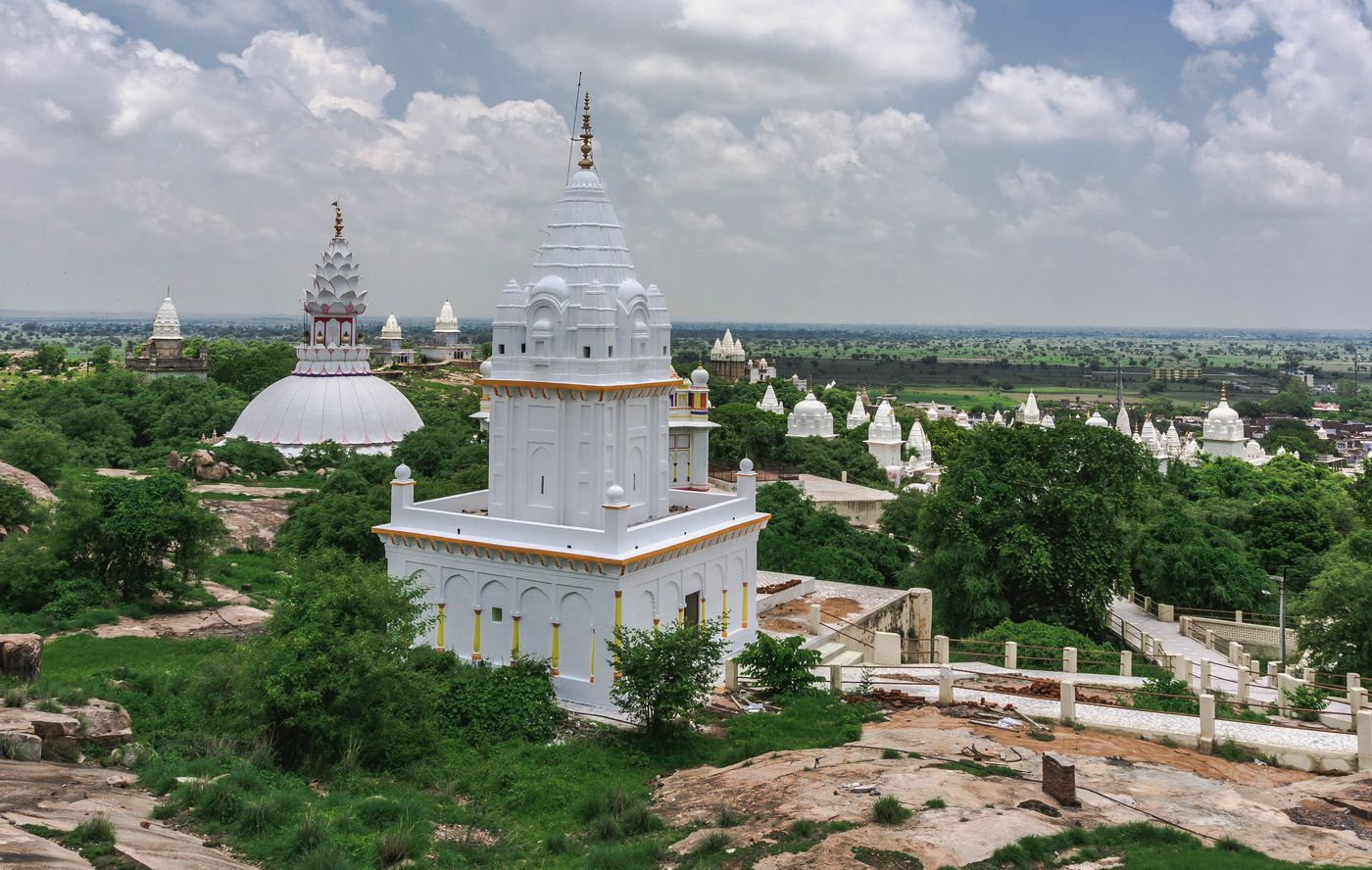
Spread across the landscape are 77 hilltop temples and 26 more in the village below, their whitewashed walls glinting like pearls in the sun. The pilgrimage path, winding gracefully uphill through these shrines, invites both pilgrims and travelers to climb its 300 sun-warmed steps — always barefoot, as a mark of devotion and humility.
At the summit, a hush falls over the mount. The wind carries the faint sound of temple bells, and the world below seems far away — a reminder that Sonagiri is not just a place of worship, but a realm of peace, purity, and spiritual ascent.
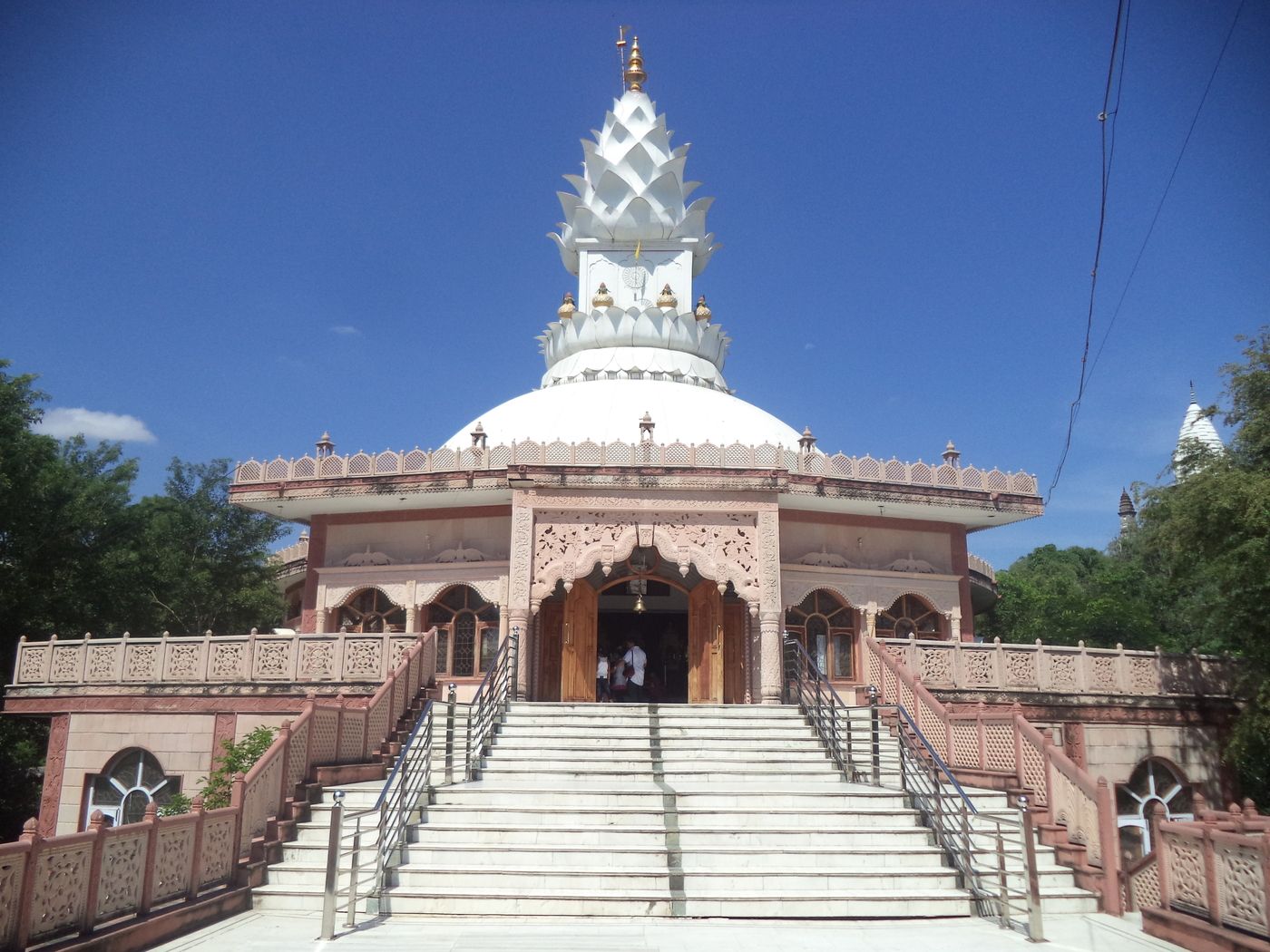
The Lotus of Light: The Lotus Temple of Sonagiri rises in serene splendor, its white façade unfolding like petals in bloom. A majestic stairway leads the faithful upward, each step a passage toward peace. © Vinay Siroliya
The Sacred Ascent of Sonagiri
Climbing the 300 steps of Sonagiri is an experience unlike any other — a journey that feels both earthly and divine. As you ascend through the rugged, sun-drenched landscape, the sudden sight of dazzling white marble temples gleaming against the stark terrain is almost surreal. The contrast between the arid hills and the radiant sanctuaries is breathtaking — a vision that seems to rise straight out of silence and stone.
At the entrance, two modern elephant statues stand guard, their trunks lifted high in a gesture of welcome, as if blessing every pilgrim who passes. Along the path, peacocks wander gracefully among the thorny shrubs, their vibrant feathers shimmering in the sunlight — unbothered by the devotees and travelers who share their sacred space. A word to the wise: no food is allowed within the complex, so begin your spiritual climb well-nourished!
Among Sonagiri’s many shrines, the Eighth Temple holds special reverence. Dedicated to Chandraprabha, the Eighth Tirthankara, it is considered the most elegant and spiritually significant of them all. Within its serene chamber stands a ten-foot-tall idol, carved from lustrous black stone, radiating calm and divinity. Believed to date back nearly two millennia — to the 5th or 6th century CE — this ancient image continues to inspire awe and devotion.
As the sunlight glances off the marble domes and the air hums with quiet reverence, Sonagiri reveals itself not merely as a pilgrimage site, but as a timeless encounter between faith, beauty, and inner stillness.
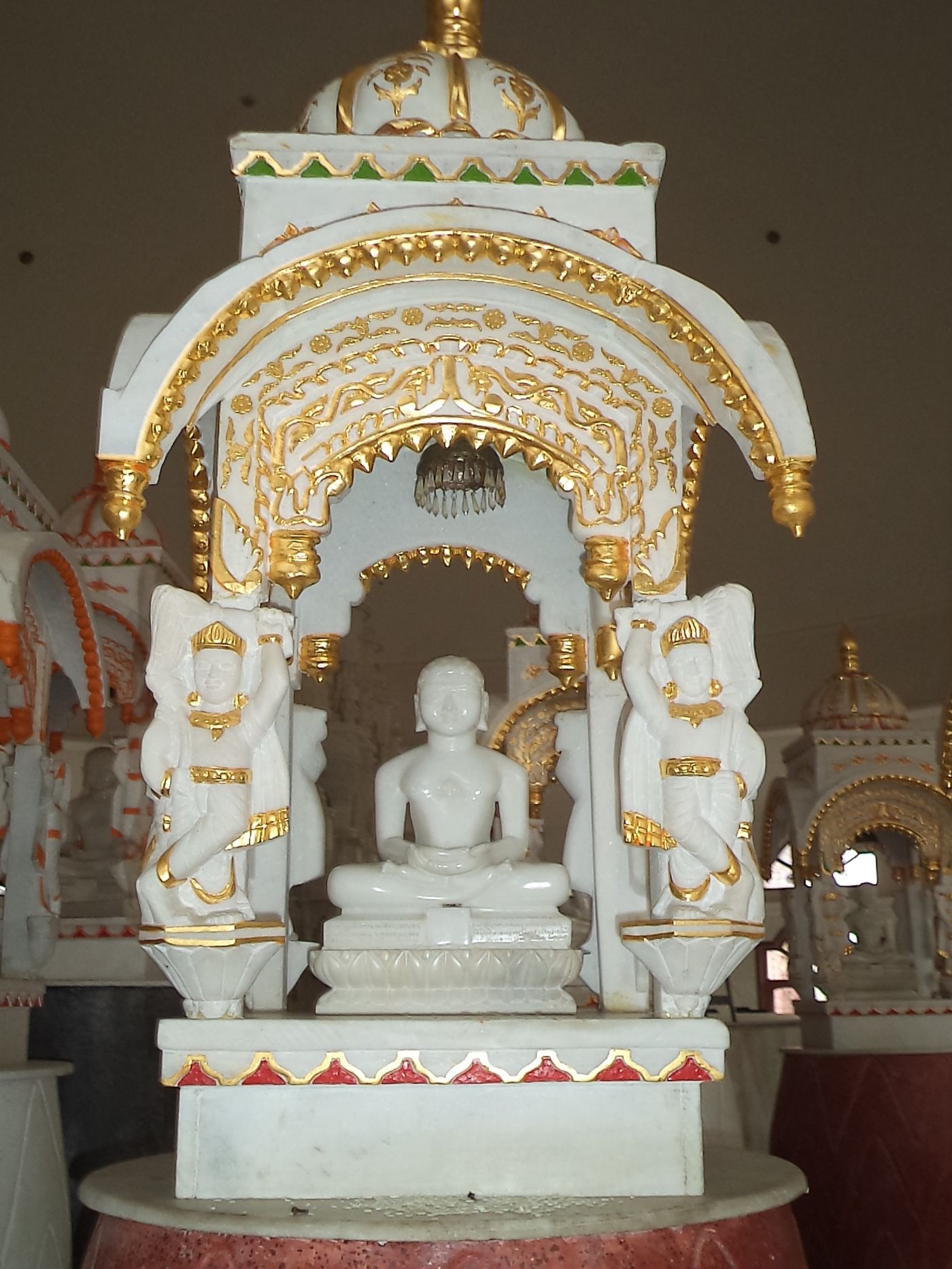
The Enlightened One: Bathed in soft light, the white and gold marble idol of Lord Mahaveer Swami, the 24th Tirthankara, radiates calm and compassion — a timeless symbol of Jainism’s message of purity and renunciation. © Vinay Siroliya
Sonagiri – A Medley of Architectural Styles
As you wander through the hills of Sonagiri, each step feels like a walk through centuries of devotion and design. Though every temple gleams in pristine white under the sun, a closer look reveals a fascinating diversity of styles — each shrine a distinct expression of faith and artistry. Some date back to the 14th century, their stones whispering tales of antiquity, while others are more recent additions, blending modern craftsmanship with timeless grace.
Renowned architect Takeo Kamiya noted this striking variety, observing how several temples bear Islamic architectural influences, with domed roofs and arched facades — and intriguingly, one structure even resembles a Russian church, with its bulbous spire rising unexpectedly among the Jain shrines. Together, they form a harmonious mosaic of cultures, all united by devotion and purity.
At the summit, the reward is sublime — a panoramic sweep of white spires gleaming against the endless sky. Bright saffron flags flutter in the breeze, their color a vivid counterpoint to the calm marble below. The sight is spellbinding, a moment that lingers long after one has descended the sacred hill.
Every April, Sonagiri comes alive during the annual Jain festival, when thousands of pilgrims gather in this serene sanctuary. The air fills with chants, the fragrance of incense, and the spirit of peace — transforming the hill of white temples into a living celebration of faith, harmony, and transcendence.
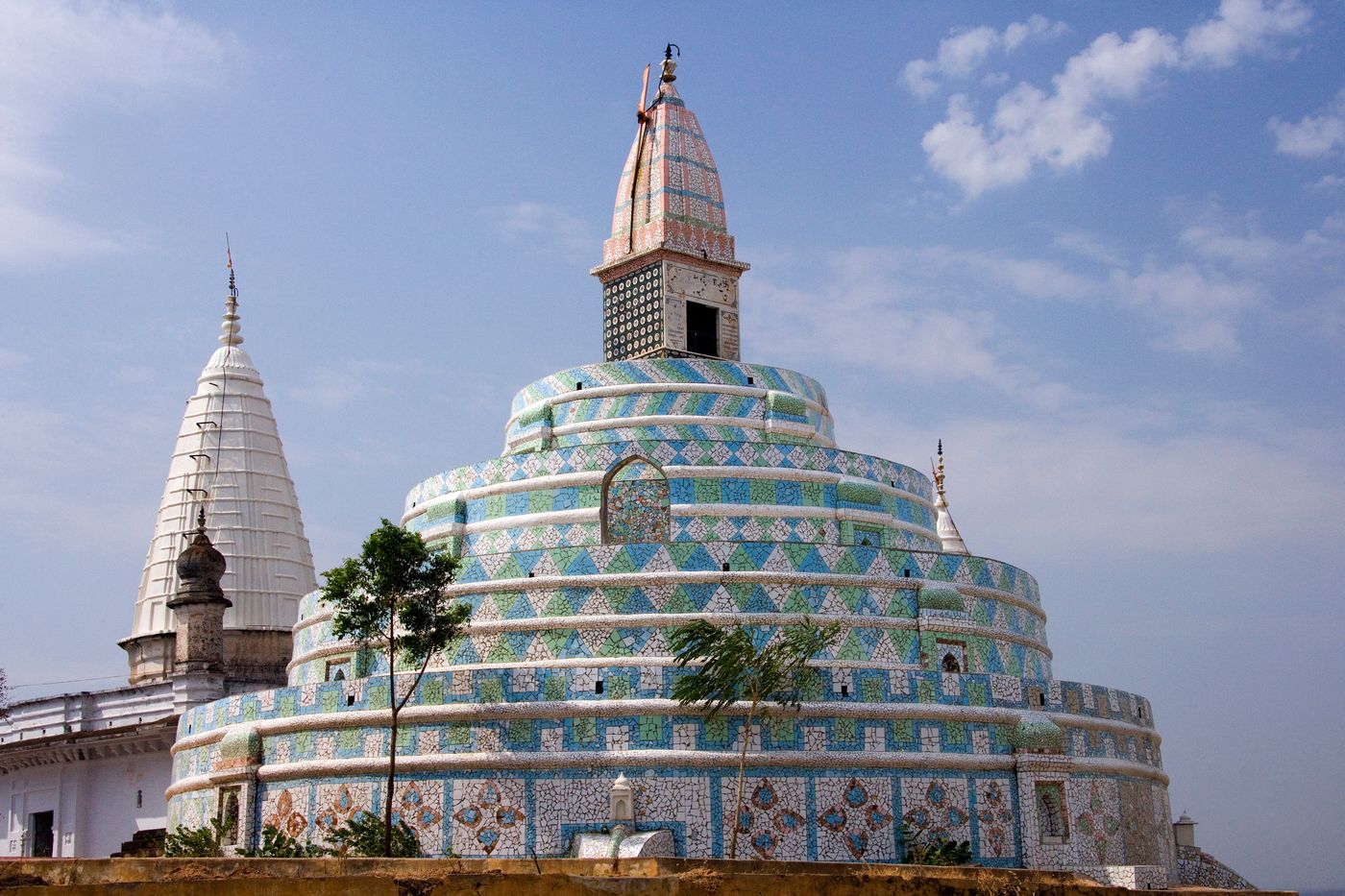
The Hill of Seventy-Seven Temples: Nestled in the hills near Gwalior, the Jain temples of Sonagiri, some dating back to the 9th and 10th centuries, gleam like pearls scattered across the landscape — each one a silent hymn of devotion. © Steve Allen
How to Reach Sonagiri
Reaching Sonagiri, the sacred “Golden Mountain,” is itself a journey into serenity — one that winds through the timeless landscapes of Madhya Pradesh.
✈️ By Air:
The nearest airport is at Gwalior, about 37 miles (60 km) away. From there, a scenic drive through the countryside will bring you to Sonagiri’s gleaming white hilltops.
🚆 By Rail:
Travelers can catch a train from Gwalior or Jhansi to the peaceful Sonagiri Railway Station, a small stop surrounded by quiet fields. Step off the train, breathe in the calm air, and hire a rickshaw to take you right to the foot of the sacred hill, where your climb begins.
🚗 By Road:
If you prefer the open road, the drive from Orchha takes about 6.5 hours — a leisurely journey through rustic villages, farmlands, and undulating hills, ending in the ethereal sight of Sonagiri’s snow-white temples shining in the sun.
However you arrive, the moment you glimpse those ivory spires against the sky, you’ll feel it — the quiet magic that makes Sonagiri more than a destination, but a spiritual homecoming.
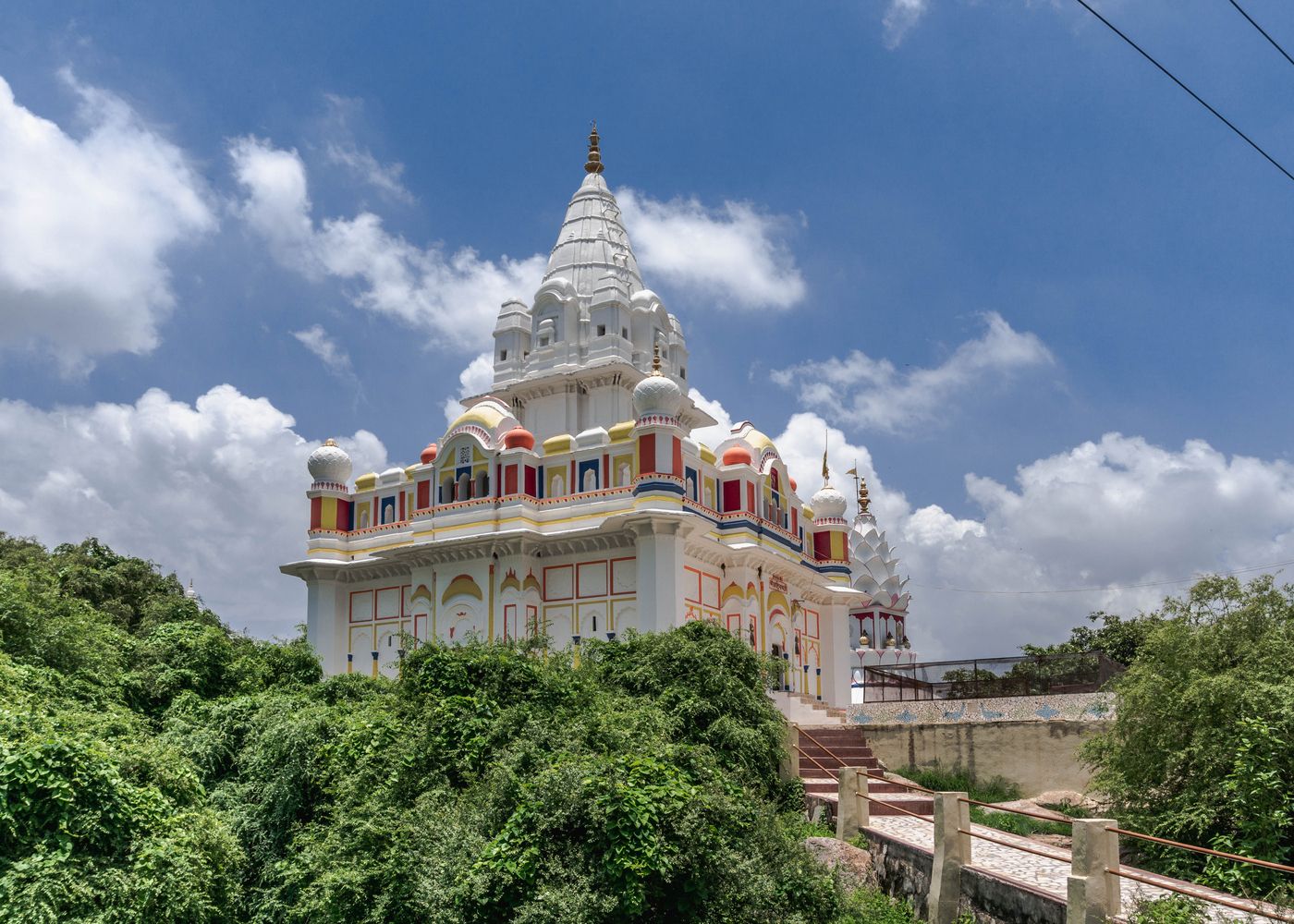
A Vision of Grace: From the side, a majestic Sonagiri temple reveals its soaring spires and delicate hanging balconies — a perfect balance of symmetry and spirit. © Romtea
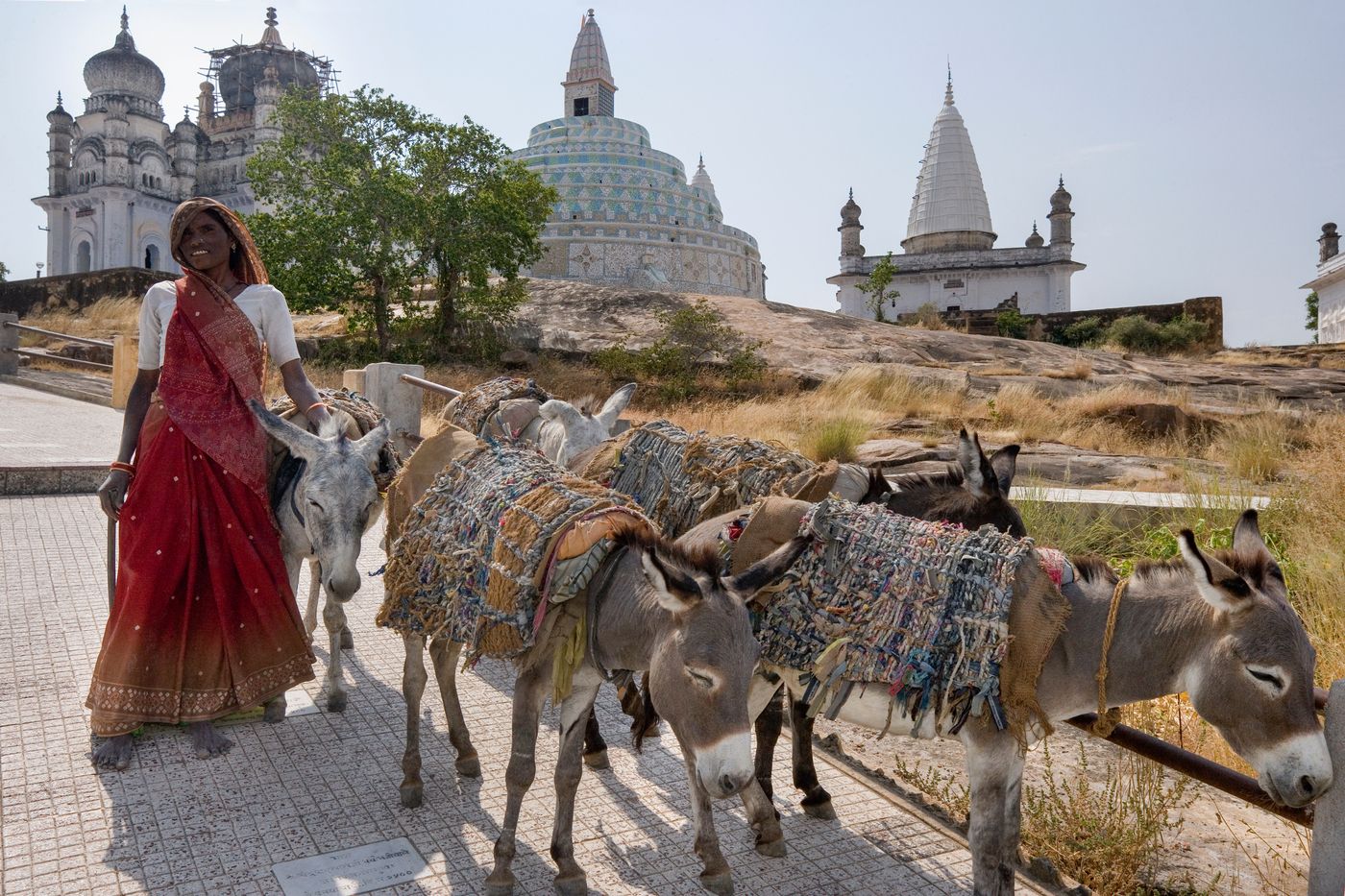
The Devotee’s Path: A village woman, draped in vibrant traditional attire, walks alongside her donkeys through the temple complex — a glimpse of life intertwined with faith and simplicity. © Steve Allen
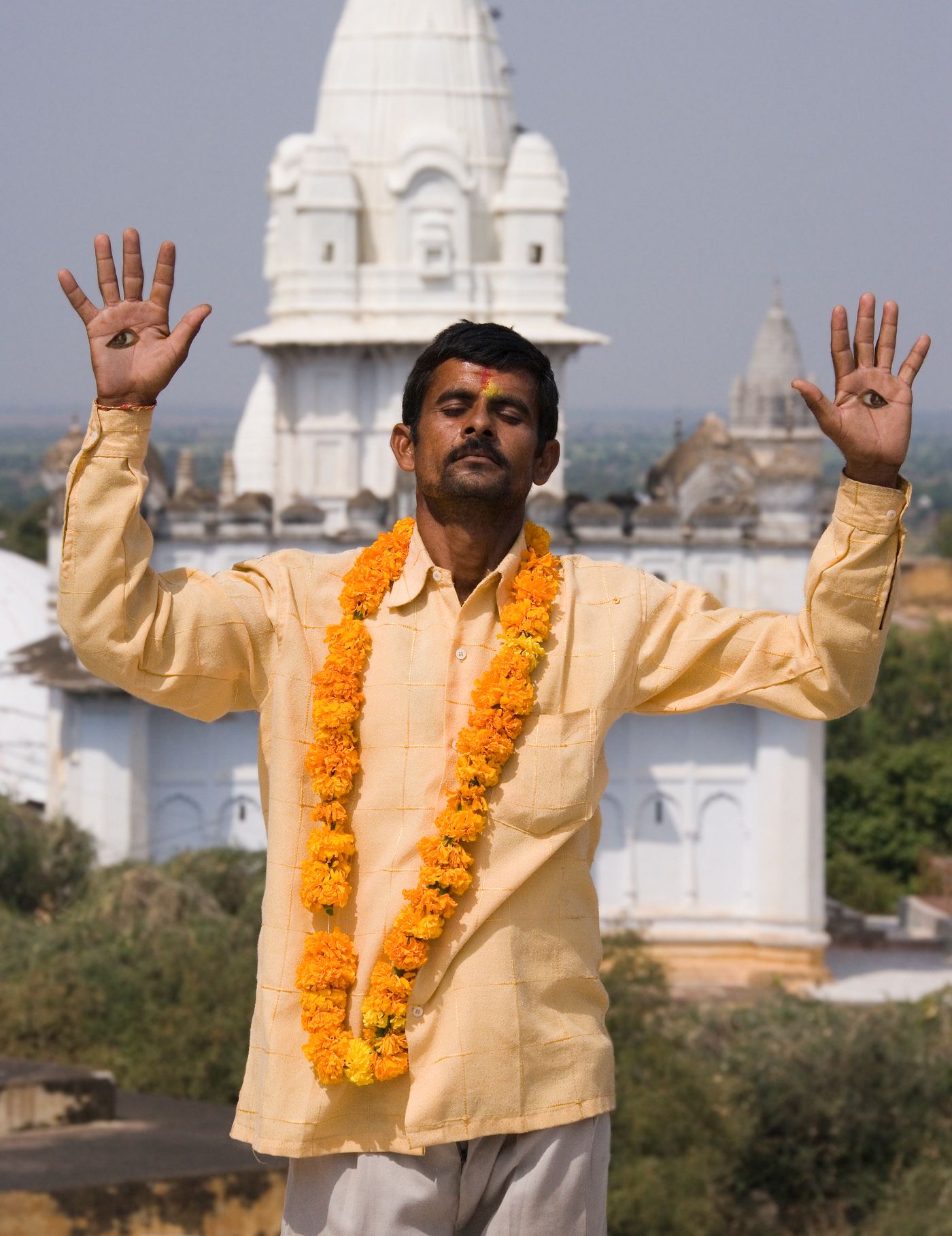
Pilgrimage of the Soul: A lone pilgrim ascends through the sacred complex of 77 Jain temples, his journey echoing the soul’s eternal climb toward liberation. © Steve Allen
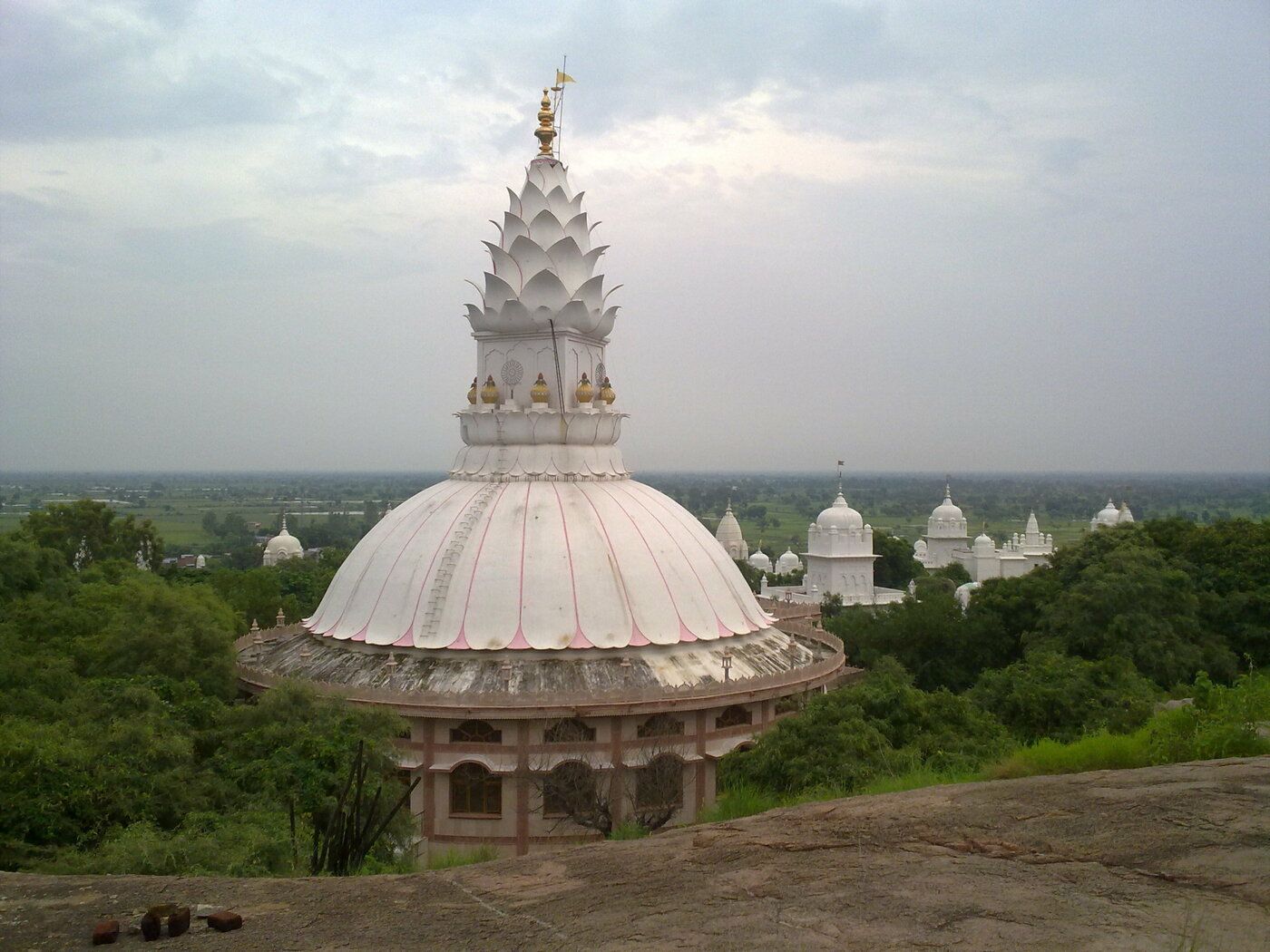
The Temple of a Thousand Petals: Shaped like a blooming lotus, this exquisitely carved Jain temple symbolizes purity and enlightenment, radiating divine beauty amid the hills of Bundelkhand. © Steve Allen
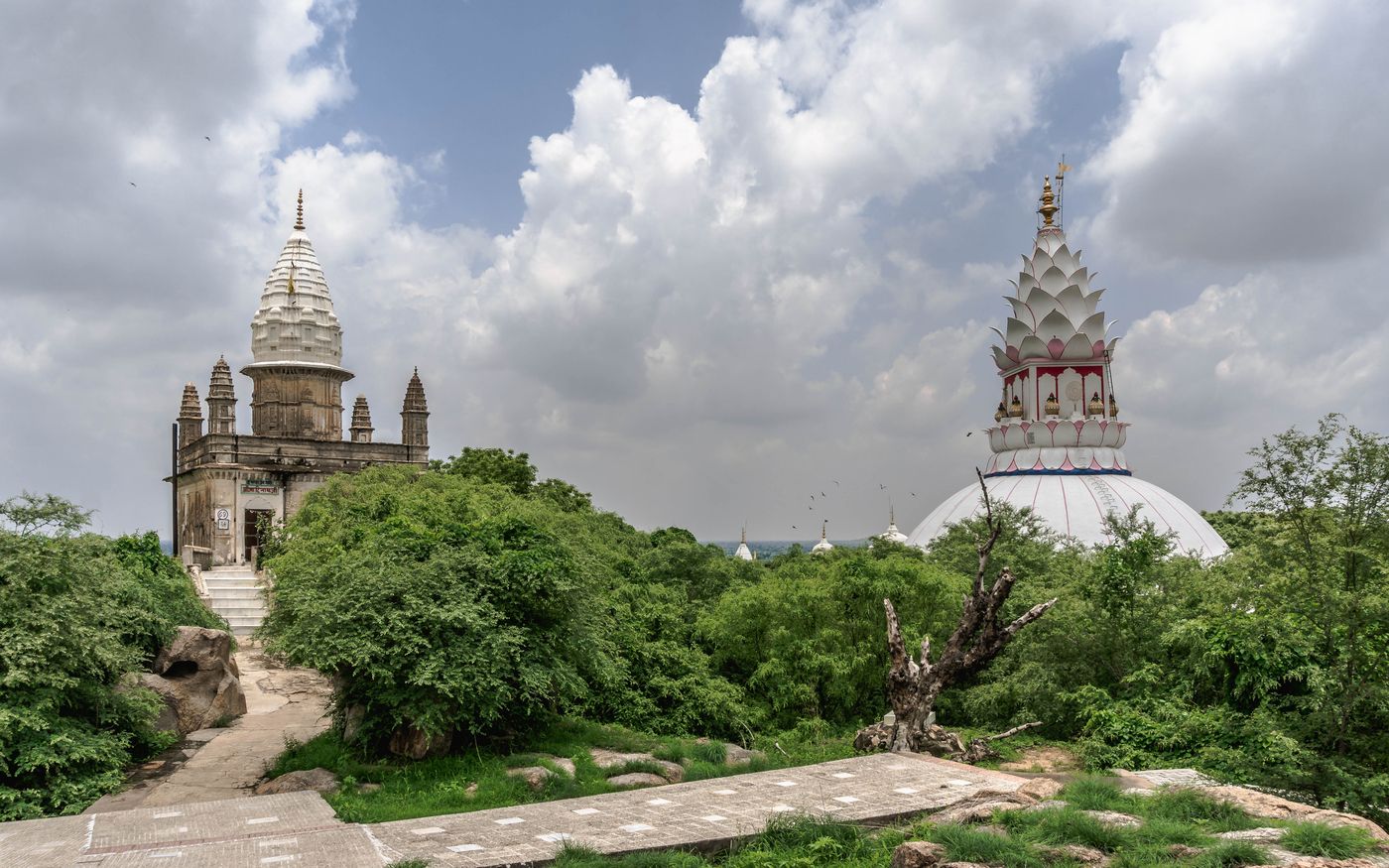
The City of Golden Peace: A panoramic view of Sonagiri’s countless ivory-white spires rising against the blue sky captures a scene of celestial grace — a sanctuary untouched by time. © Romtea

The Silent Monk: Serene and austere, a Digambara Jain monk sits in deep contemplation — a soul freed from all worldly ties, embodying the essence of detachment and peace. © Dmitry Rukhlenko
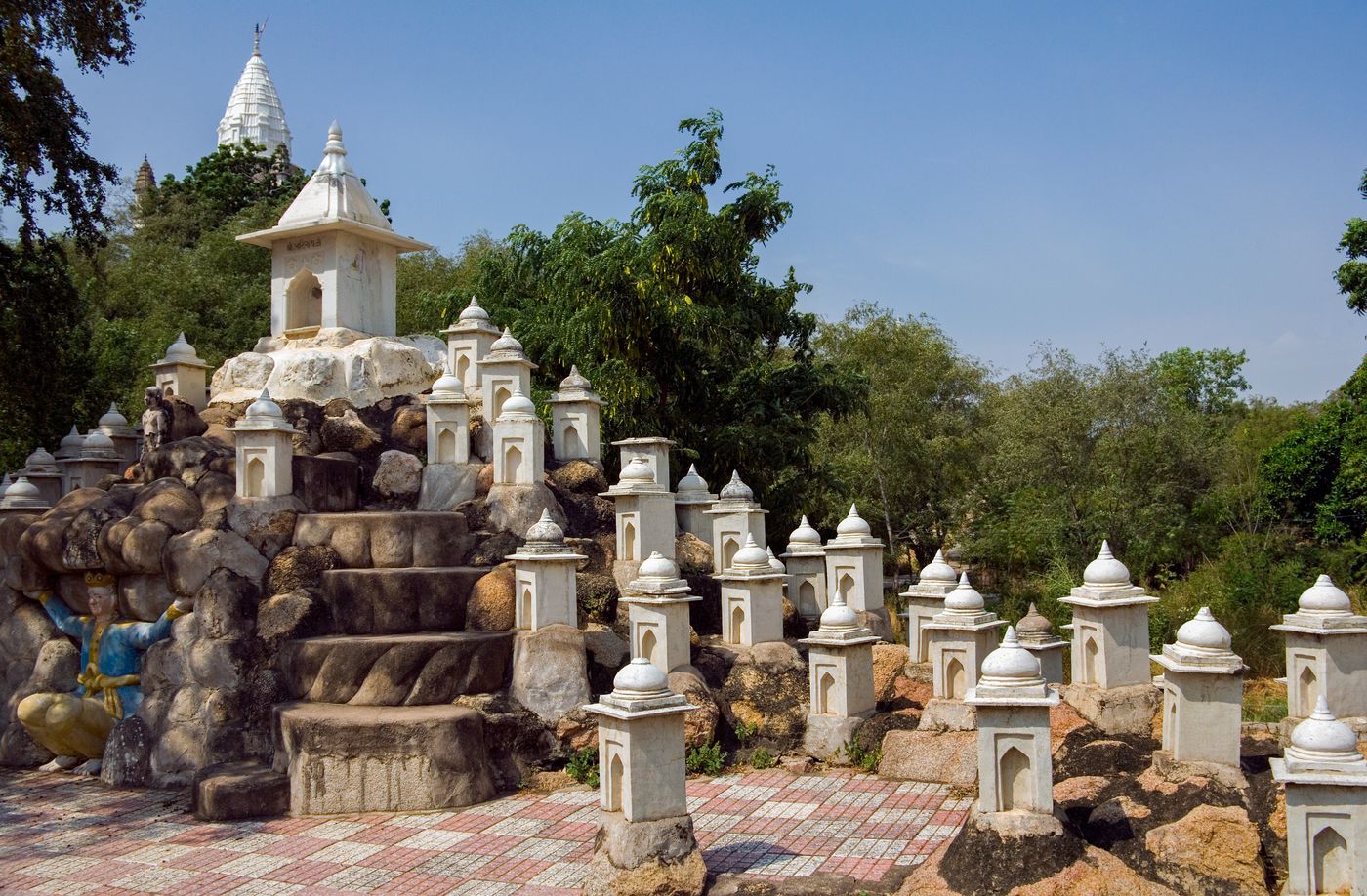
Shrines of Eternal Calm: Rows of white marble temples shimmer under the sun in Sonagiri — their purity reflecting the Jain ideal of spiritual clarity and harmony. © Steve Allen
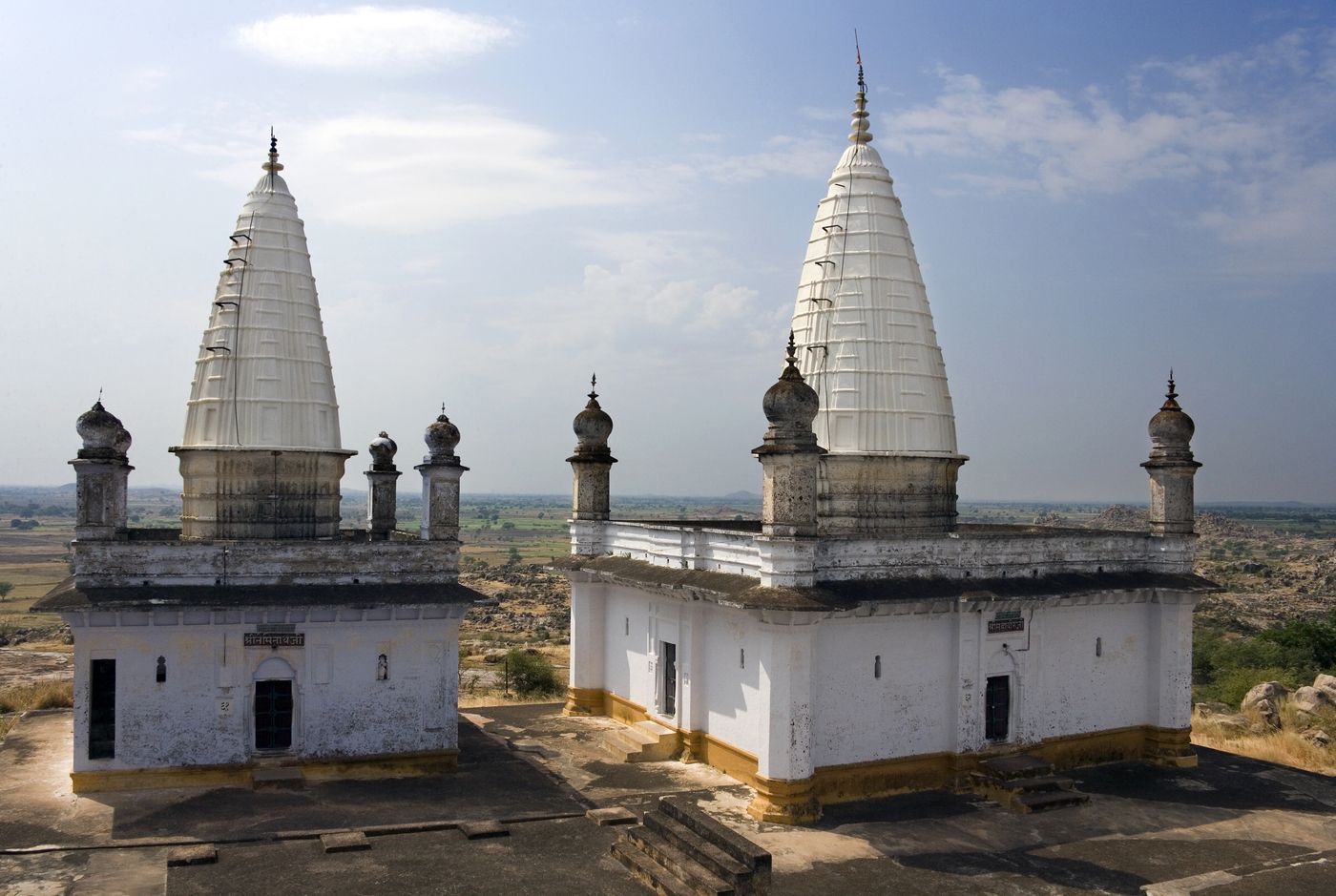
Guardians of the Village: Two towering Jain temples overlook the sleepy village below, their gleaming spires reaching skyward — guardians of faith watching over the valley. © Steve Allen








![Golden Triangle Tour with Goa [Culture + Beach Vacation] (12 days)](https://www.vacationindia.com/wp-content/uploads/2022/06/golden-triangle-tour-with-beach-vacation-270x160.jpg "Golden Triangle Tour with Goa [Culture + Beach Vacation] (12 days)")