

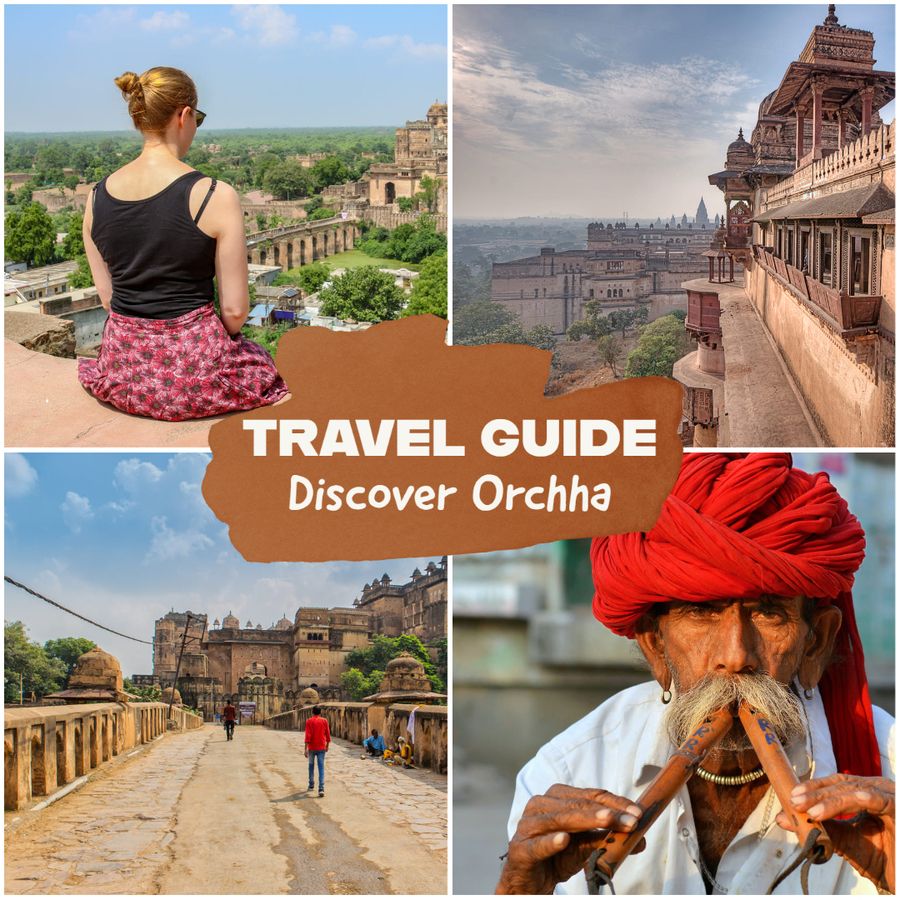
Essential Travel Guide to Orchha
Orchha – Where Ancient Monuments Whisper
Orchha – An Impenetrable Bastion
Orchha’s Mythical Betwa River
Orchha’s Ancient History
Legends Behind the Bundela Name
The Rulers Who Determined Orchha’s Destiny
The Legacy of Bir Singh Deo
The Dramatic Tale Behind Bir Singh Deo’s Rise
Orchha – Noble State of Old
Explore Orchha: What Not to Miss
Pictures of Orchha to Lure and Seduce You
How to Reach Orchha
Where to Stay in Orchha
Orchha – Where Ancient Monuments Whisper
Step into Orchha, and it feels as though time has paused just long enough for the past to speak. Many of its temples and palaces—despite being centuries old—still stand in remarkable condition. Most were built during the 1700s and 1800s, under the patronage of the Bundela Rajputs, whose rulers poured their vision, artistry, and devotion into this once-thriving kingdom.
The story begins with Rudra Pratap, the Bundela king who founded Orchha in 1531. Enchanted by the serene curve of the River Betwa, he chose this very spot to become his capital. Successive rulers and emperors continued to embellish it, transforming the land into a jewel box of architecture—forts, cenotaphs, palace complexes, and soaring temples rising gracefully against the horizon.
Located in Madhya Pradesh, just ten miles from Jhansi in Uttar Pradesh, Orchha comes wrapped in legends. Locals tell a charming tale about the name “Jhansi,” saying it came from the words jhain-si—“shadow-like”—a description once given by a king who glimpsed the distant city as a faint silhouette on the landscape.
Today, Orchha rests quietly among shrubs and low brush, but three hundred years ago it was embraced by a dense jungle. This lush wilderness acted as a natural fortress, shielding the kingdom from Mughal invasions. Unlike the typical Rajput capitals perched on high hills, Orchha sits low in a river bend—its strength drawn not from elevation, but from the thick forests that once guarded it like loyal sentinels.
Here, every monument has a voice. Every stone has memory. And every pathway invites you deeper into a world where the echoes of Orchha’s royal past still linger in the warm, whispering air.
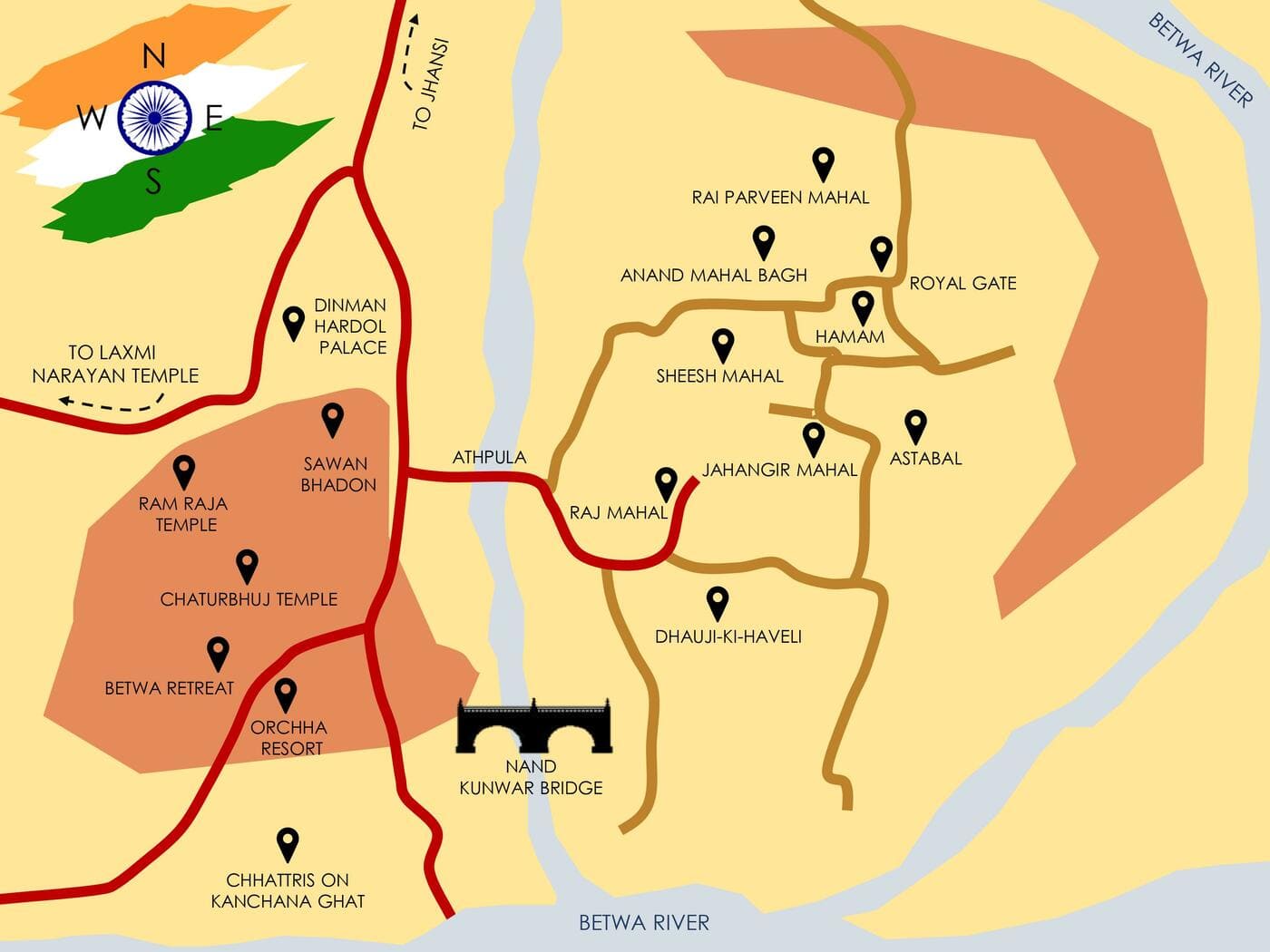
A detailed map of Orchha showcasing the layout of its majestic monuments and temples—your perfect guide to navigating this historic town.
Orchha draws countless visitors who come to admire its breathtaking monuments, each one a testament to the town’s royal past. Among the many architectural marvels, the masterpieces built by Bir Singh Deo stand out as the finest. Yet Orchha is only the beginning—nearby destinations like Gwalior (74 miles away), Shivpuri, Khajuraho, and Chanderi offer even more layers of history to explore.
Reaching Orchha from Jhansi takes just 45 minutes by road, a charming journey that weaves past lively rural villages and expansive fields of green, giving visitors a taste of the region’s vibrant countryside.
Your entry into Orchha is through an ancient royal gate, a dramatic archway that immediately sets the tone for the wonders ahead. A short distance beyond, a multi-arched bridge leads you toward a vast quadrangular courtyard encircled by majestic palaces built for the Bundela kings. These include the Raja Mandir, the grand Sheesh Mahal, and the impressive Jahangir Palace—each structure steeped in legends of power, devotion, and royal life.
The fort complex is a kingdom of its own, packed with historical treasures: the towering Chaturbhuj Temple, the sacred Ram Raja Temple, the palaces of Jhujjar Singh and Dinman Hardol, and temple gems like Sawan Bhadon, Lakshminarayan, and Palki Mahal.
Nearby lies Phool Bagh, an elegant Mughal-style garden planned with symmetry, flowing water channels, and cooling fountains. Beneath the garden sits a hidden chamber once used by the royals as a summer retreat—an ingenious escape from the scorching heat. The garden leads to an airy pavilion supported by eight pillars, perfect for quiet reflection.
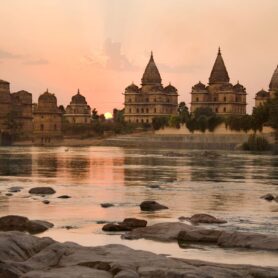
Along the banks of the River Betwa, the scene becomes even more magical. Here stand the imposing chhatris, the cenotaphs of past rulers, their domes silhouetted against the sky and their reflections shimmering in the gentle river below. These monuments—silent, solemn, and majestic—complete the stunning portrait of Orchha, a town where history breathes in every stone.
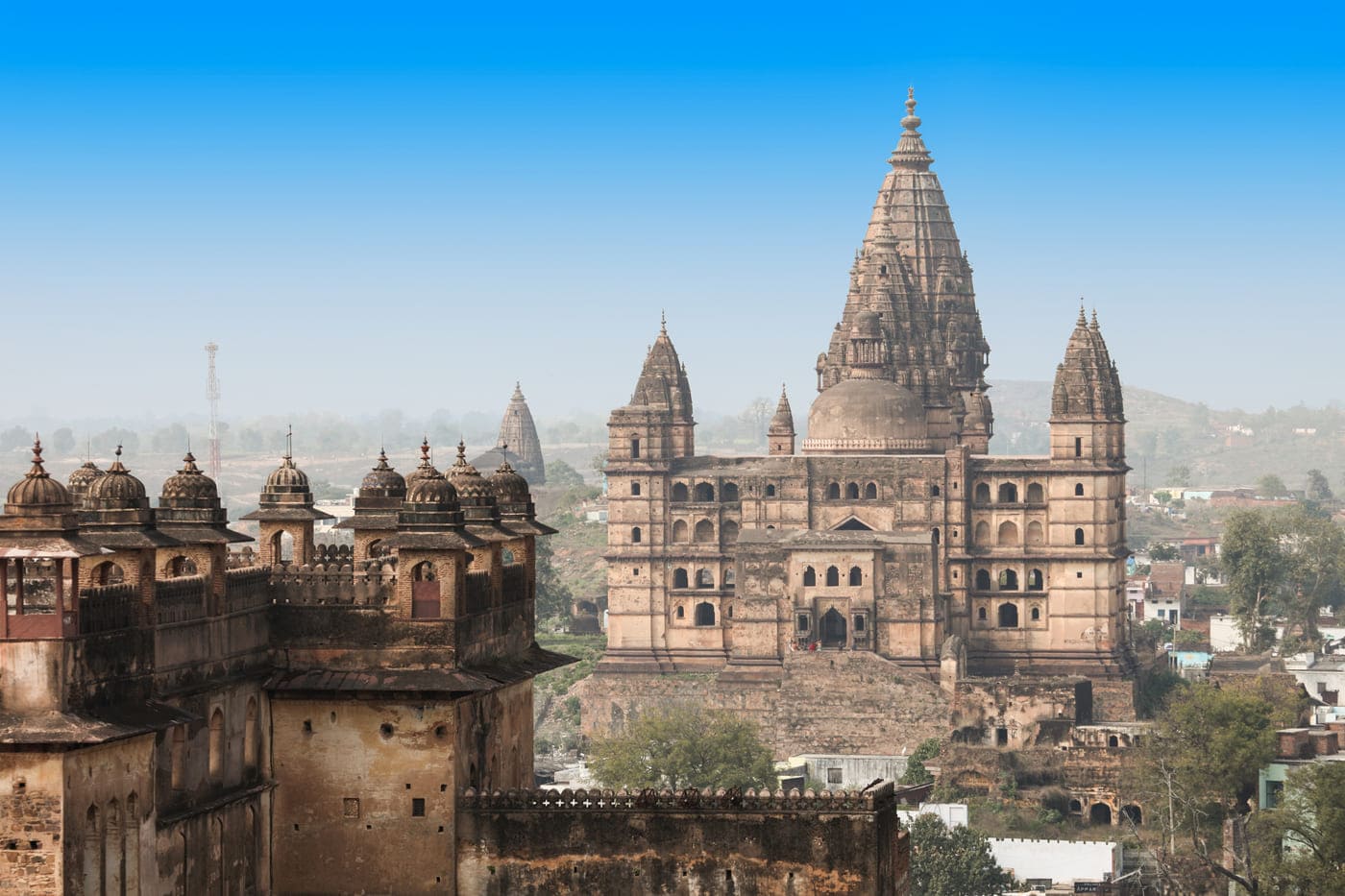
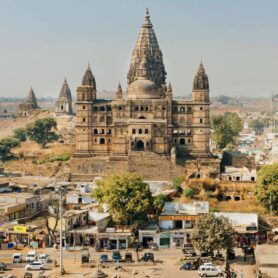
The soaring steeples of Chaturbhuj Temple rise dramatically when viewed from Jahangir Mahal, creating a stunning contrast between Rajput and temple architecture. © saiko3p
Orchha is a place where two worlds blend effortlessly. On one side, you’ll find the rhythms of peaceful rural life—goats and cows ambling through narrow lanes, villagers moving unhurriedly through their daily routines. On the other, the vibrant energy of travelers rushing from one magnificent palace to the next fills the air with excitement.
Here, history and everyday life exist side by side. Local residents live quietly in the shadows of towering temples, palaces, and cenotaphs—monuments so well preserved that they seem untouched by time. Remarkably, all these wonders lie within just a one-mile radius, making Orchha a compact treasure chest of heritage.
Meanwhile, the River Betwa flows gently around the town, its waters carrying centuries of stories. As it winds past the ancient stones and modern life, the river remains a silent witness to everything Orchha has been—and everything it continues to be.
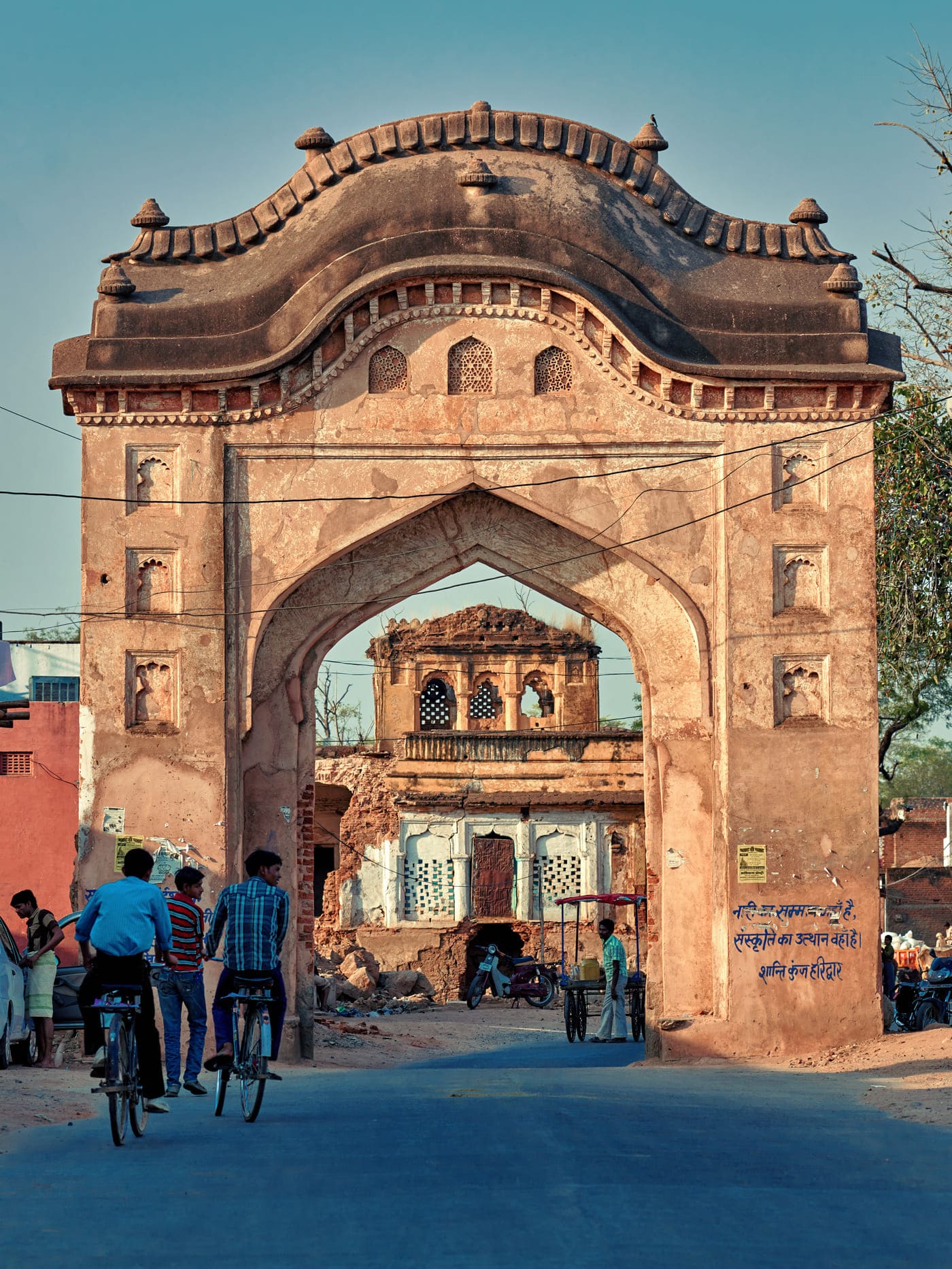
Visitors enter Orchha through the imposing Ganesh Dwar (Shahi Darwaza). Once known as Osseen, the town reveals its royal past beautifully when seen from the serene Betwa River. © Vasily Gureev
Orchha – An Impenetrable Bastion
Orchha’s very name is wrapped in legend. Some believe it means “hidden”, perfectly capturing the mysterious nature of this land, long concealed by forests and river bends. Others trace the name to a Rajput commander who exclaimed “onche!”—“it is low-lying or far enough”—when he first gazed upon the terrain.
Either way, the name hints at Orchha’s character: secluded, protective, and almost mythical.
Historical records, including Volume XII of the Imperial Gazette, reveal just how formidable Orchha once was. Even the mighty Mughals, with all their military strength, hesitated to attack. They were thwarted not by walls or fortresses alone, but by the natural defenses that ringed the town—the dense jungles, the winding Betwa River, and the rugged hills that guarded it like loyal sentinels.
The famed Sanskrit scholar and Orchha court poet, Keshavdas Mishra, described the land with poetic brilliance. He wrote that Orchha was encircled by the Tumgaranya forest for thirty kos, comparing its thickness to Lord Shiva’s matted hair. Beyond this deep forest lay an even wilder expanse—from Tumbavana to Madhuvan and Chanderi, stretching across the River Madhumati to today’s Datia.
In those days, Orchha wasn’t just a kingdom—it was a fortress crafted by nature itself. Thick forests tangled like mythological locks, rivers cut deep around the land, and mountains formed an uneven shield. Together, they made Orchha an impenetrable bastion, a place where history hid safely from invading armies and the outside world.
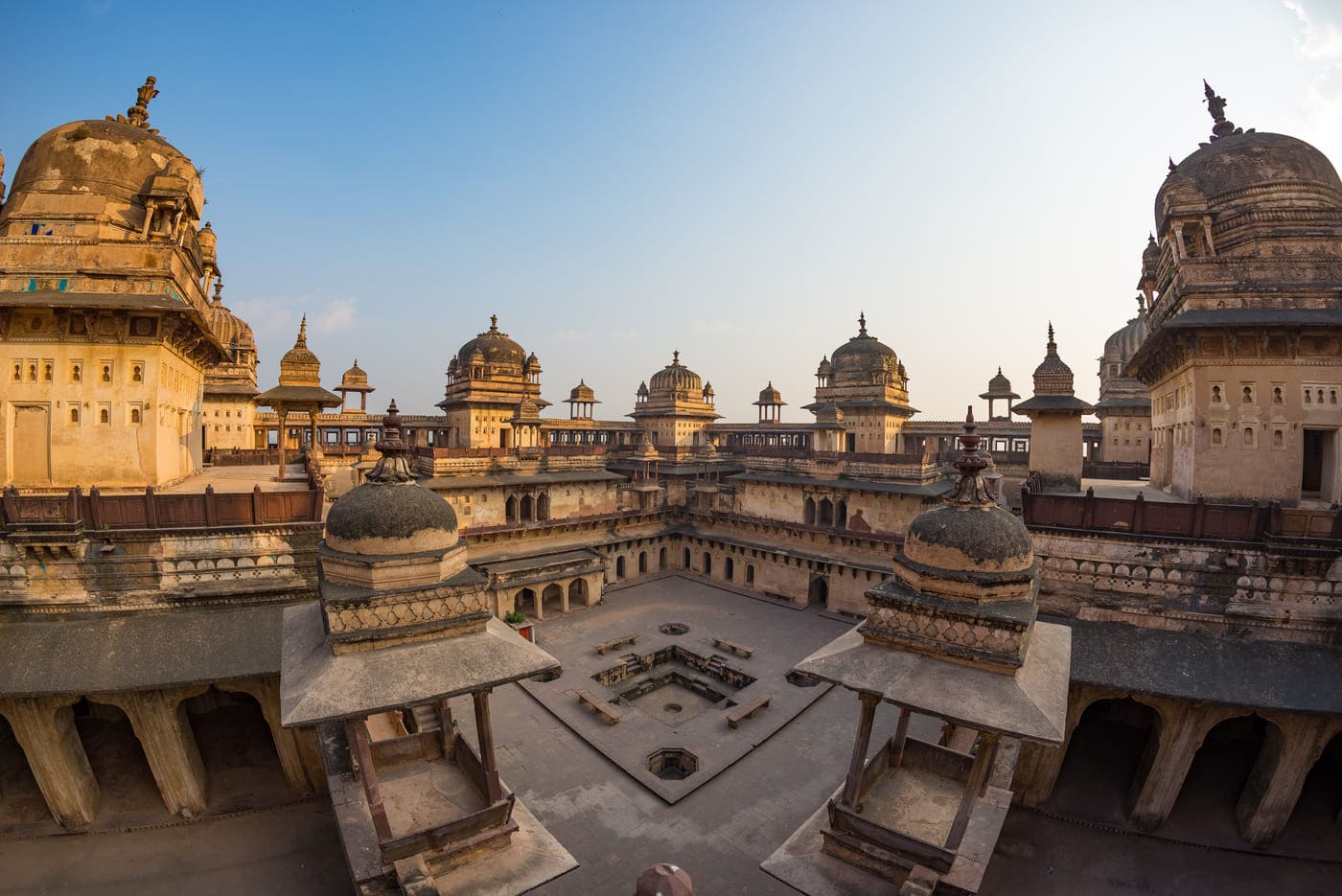
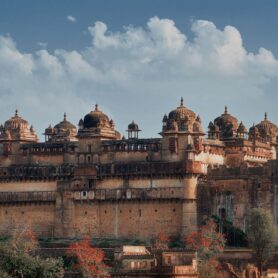
The magnificent Jahangir Mahal stands adorned with intricate stone carvings, graceful domes, and turrets overlooking its vast central courtyard. © Fabio Lamanna
Orchha’s Mythical Betwa River
Long before it was known as the Betwa, this river was called Vetravati, a name some believe comes from its source—the village of Vaiton near Bhopal in the Raisen district. From this humble beginning, the river winds its way through Madhya Pradesh, drifting past the serene town of Orchha, before finally merging with the Yamuna River at Hamirpur in Uttar Pradesh.
For centuries, poets and saints have celebrated the Betwa’s beauty, but none more beautifully than Orchha’s own court poet, Keshavdas. In one of his dohas—a delicate rhyming couplet—he draws a vivid comparison between the Betwa and the mythical Sarayu River. He writes that just as the Sarayu’s sacred arms flow together, so too do the seven branches of the Betwa unite at Orchha.
He takes the imagery further, likening these seven converging streams to the nine palaces of Bir Singh Deo’s sons, all gathering around the Ram Raja Temple, set like a jewel in the center of their blooming palace gardens.
Through his words, the Betwa becomes more than a river—it becomes a symbol of unity, devotion, and the poetic soul of Orchha itself.
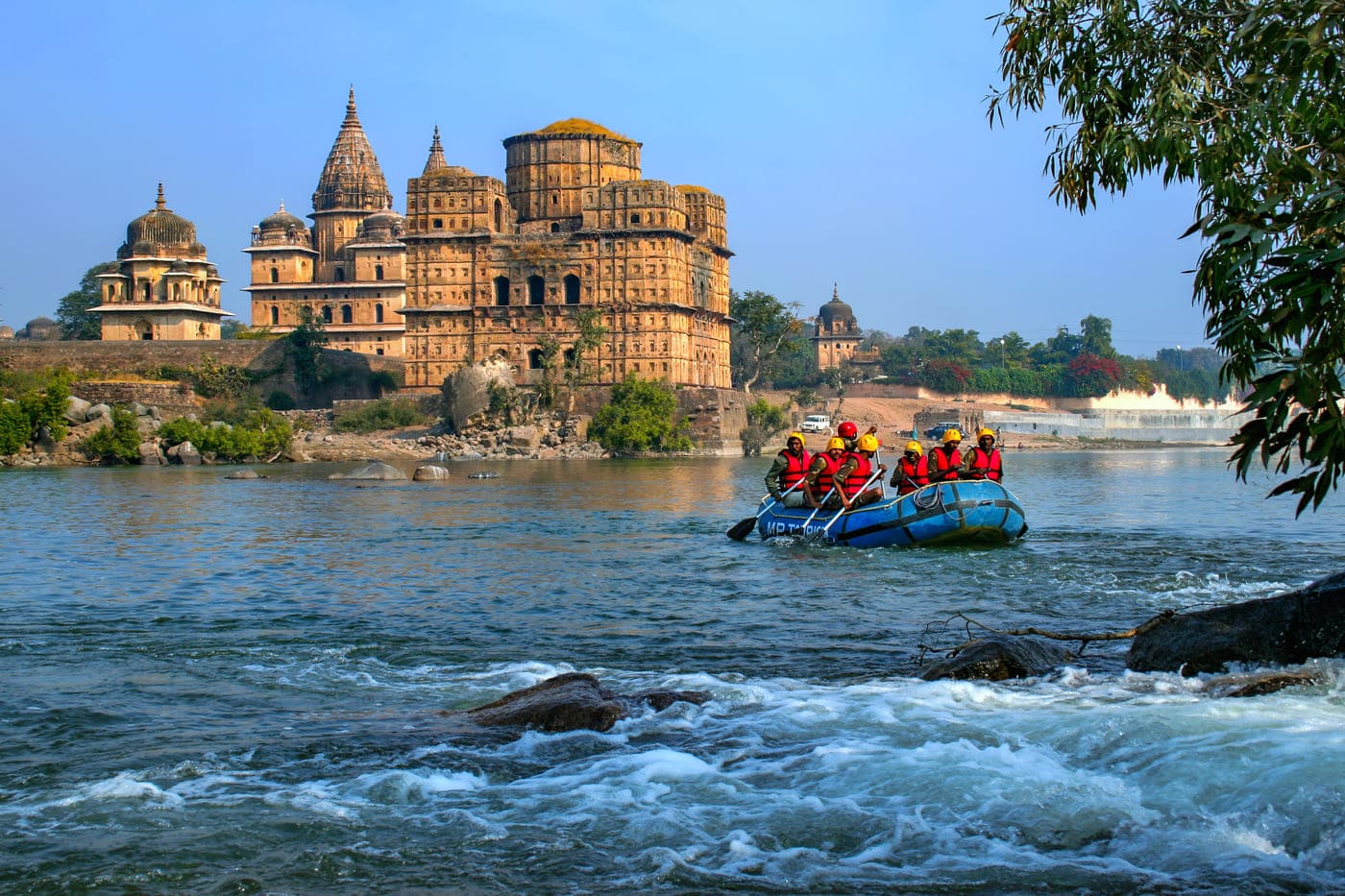
Tourists enjoy thrilling water rafting on the Betwa River, taking in Orchha’s ancient temples and palaces from a refreshing new perspective. © ImagesofIndia
The Betwa is more than a scenic river flowing past Orchha—it is a river with deep roots in antiquity. Ancient texts speak of it with reverence. In the Mahabharata, it appears under the name Shuktimati, the mighty river along whose banks stood the capital of the Chedi Kingdom. Such references reveal how central the Betwa has been to India’s cultural and historical landscape.
In modern times, the river continues to play an important role. Discussions have resurfaced about linking the Betwa with the Ken River as part of an ambitious inter-river connectivity project—an idea that could reshape the region’s water management.
Along its course, the Betwa is held by four major dams:
• Matatila at Lalitpur
• Rajghat
• Parichha
• Dhurwara
Each dam contributes to irrigation, power generation, and the livelihoods of thousands.
A notable moment in the river’s recent history came in 1931, when the bridge across the Betwa at Orchha was officially inaugurated by Raja Bir Singh Deo II. This structure not only improved connectivity but also became an enduring landmark, witnessing the same tranquil waters that once carried echoes of ancient kingdoms.
The Betwa, with its timeless presence, remains a river where mythology, history, and modern life flow together in a single graceful journey.
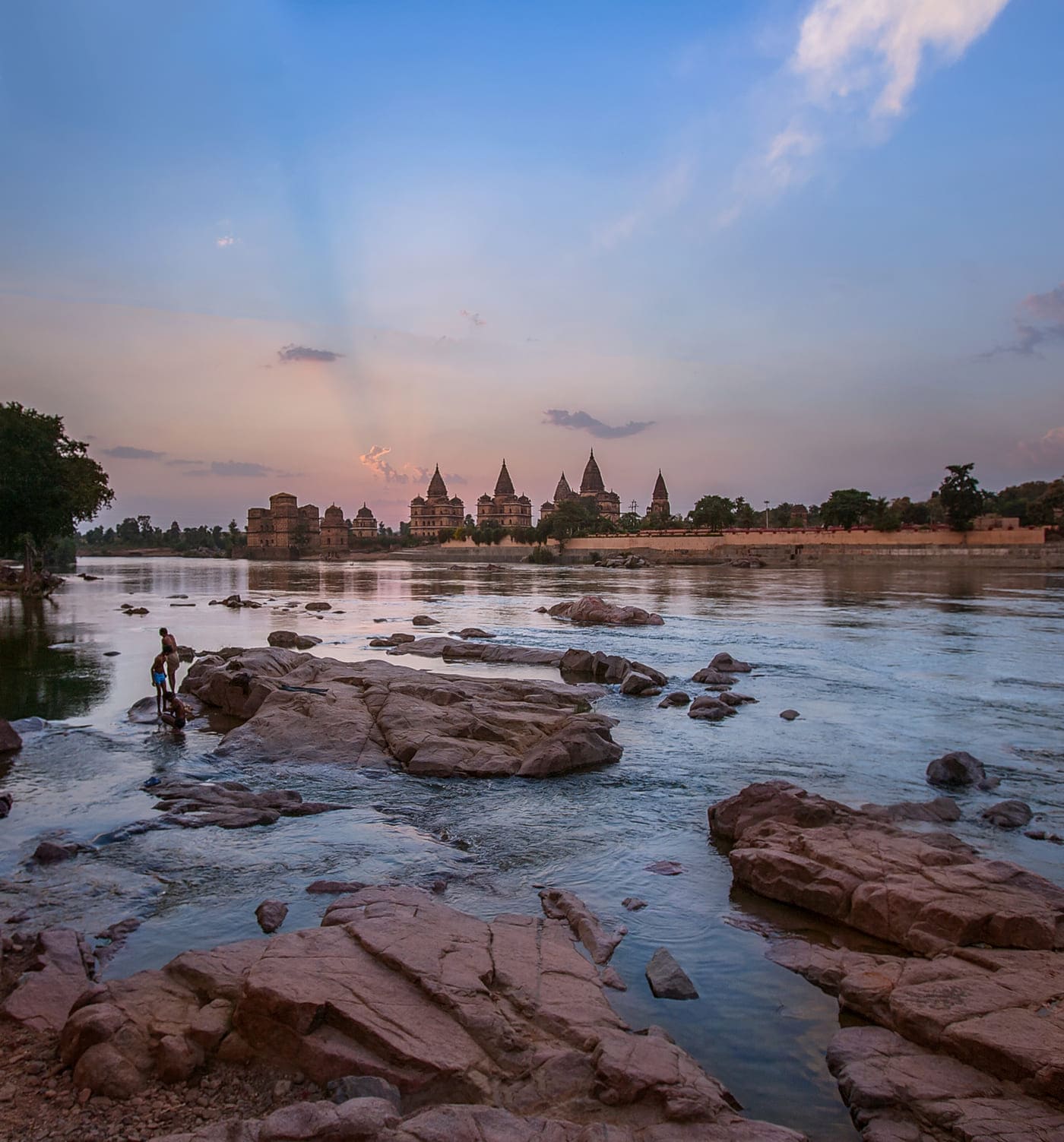
A mesmerizing sunrise over the Bundela kings’ chhatris, their silhouettes glowing beside the gently flowing Betwa River. © Steve Allen
Orchha’s Ancient History
Raja Rudra Pratap saw something extraordinary in Orchha—a natural stronghold wrapped in forests and protected by the Betwa River. In 1531, he chose this quiet bend in the river to establish his new capital, and for more than 250 years (1531–1783), Orchha stood as the proud heart of Bundelkhand.
At its height, Bundelkhand was vast. It included regions such as Jhansi, Khajuraho, Datia, Sagar, Lalitpur, Orai, Damoh, Banda, Mahoba, Chhatarpur, and Narsinghpur. Orchha’s political and cultural influence spread far beyond its borders, shaping the arts, architecture, and traditions of places as distant as Jabalpur, Gwalior, and Bhopal.
The importance of this region stretches deep into ancient history. The renowned 7th-century Chinese pilgrim Hiuen Tsiang traveled through this land and wrote vivid descriptions of Bundelkhand. He referred to it as Jejakabhukti, the name it held from the 10th to the 16th centuries during the long reign of the Chandela Dynasty, known for creating wonders like the temples of Khajuraho.
From the Chandelas to the Bundelas, from Jejakabhukti to Orchha, this land has always been a seat of power, culture, and myth—its stories etched into stone and carried gently by the Betwa through the centuries.
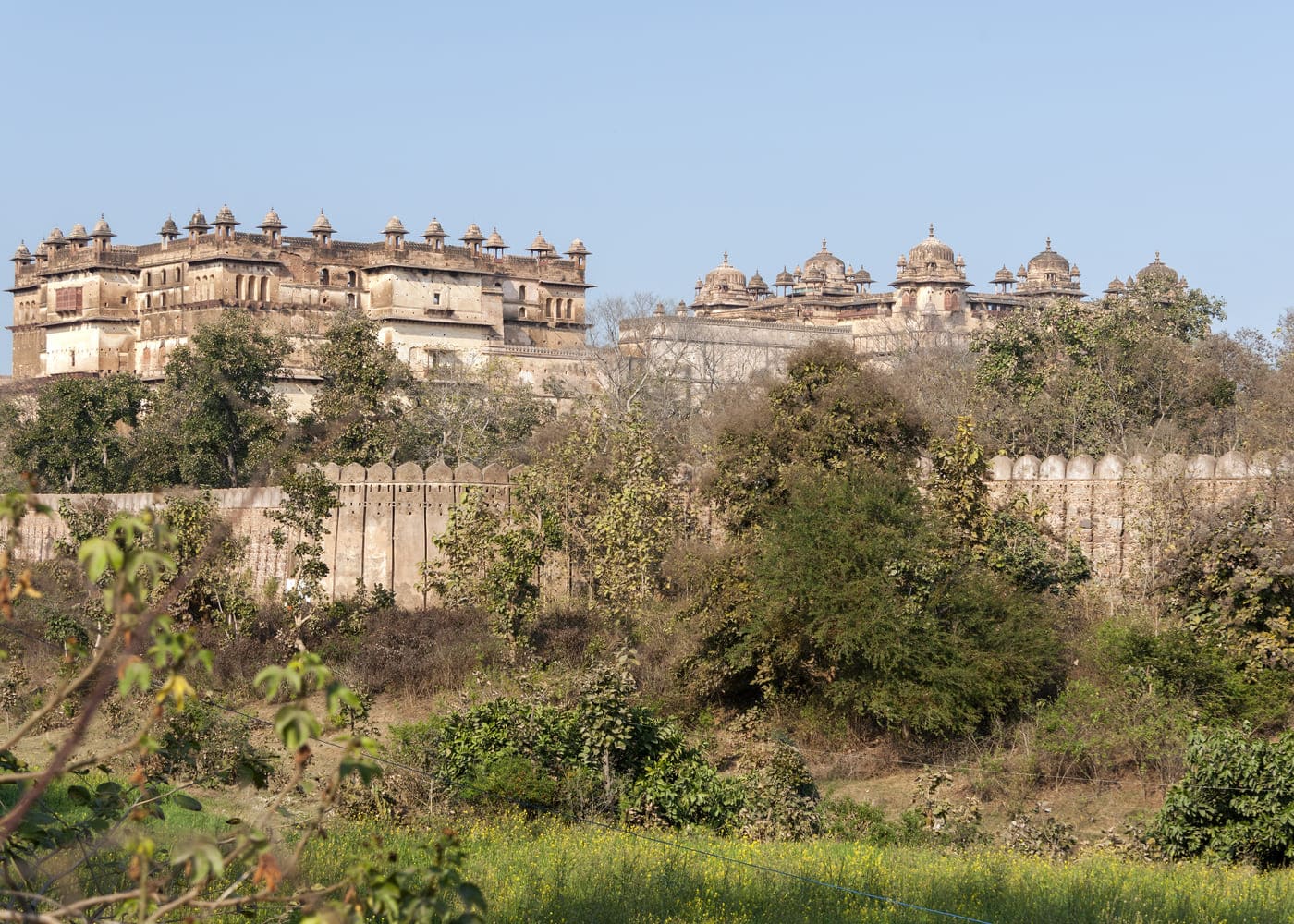
A majestic side view of Raja Mahal and Jahangir Palace, both masterpieces of Bundela Rajput architecture within the Orchha Fort Complex. © Claudine Van Massenhove
Legends Behind the Bundela Name
The origins of the Bundela name are wrapped in mystery, myth, and blood-stirring legend—exactly the kind you’d expect from one of the fiercest Rajput warrior clans of their time.
One tale begins with Hemkaran, a Gaharwar ruler of Benaras who was cast out by his own brothers. Seeking strength and divine favor, he undertook a powerful ritual dedicated to the goddess Vindhyavasini. His offering? Five human heads. Pleased by his devotion, the goddess granted him the title Pancham Vindhyela—pancham meaning “the fifth” and vindhyela meaning “knowledge.” Over the centuries, storytellers say that Vindhyela gradually evolved into Bundela.
Another version of the legend is even more dramatic. In this one, Hemkaran attempted to sacrifice himself to the goddess. He drew his sword and slashed his own throat, and the word Bundela is said to come from bund—the drops of his blood that flowed down.
Regardless of which origin you believe, both stories reveal a lineage steeped in bravery, sacrifice, and unshakeable devotion.
The Bundelas went on to become one of the most formidable Rajput clans—fearless warriors who prized loyalty, mastery of weapons (astra), and deep respect for sacred texts (shastra). Their valor and code of honor shaped Bundelkhand for centuries, leaving behind tales as enduring as the monuments of Orchha itself.
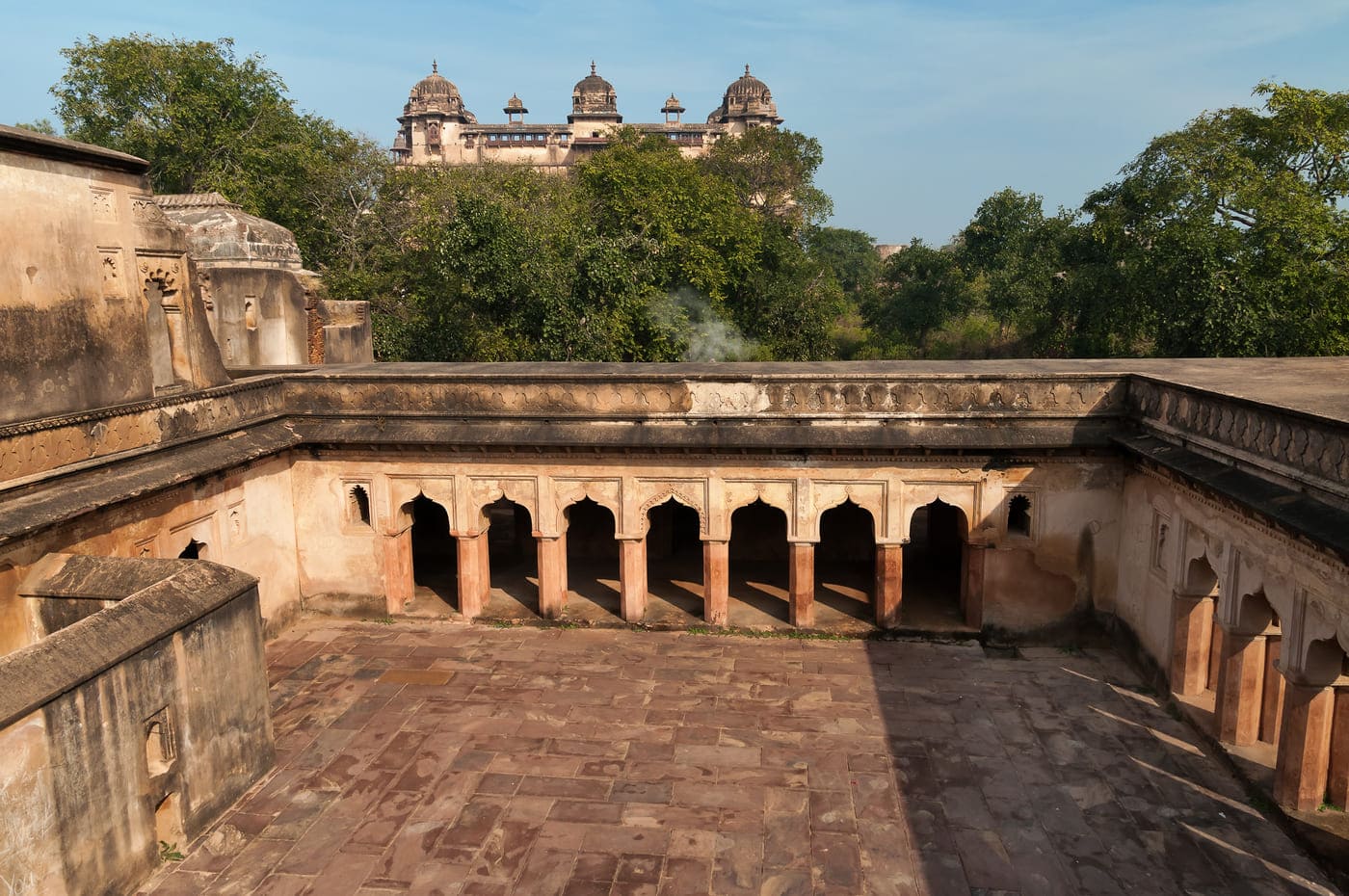
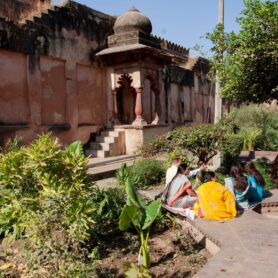
The charming courtyard of Dauji Ki Kothi, a noble mansion inside the Orchha fort complex, bathed in warm natural light. © Elena Odareeva
The Rulers Who Determined Orchha’s Destiny
The history of Orchha unfolds like an epic, guided by rulers whose decisions, alliances, and battles shaped the destiny of Bundelkhand for centuries. Here are the kings whose reigns left lasting marks on this storied land:
• Rudra Pratap Singh (1501–1531)
The visionary founder and first king of Orchha, he chose the site and built the mighty fort that would become the seat of Bundela power.
• Bharti Chand (1531–1554)
Rudra Pratap’s son, he ruled for over two decades but left no heir, creating a vacuum that would reshape Orchha’s lineage.
• Madhukar Shah (1554–1592)
Younger brother of Bharti Chand, he inherited a kingdom under constant attack—from Afghan ruler Islam Shah Suri to the Mughal emperor Akbar. His long reign saw both turmoil and resilience.
• Ram Shah (1592–1604)
He guided Orchha into the early 17th century, continuing the Bundela legacy during a politically tense era.
• Bir Singh Deo (1604–1627)
Internal tensions pushed Madhukar to accept Mughal suzerainty, and Emperor Jahangir appointed Bir Singh Deo—a loyal vassal—as ruler of Orchha. His reign marked a golden age, leaving behind many of Orchha’s most magnificent palaces and temples.
• Jhujjar Singh (1627–1635)
He initially rebelled against Mughal rule under Shah Jahan but was eventually placed on the throne. His turbulent reign reflected the growing tension between Orchha and the empire.
• Indramani Singh (1672–1675)
The 10th Raja of Orchha, he ruled briefly yet continued the lineage through a period of shifting political power in central India.
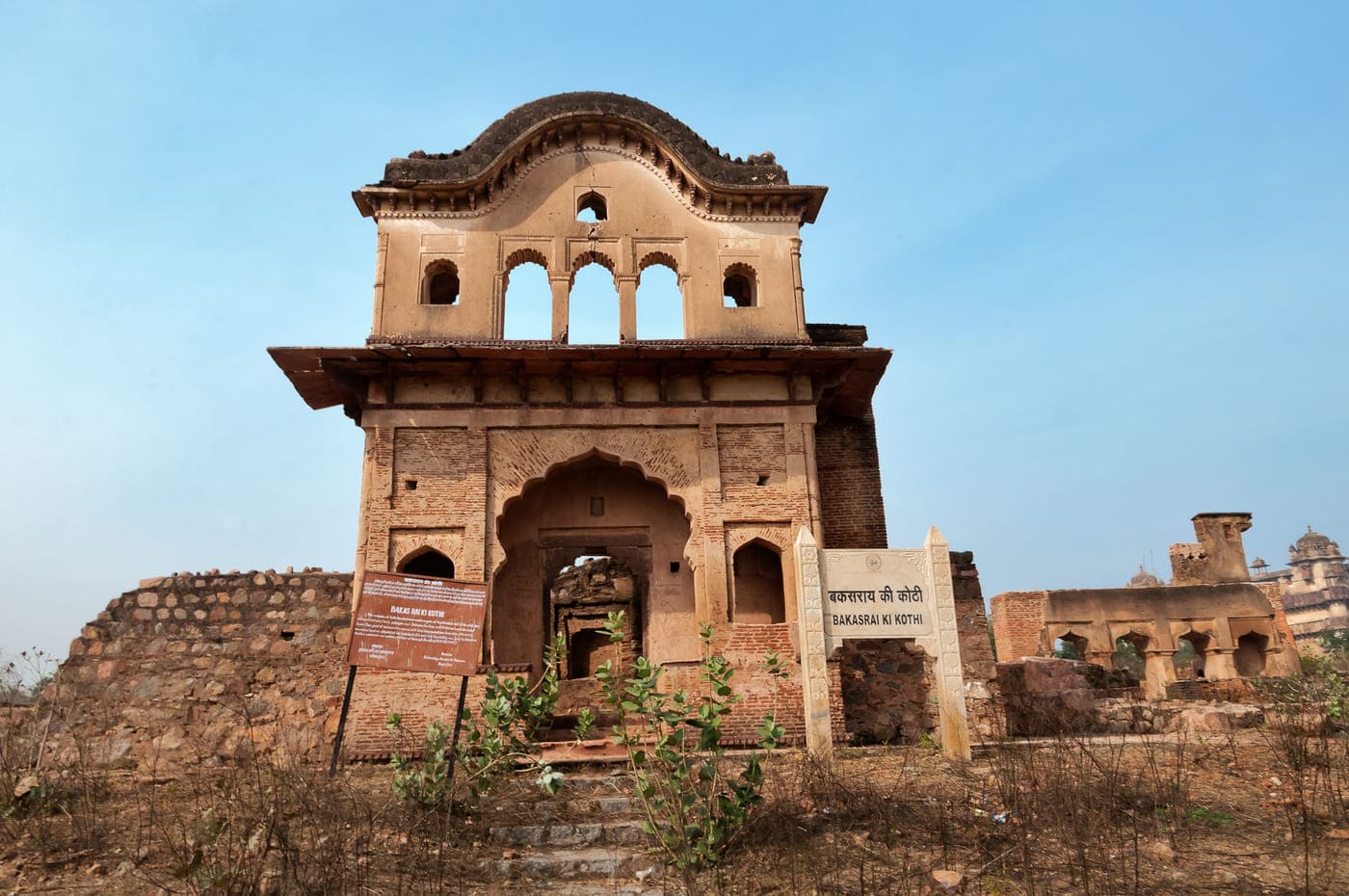
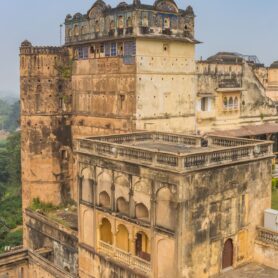
The elegant ruins of Bakasrai ki Kothi stand proudly inside the Orchha Fort Complex, showcasing the town’s layered architectural past. © Elena Odareeva
The Legacy of Bir Singh Deo
If there is one ruler who transformed Orchha forever, it was Bir Singh Deo. Under his leadership, the kingdom entered a true golden age, reaching a level of architectural brilliance and cultural prominence it had never known before. His vision reshaped the skyline with monumental creations—colossal palaces, majestic temples, and exquisitely designed spaces like the enchanting Phool Bagh gardens, the grand Jahangir Palace, and the striking Lakshmi Temple.
Bir Singh Deo was not only a great builder but also a strategic leader. During the decline of the Chandela dynasty in the 1700s, he played a crucial role in reviving the fortunes of nearby Jhansi. He constructed its formidable fort and restored the town to its former significance in northern India.
His diplomatic skills were just as remarkable. Relations with the Mughal emperors improved significantly during his reign—so much so that he became a trusted ally and close friend of Emperor Jahangir. Their partnership brought stability and prestige to Orchha, further strengthening its influence.
Sadly, the brilliance of Bir Singh Deo’s era did not last. His successors, Jhujjar Singh and Indramani Singh, lacked his wisdom and discipline. Their careless and arrogant rule ushered in a period of decline, dimming the glory their predecessor had so carefully built.
Yet today, Orchha still stands as Bir Singh Deo left it—its palaces glowing in the sun, its temples rising in quiet devotion, and its gardens whispering of a time when the city flourished under a ruler with extraordinary vision.
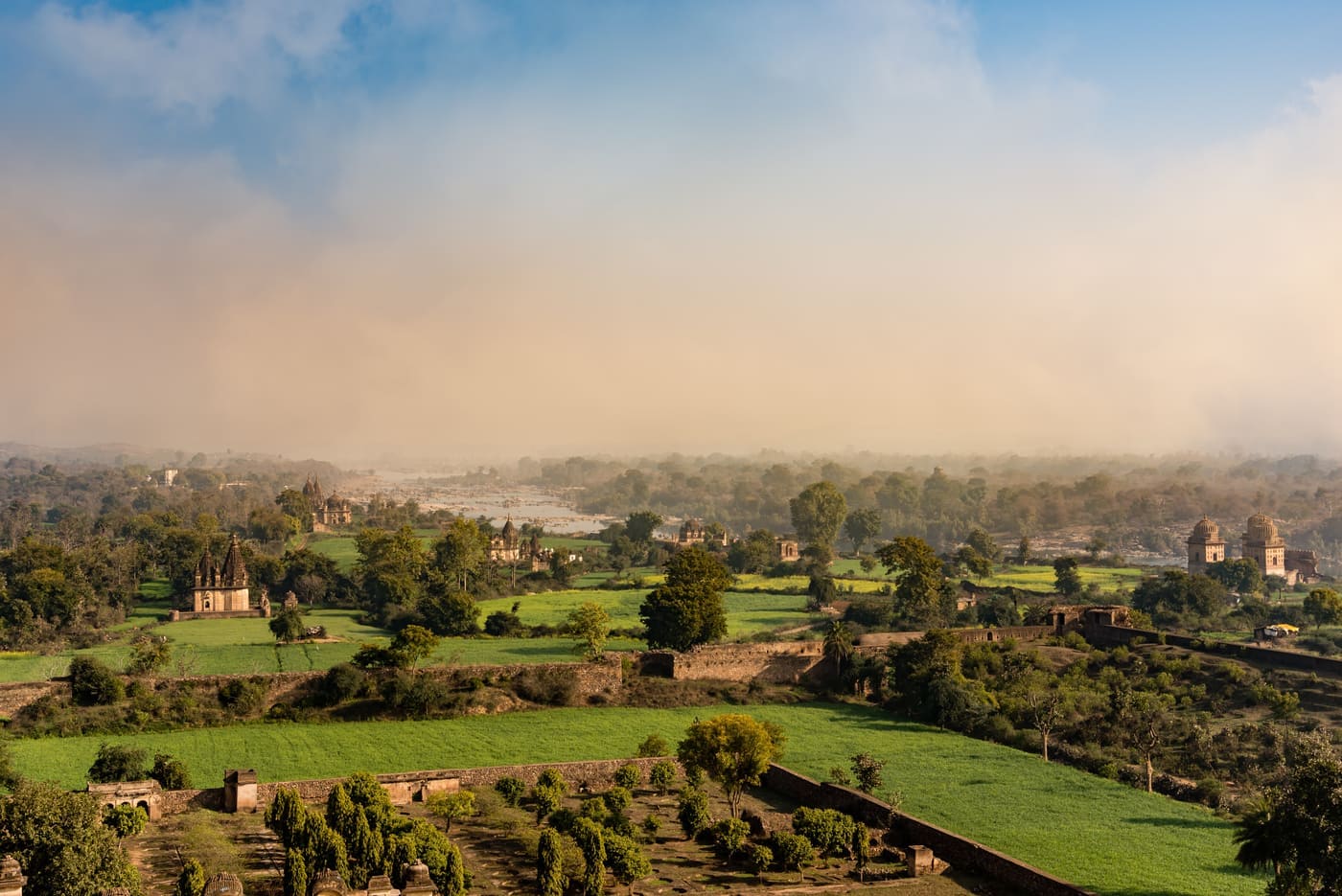
Morning mist slowly lifts over the Betwa River near Orchha, revealing a peaceful riverside landscape. © cornfield
The Dramatic Tale Behind Bir Singh Deo’s Rise
One of the most fascinating stories in Orchha’s history is how Bir Singh Deo earned the unwavering favor of Jahangir—a tale woven with politics, betrayal, and royal ambition.
According to legend, Bir Singh Deo played a pivotal role in the assassination of Abul Fazl, the beloved courtier and esteemed vizier of Emperor Akbar. The Dutch geographer Johannes de Laet, in his classic work The Empire of the Great Mogul (translated by J. S. Hoyland), recounts the incident in gripping detail.
Abul Fazl, wise and influential, strongly opposed the accession of Akbar’s eldest son, Prince Salim (the future Jahangir). This opposition enraged Salim, who feared that Fazl’s influence could cost him the throne. Desperate to secure his path to succession, the prince turned to Bir Singh Deo—and asked him to eliminate his most formidable opponent.
As Abul Fazl traveled from the Deccan back to Agra, he was ambushed near Gwalior, attacked from both sides in a deadly trap laid by Bir Singh. The assassination was swift and brutal. Bir Singh then sent Abul Fazl’s severed head to Prince Salim, who was reportedly overjoyed to have the obstacle removed.
When Salim finally ascended the throne as Emperor Jahangir, he repaid the favor handsomely. Bir Singh Deo was rewarded with rule over Orchha and the entire Bundelkhand region, a position that allowed him to usher in the golden age that still defines Orchha today.
In his writings, de Laet praised Bir Singh with surprising warmth, calling him brave, pure, and kind-hearted—a testament to the complicated but compelling figure who shaped Orchha’s destiny through both loyalty and lethal resolve.
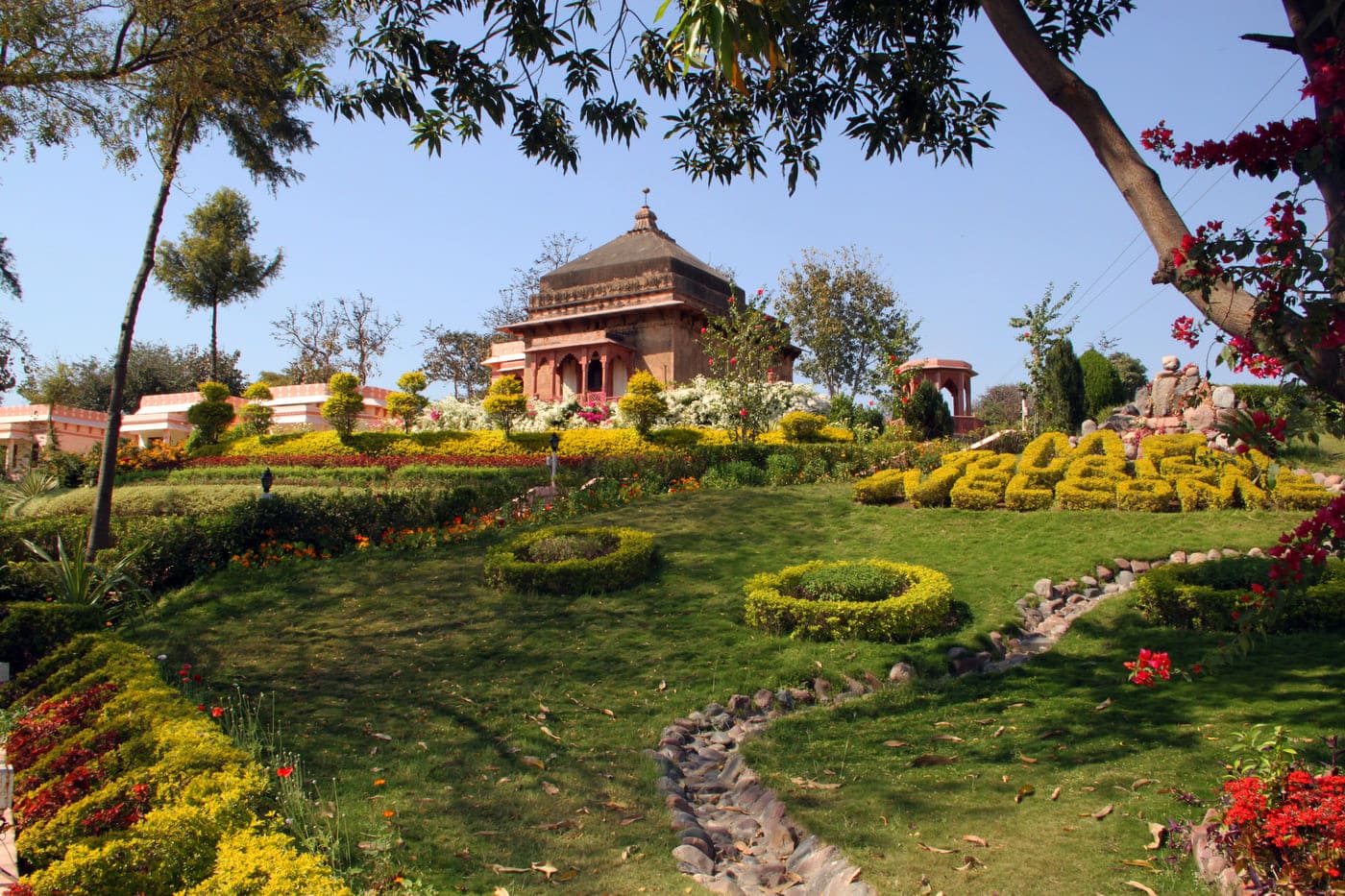
The picturesque gardens of Betwa Retreat Resort, perched on a hillock with tranquil views of the flowing Betwa River. © Goddard_Photography / Getty Images
Orchha – Noble State of Old
By the late 18th century, the political winds sweeping across India were shifting rapidly. In 1783, as Maratha power surged through central India, Orchha found itself under threat. To safeguard the kingdom, Raja Vikramajit moved the capital to Tehri—modern-day Tikamgarh. The decision proved wise: Orchha, along with neighboring Datia, became one of the few places that did not bow to Maratha dominance.
A new chapter began in 1802, when the Treaty of Bassein brought much of central India under British influence following the alliance between the British and Peshwa Bajirao I of the Marathas. Soon after, in 1854, the British formally created the Central India Agency, giving themselves authority to interfere in the internal affairs of Orchha.
The royal throne became a seat of constant rivalry and dispute, with different factions vying for control. The uncertainty continued until 1930, when the British Secretary of State for India appointed Bir Singh Deo II as the ruler—bringing temporary stability back to the region.
Following India’s independence in 1947 (correct year; your text says 1857, likely a typo), Orchha transitioned peacefully into the Indian Union, marking the end of its long and eventful era as a princely state.
Today, the town still carries the noble imprint of its past—forts, palaces, temples, and riverbanks echoing the legacy of the rulers who shaped its destiny across centuries.
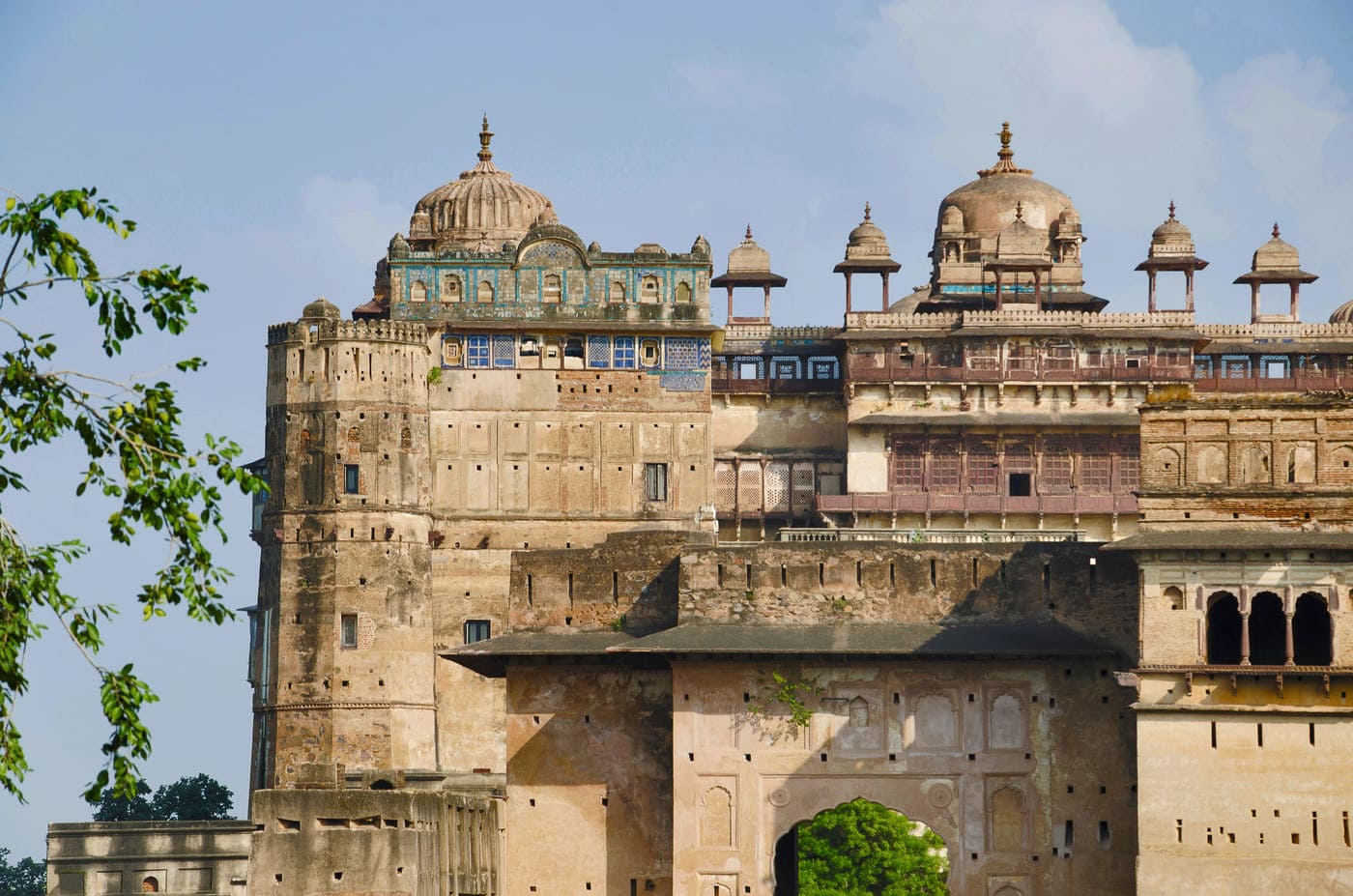
The grand façade of Sheesh Mahal Heritage Hotel, with the domes of Jahangir Mahal rising beautifully in the background. © RealityImages
Explore Orchha: What Not to Miss
Orchha is a treasure chest of palaces, temples, and riverfront monuments—beautifully preserved and wonderfully compact. To make your exploration easier, its major sights can be grouped into four unforgettable clusters:
1. The Palace Complex
Step into Orchha’s royal past with its magnificent palaces:
• Raja Mahal – the king’s residence with dazzling murals
• Jahangir Mahal – a Mughal-Bundela masterpiece built for Emperor Jahangir
• Rai Parveen Mahal – dedicated to the celebrated poet-dancer
• Sheesh Mahal – now a heritage-style hotel with regal charm
2. The Ram Raja Complex
A blend of devotion and architectural grandeur:
• Chaturbhuj Temple – famed for its massive interior and towering shikhars
• Ram Raja Temple – the only temple where Lord Ram is worshipped as a king
• Sawan Bhadon – twin palace structures symbolizing monsoon winds
• Dinman Hardol Palace – linked with a beloved Bundela legend
• Phool Bagh – a serene Mughal-style garden with fountains and a royal retreat
3. Sundar Mahal & Lakshminarayan Temple
A quieter corner of Orchha boasting:
• Sundar Mahal – a palace woven with stories of love and devotion
• Lakshminarayan Temple – known for its brilliant frescoes and unusual fusion of temple and fort design
4. The Chhatris of Orchha
Along the banks of the Betwa River, towering cenotaphs honor the Bundela rulers. Their reflections shimmering in the water create one of Orchha’s most iconic and unforgettable views.
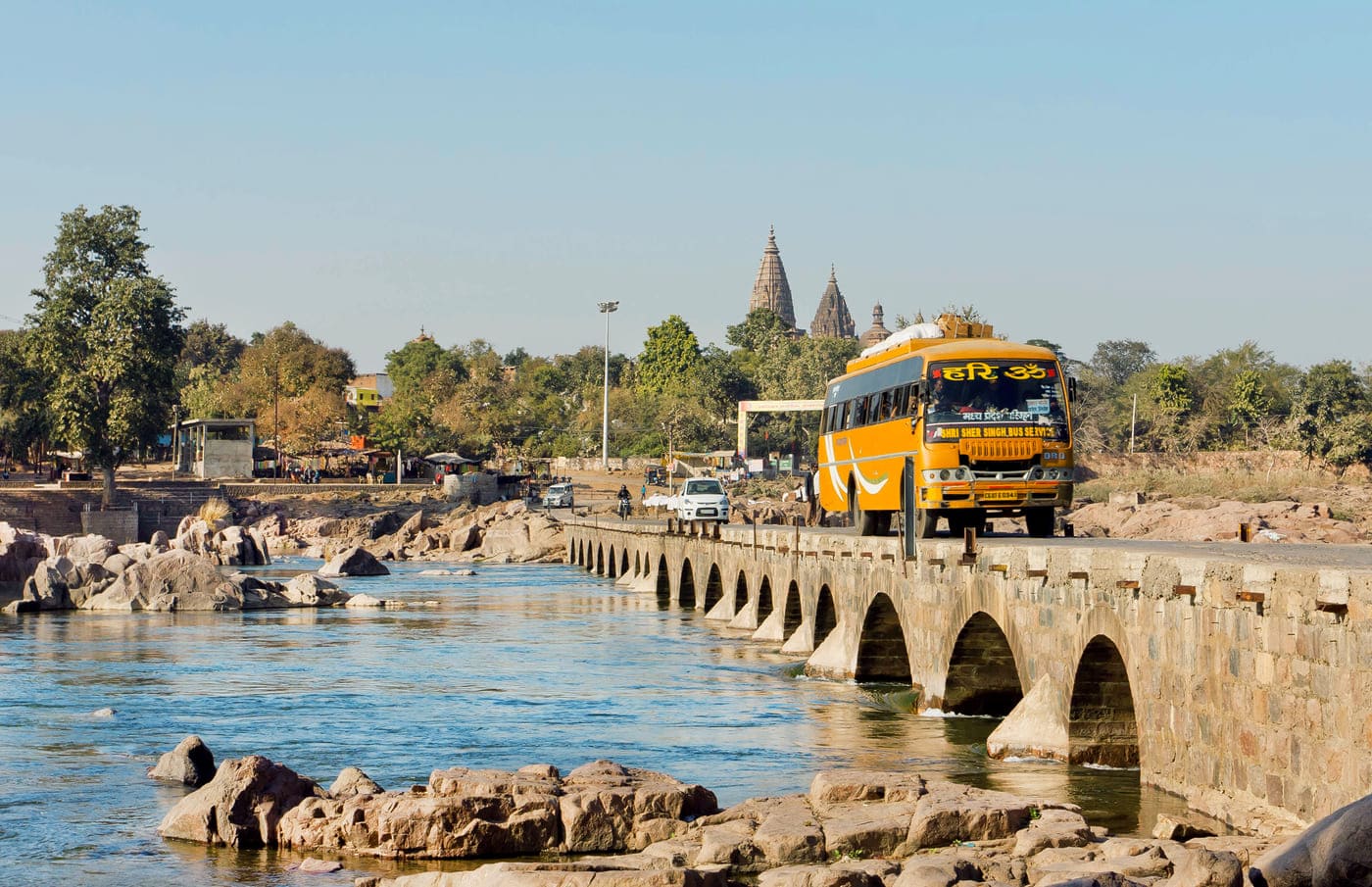
A bright yellow tourist bus crosses the narrow bridge over the Betwa River, capturing daily life along Orchha’s riverside. © Radiokafka
How to Reach Orchha
Getting to Orchha is easy and enjoyable, no matter where your journey begins.
✈️ By Air
The nearest airports are:
• Khajuraho Airport – 105 miles away
• Gwalior Airport – 74 miles away
Both offer flights connecting major Indian cities, making Orchha accessible for domestic and international travelers alike.
🚌 By Bus
Regular buses run between Jhansi and Orchha, offering a quick and affordable ride through the scenic Bundelkhand countryside.
🚆 By Train
The closest railway station is Jhansi Junction, just 10 miles from Orchha. Trains from major hubs like Agra and New Delhi stop here frequently.
Check schedules and availability at: www.irctc.co.in
Whether you fly, ride, or roll into Orchha, the journey brings you right to the doorstep of one of India’s most enchanting heritage towns.
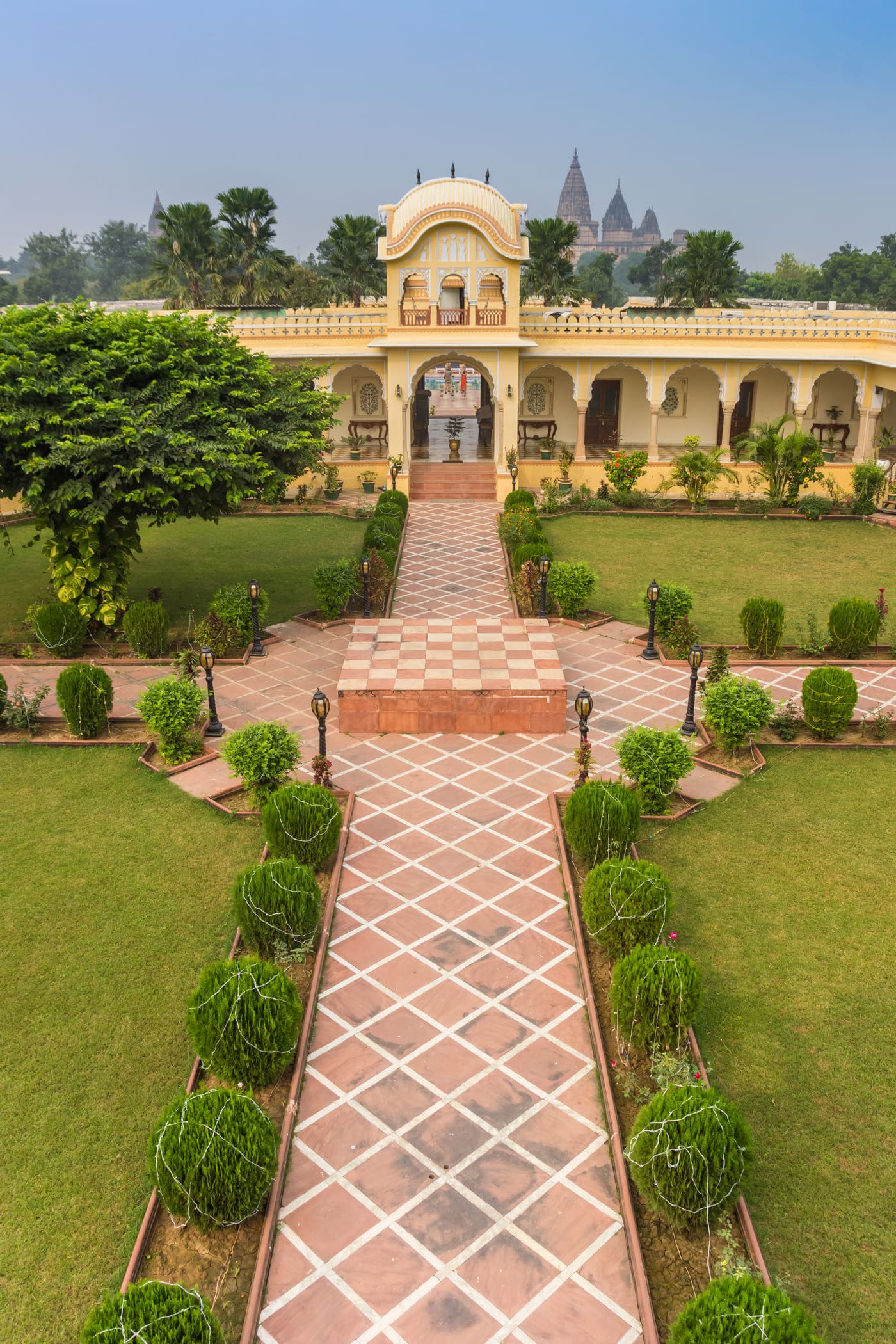
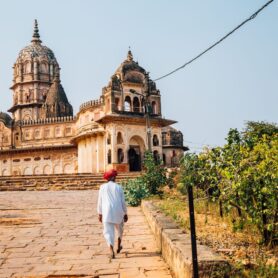
A stone pathway lined with towering planters leads through the serene courtyard garden of a heritage hotel in Orchha. © Marc Venema
Where to Stay in Orchha
Orchha offers a charming range of stays, each blending comfort with the town’s royal heritage. Whether you want riverside serenity or a palace-style experience, here are some wonderful options:
• Bundelkhand Riverside Retreat – Perfect for those who want peaceful views and old-world ambience along the Betwa River.
• Amar Mahal – A regal stay with palace-like architecture, lush courtyards, and warm hospitality.
• MP Tourism Betwa Retreat – A reliable and scenic government-run property ideal for families and nature lovers.
• Orchha Resort – A popular choice offering modern amenities with a touch of traditional Orchha charm.
Wherever you stay, you’ll find yourself close to the monuments, the river, and the quiet magic that makes Orchha unforgettable.
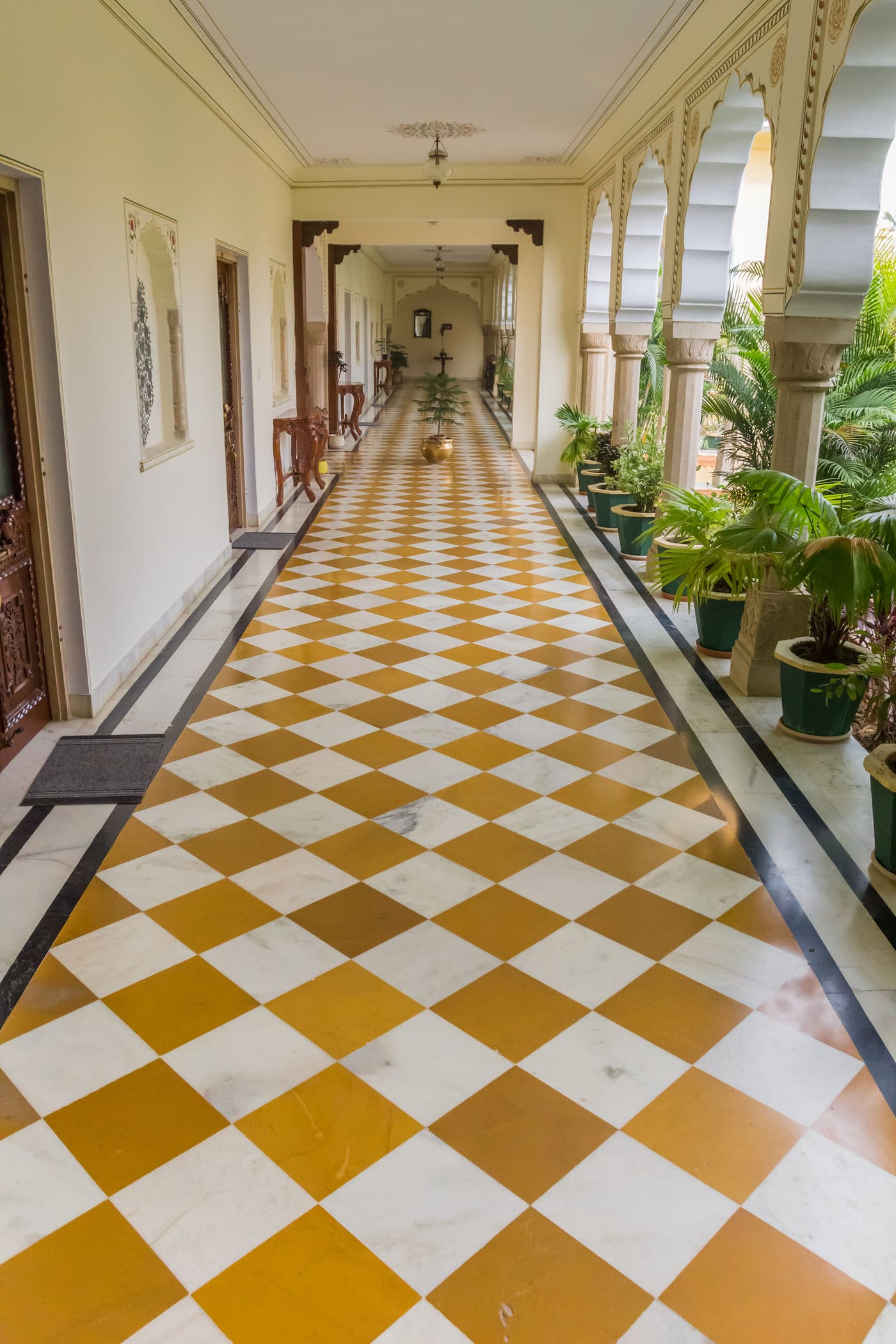
A charming corridor in a heritage hotel glows with yellow-and-white checkered tiles, framed by lush Areca palm planters. © Marc Venema
Pictures of Orchha to Lure and Seduce You
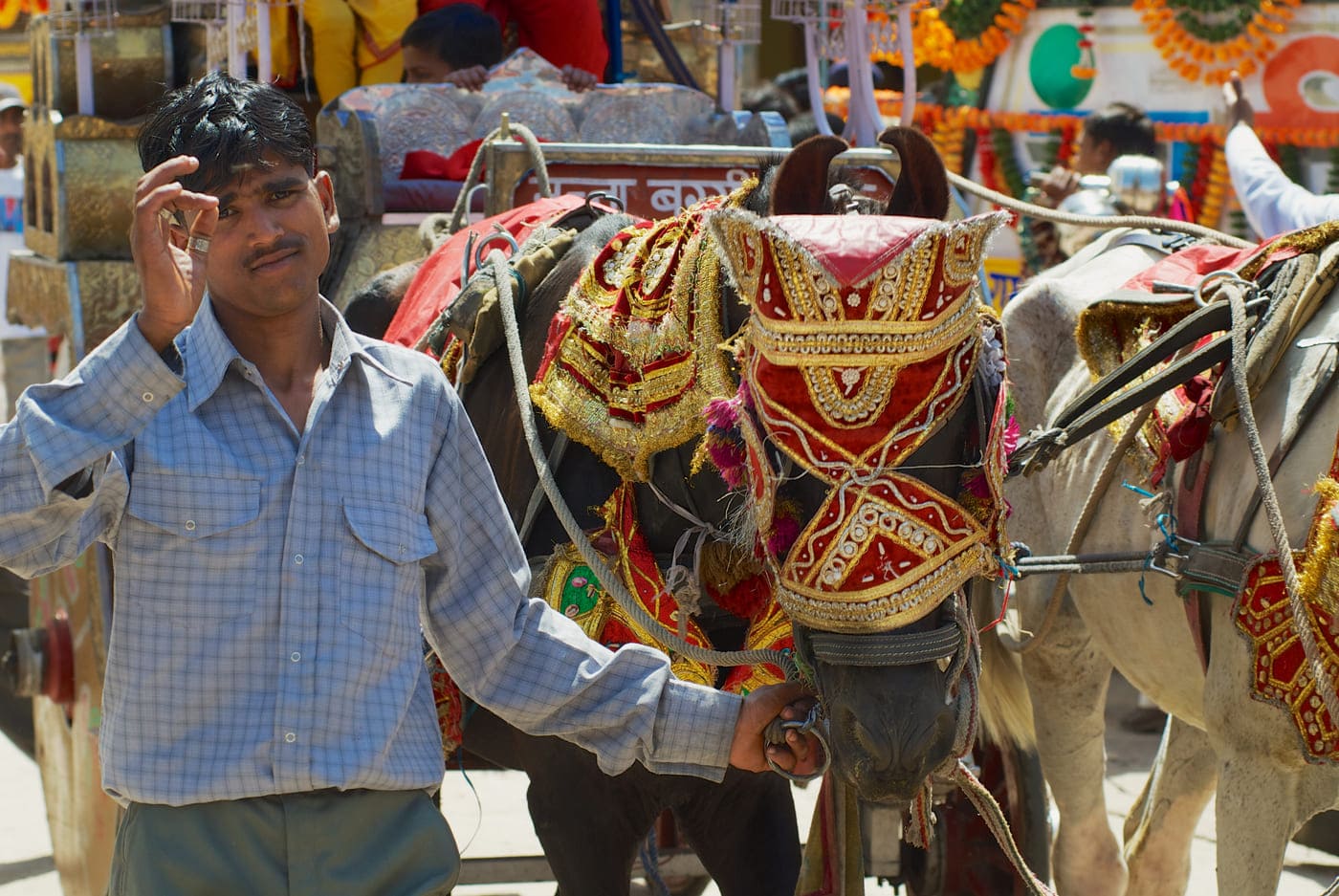
Decorated horses stand proudly beside a handler during a vibrant religious ceremony in the streets of Orchha. © Dmitry Chulov
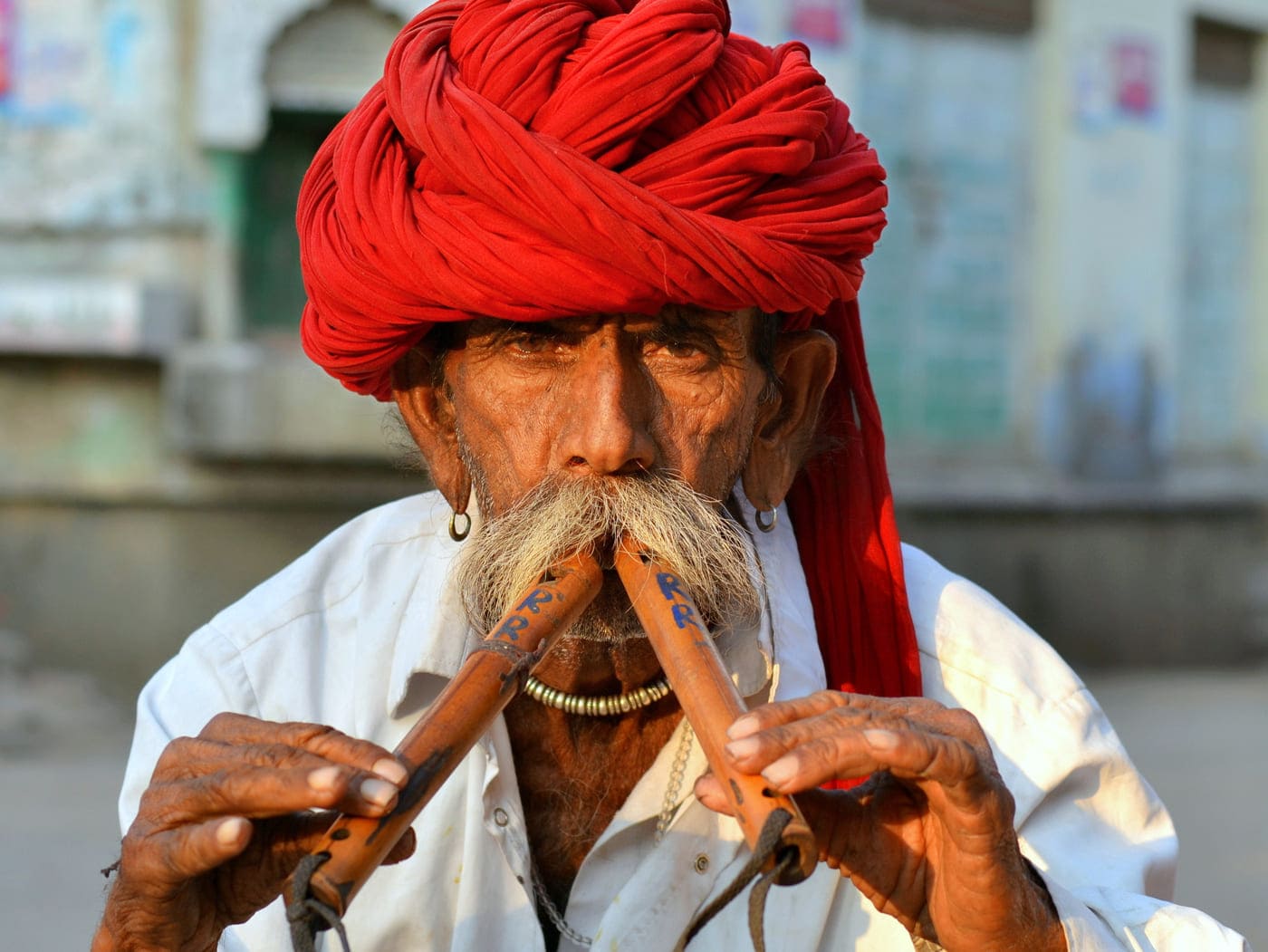
A mustached musician at Orchha’s Ram Raja Mandir pours his heart into a soulful melody, tapping rhythmically on the jheeka, a traditional rectangular Indian tambourine. His expressive singing and the vibrant beats capture the temple’s spiritual energy, offering visitors a glimpse into Orchha’s living musical heritage. © Matt Hahnewald
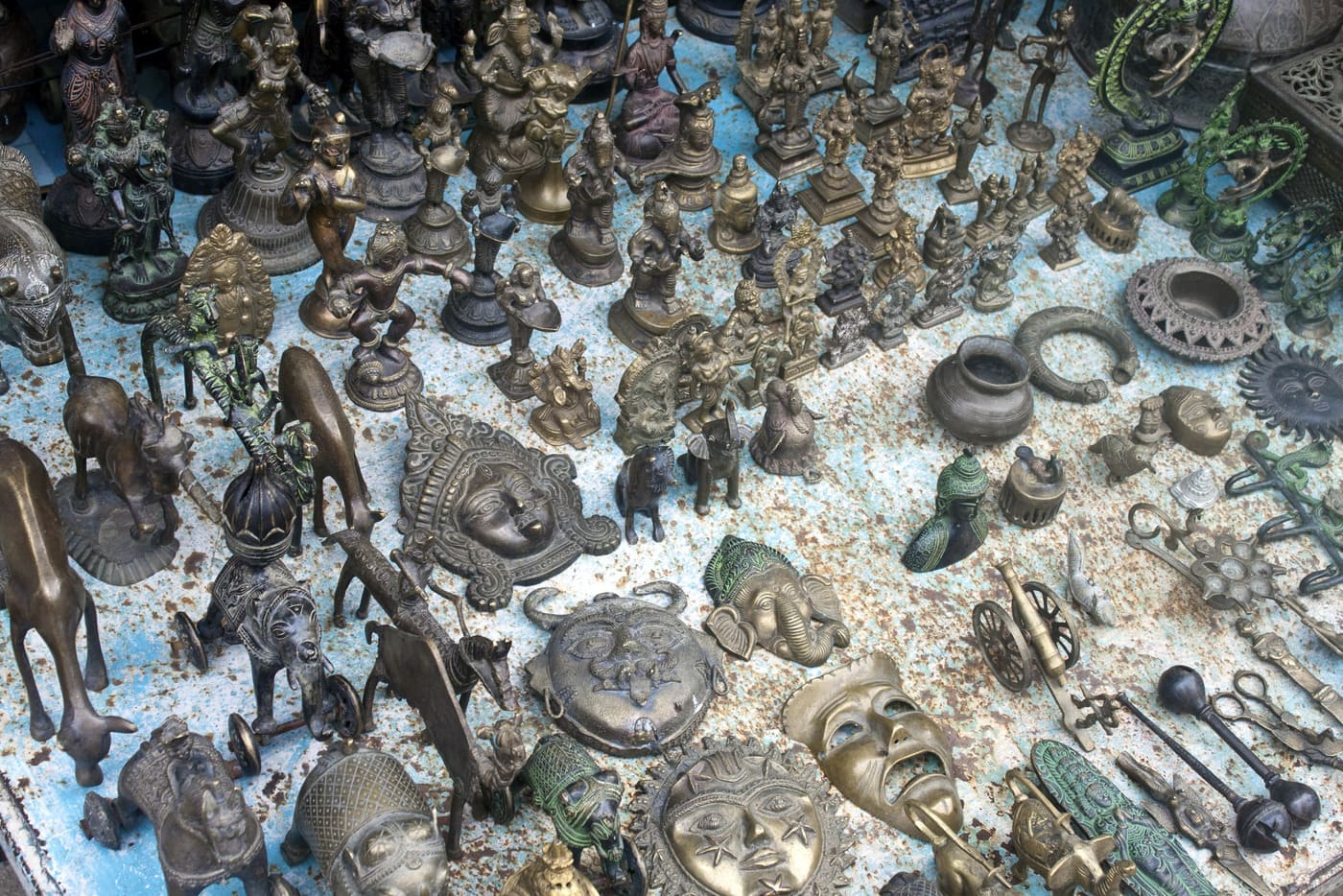
Bronze figurines and sculptures gleam in the sunlight at a local village market in Orchha. © Matyas Rehak
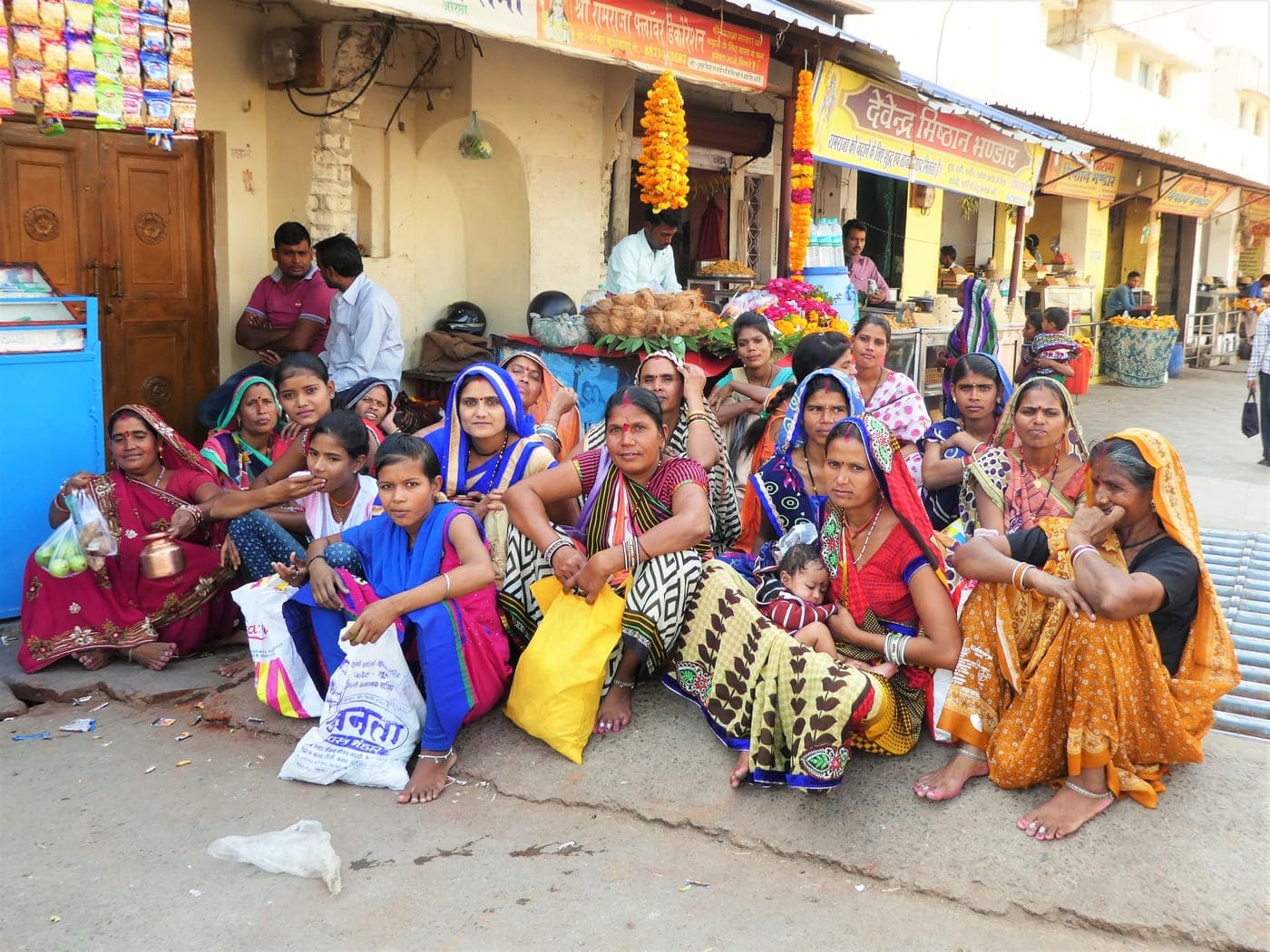
Women and young girls sit together along a street in Orchha, offering a glimpse into everyday local life. © Magdalena Greguskova
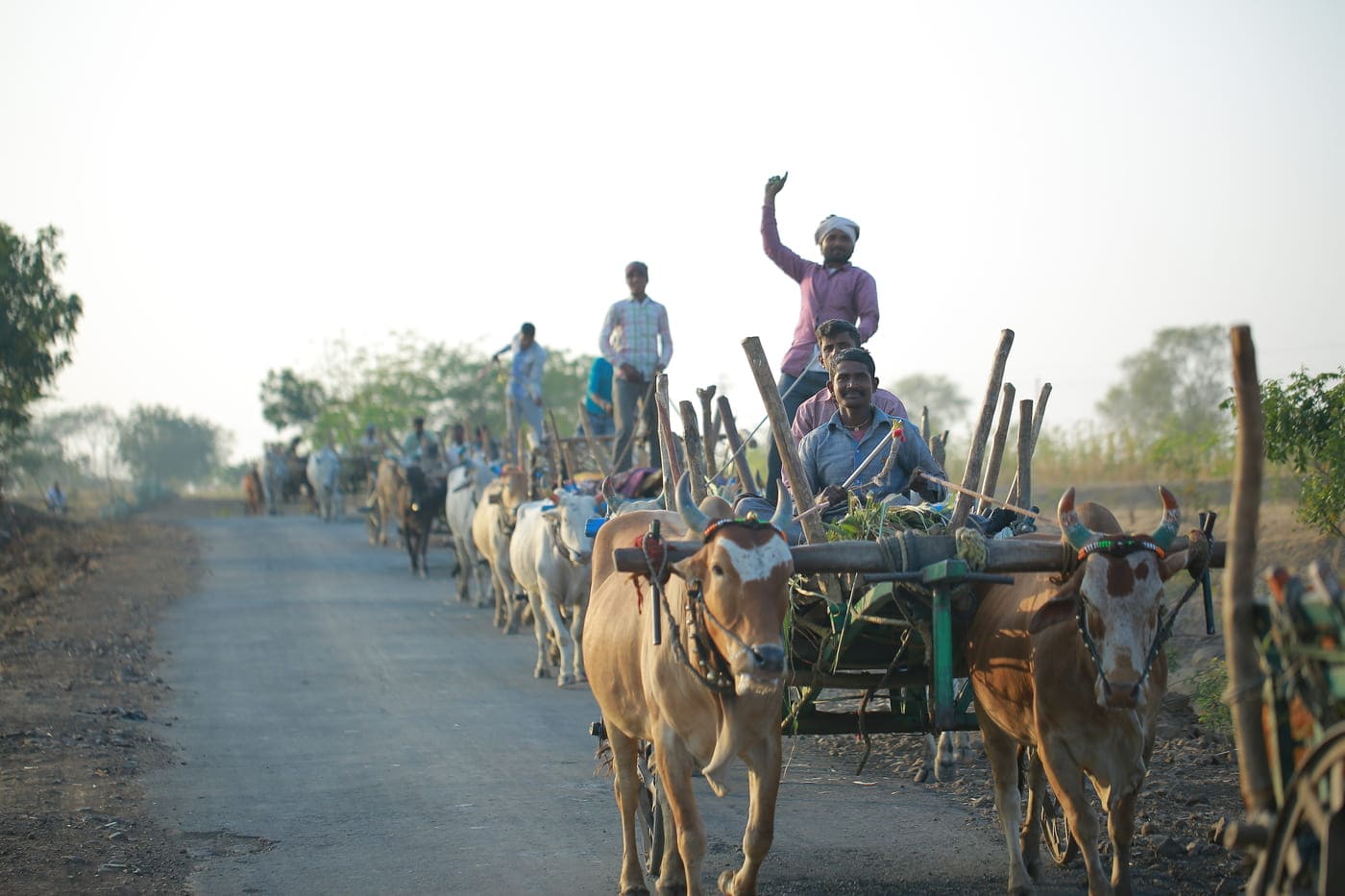
Men drive wooden carts pulled by buffaloes along rural roads—an authentic scene from Orchha’s countryside. © Dgwtome
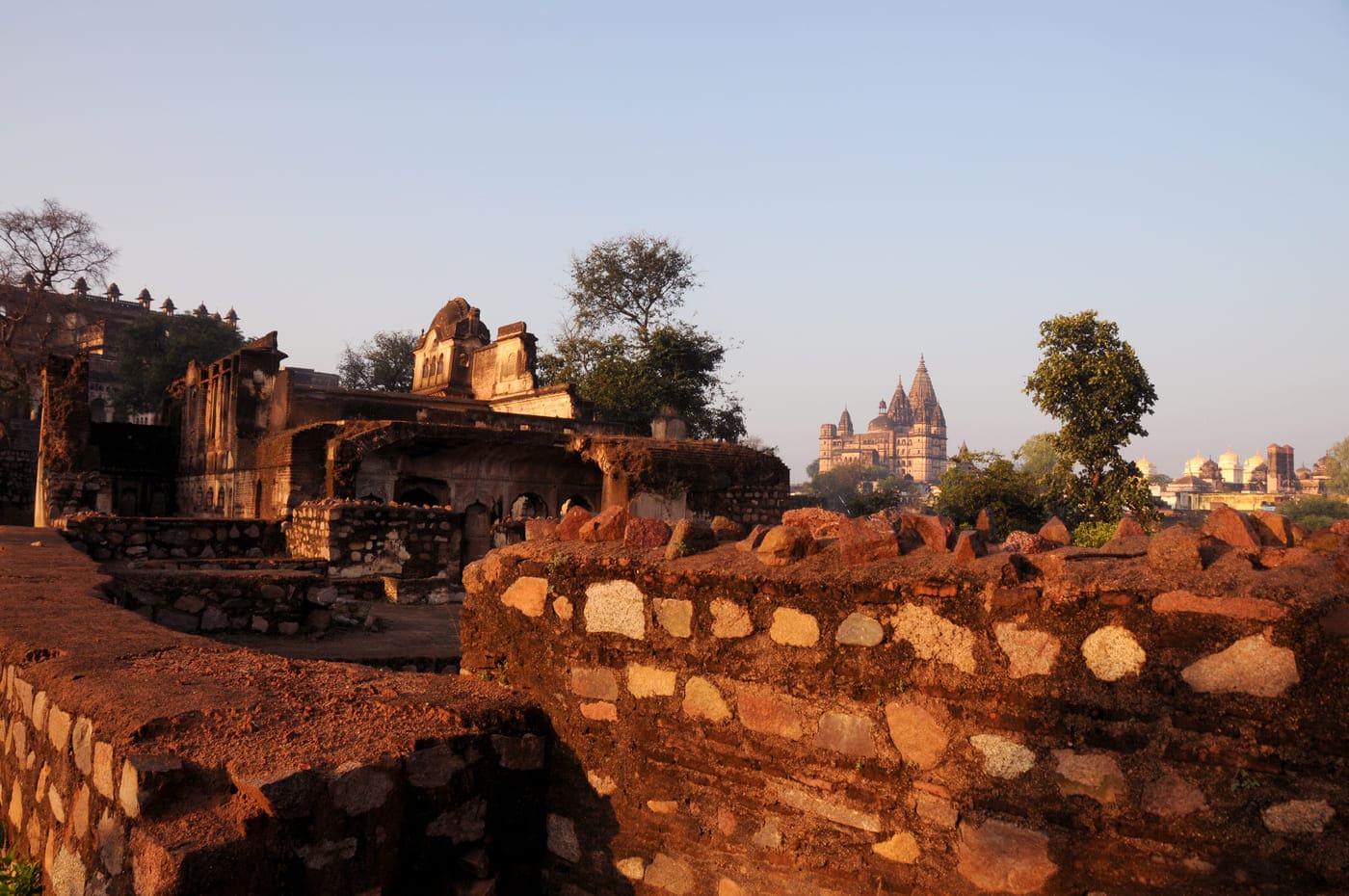
The spires of the historic Chaturbhuj Temple glow beautifully at twilight, creating an enchanting silhouette over Orchha. © Dinesh Pagaria
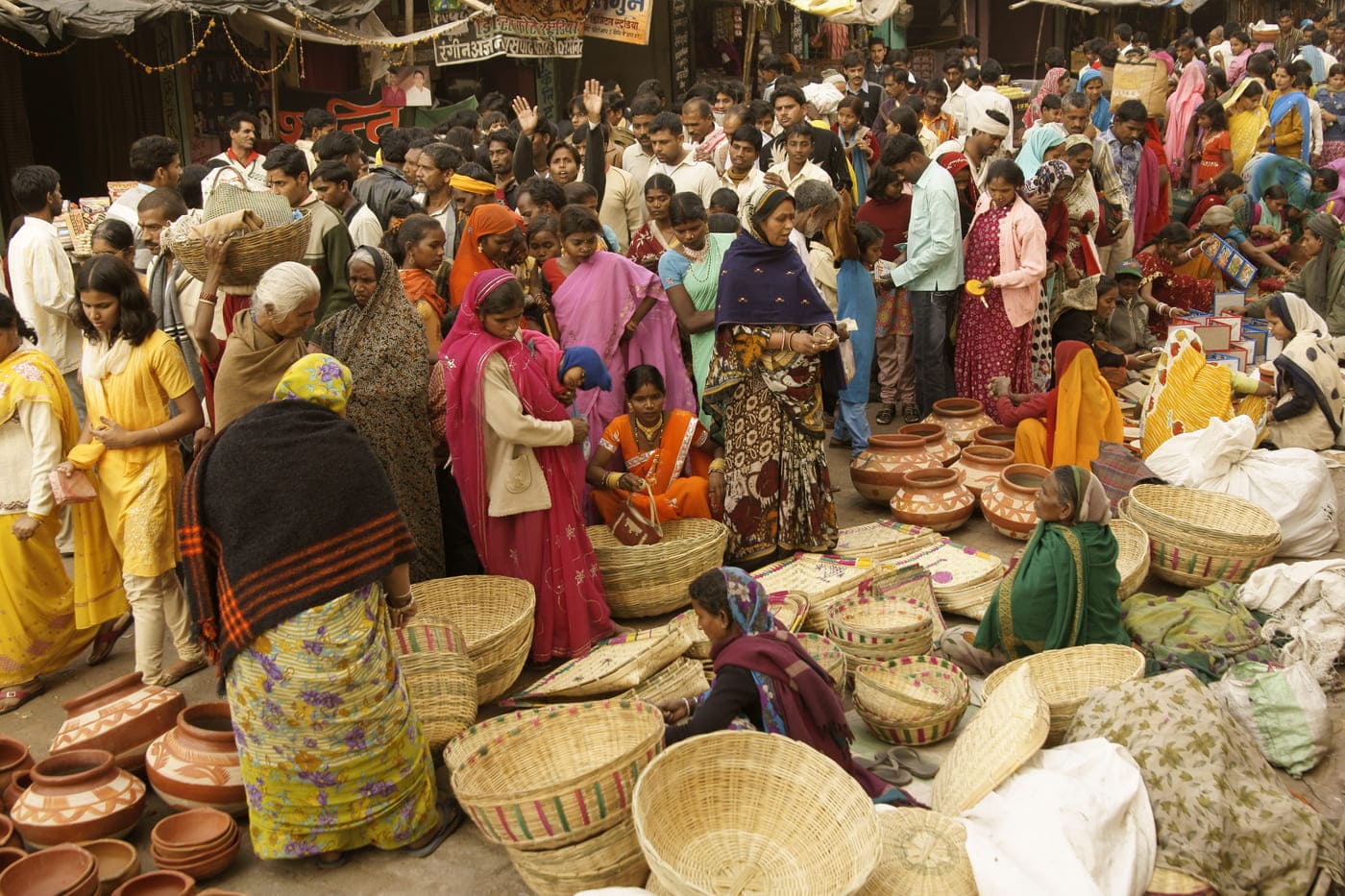
A bustling village market scene where women sell handmade cane baskets and earthenware—a craft tradition still alive in Orchha. © Jeremy Richards
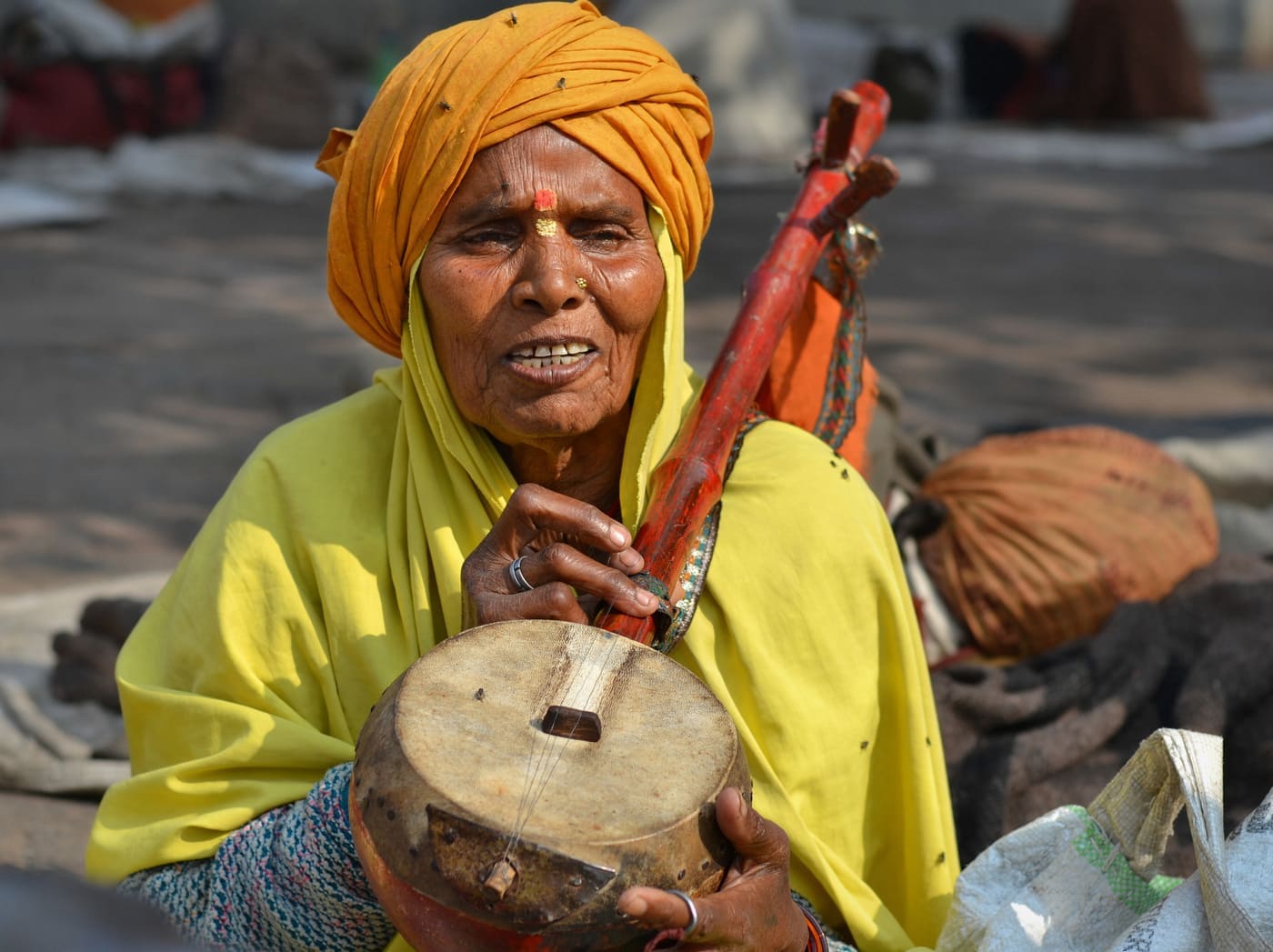
Temple musicians sing devotional songs and play the rectangular jheeka tambourine inside the Ram Raja Mandir. © Matt Hahnewald
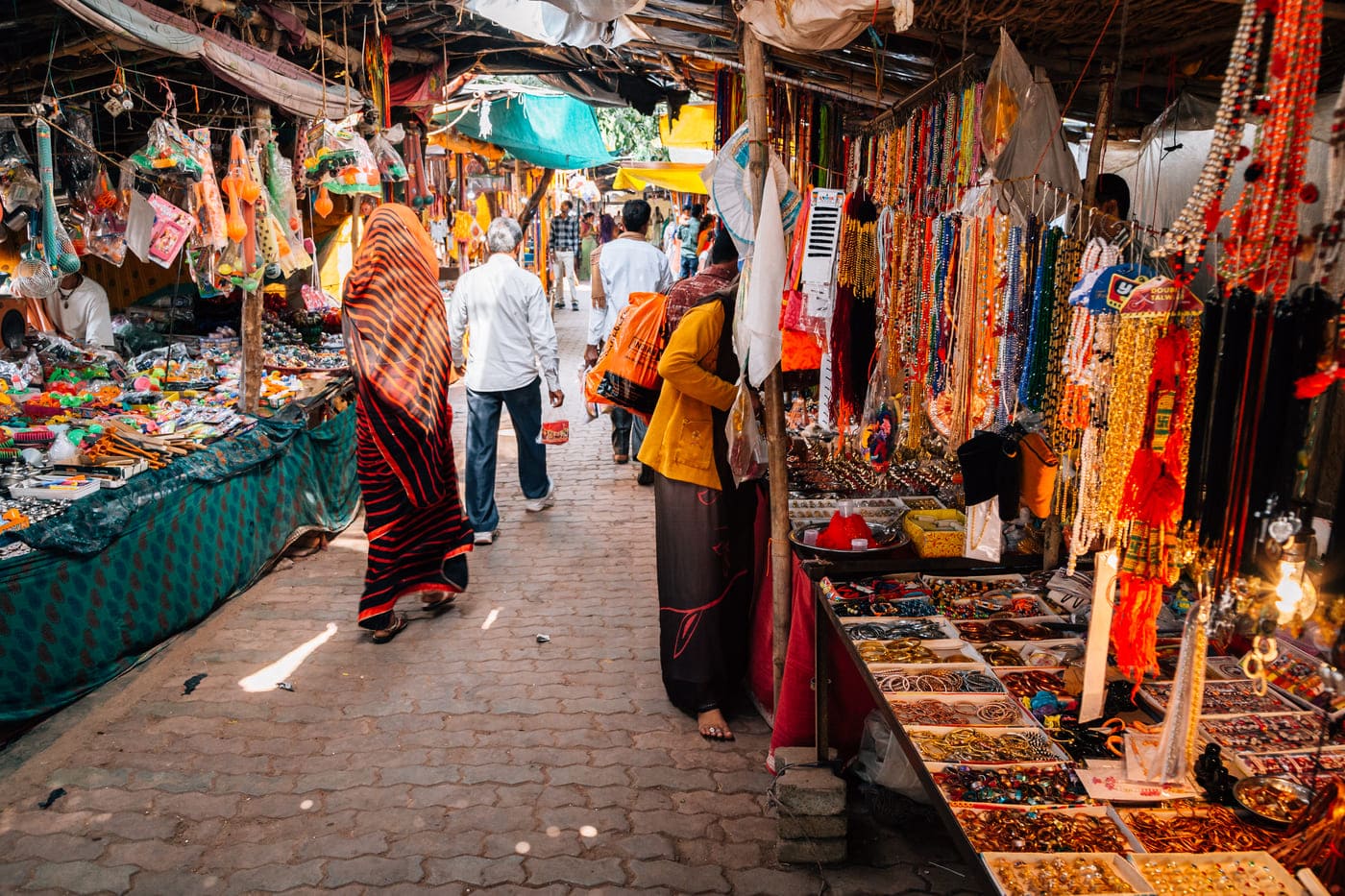
Vendors sit at the entrance of the Ram Raja Temple selling religious offerings to devotees. © Sanga Park
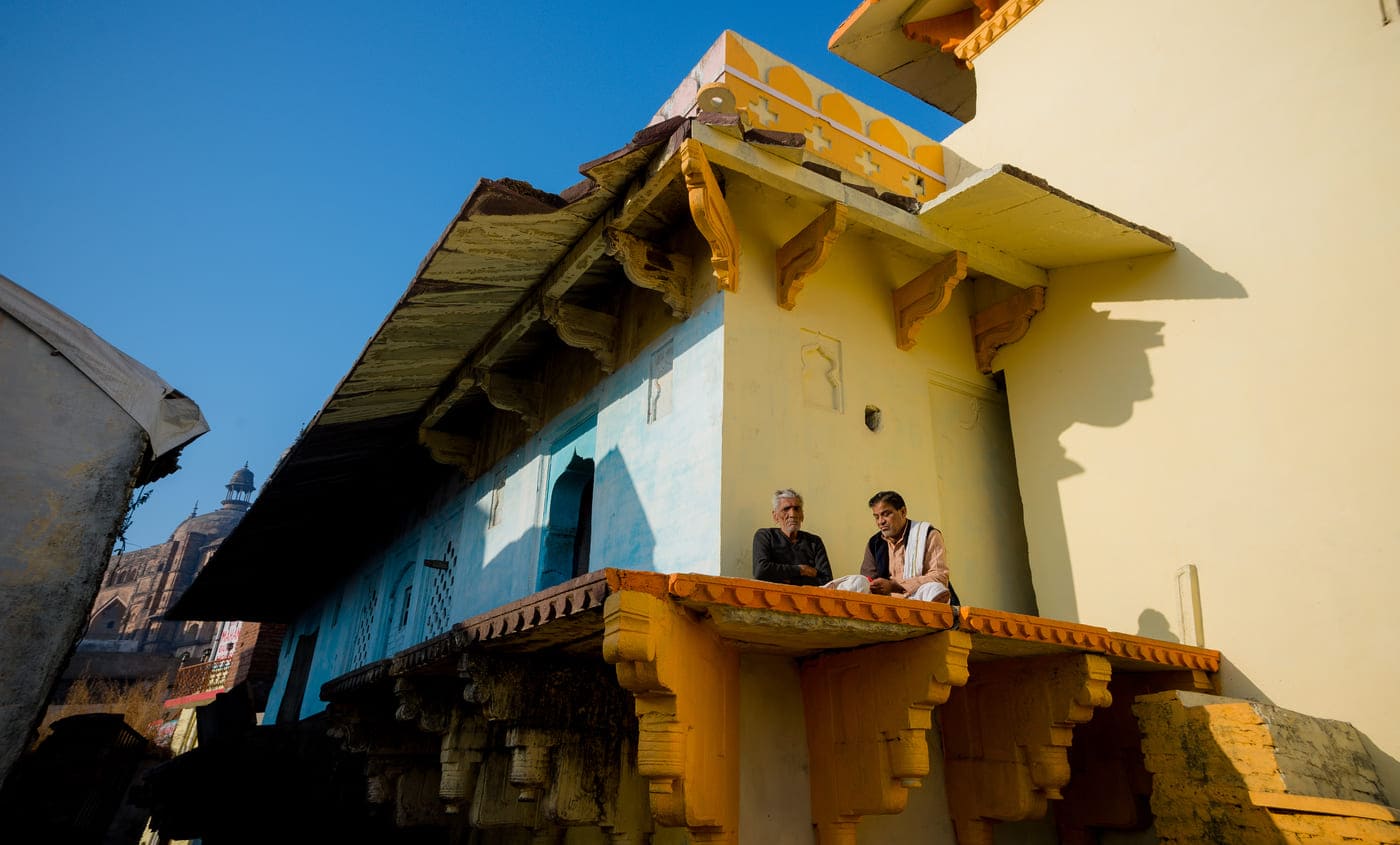
Two men relax outside their home, soaking in the soft winter sunlight—an everyday moment in Orchha. © Jatin Malhotra / Getty Images
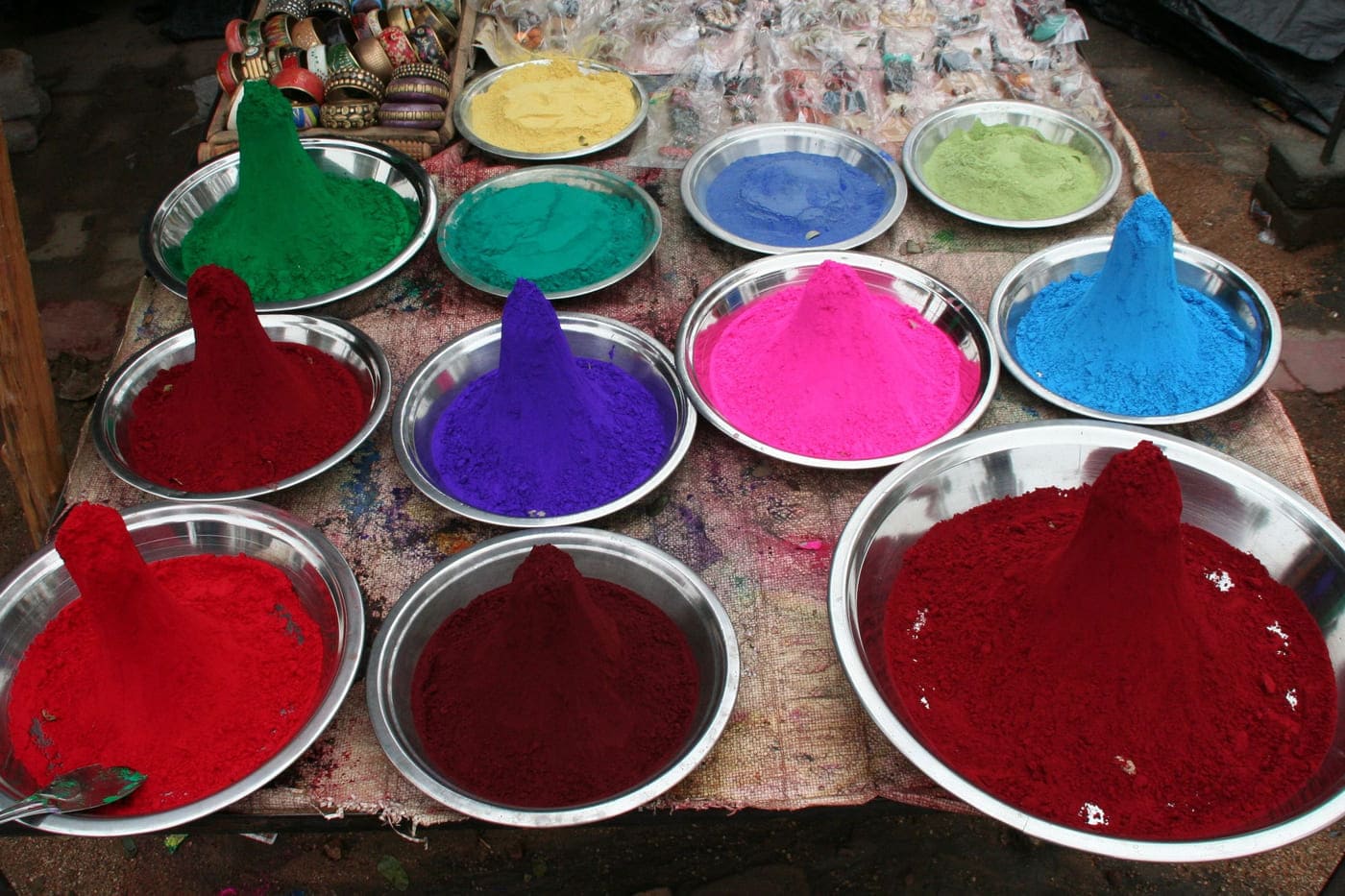
Colorful powders used for worship are sold outside the Ram Raja Mandir, creating a vibrant splash of hues. © AleCasa77
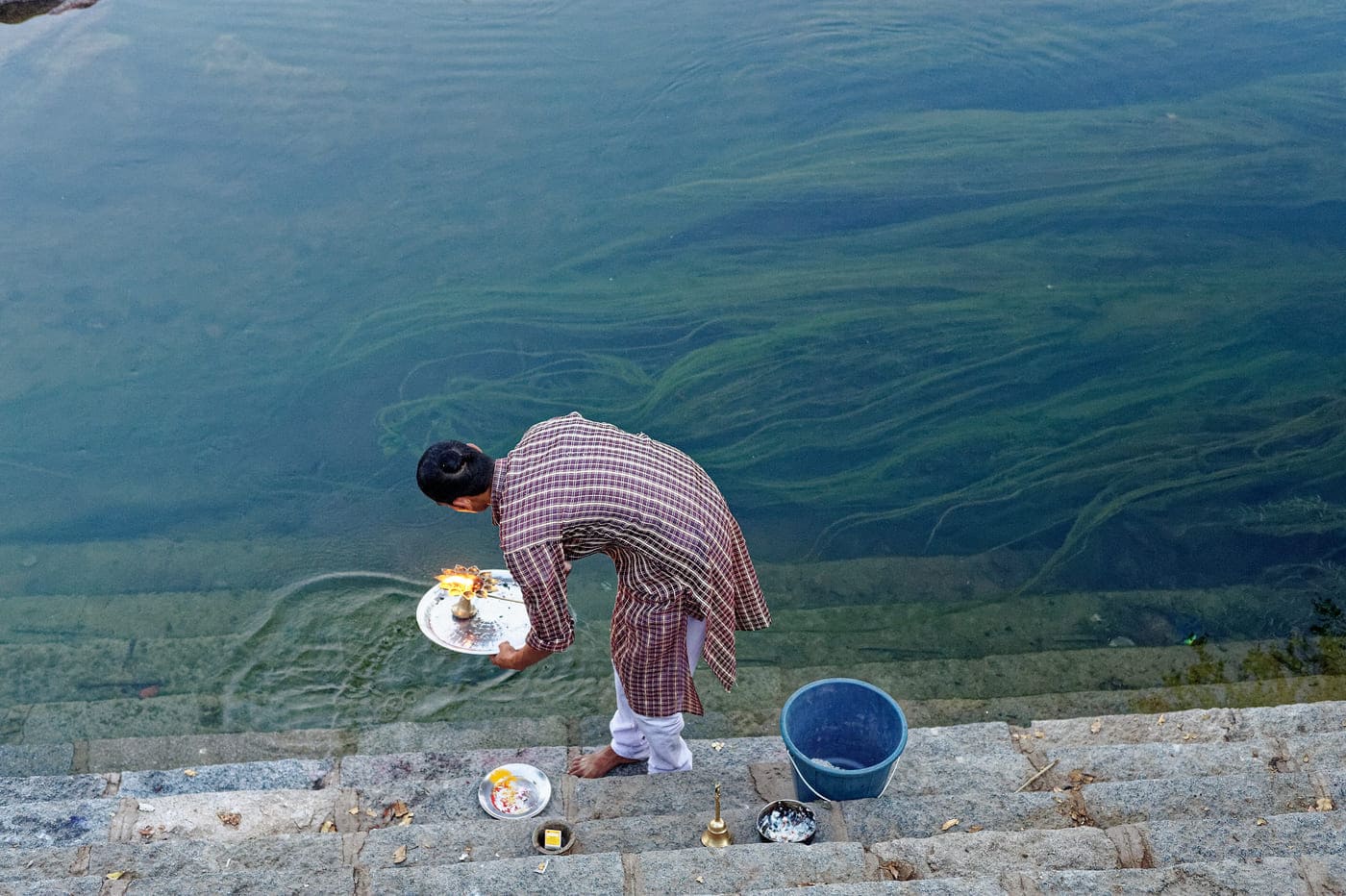
A Hindu priest performs the sacred Aarti ritual beside the Betwa River, the flames reflecting softly on the water. © Satish Parashar
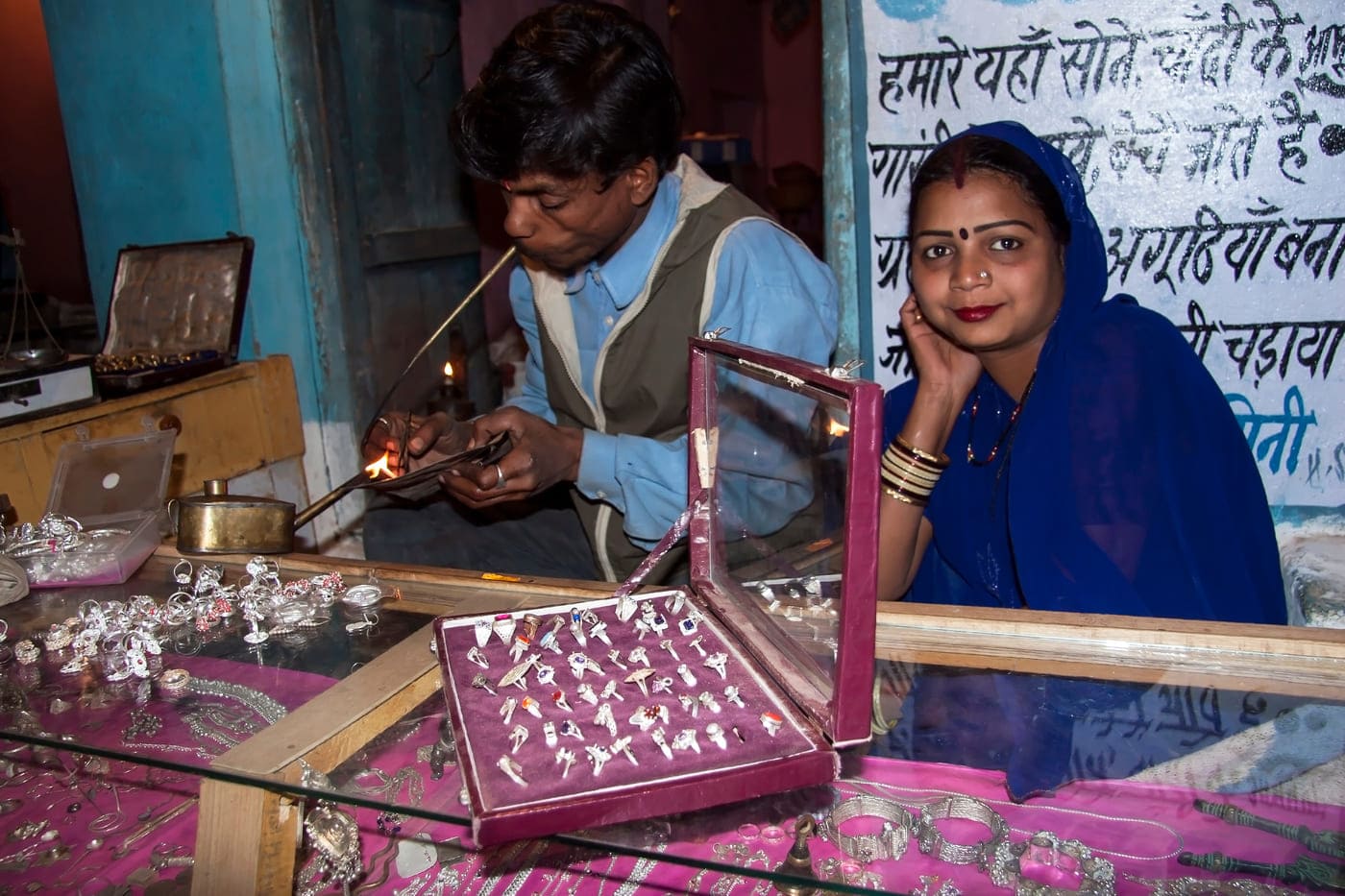
A jeweller melts silver with expert precision, keeping Orchha’s traditional craftsmanship alive. © C. Welman
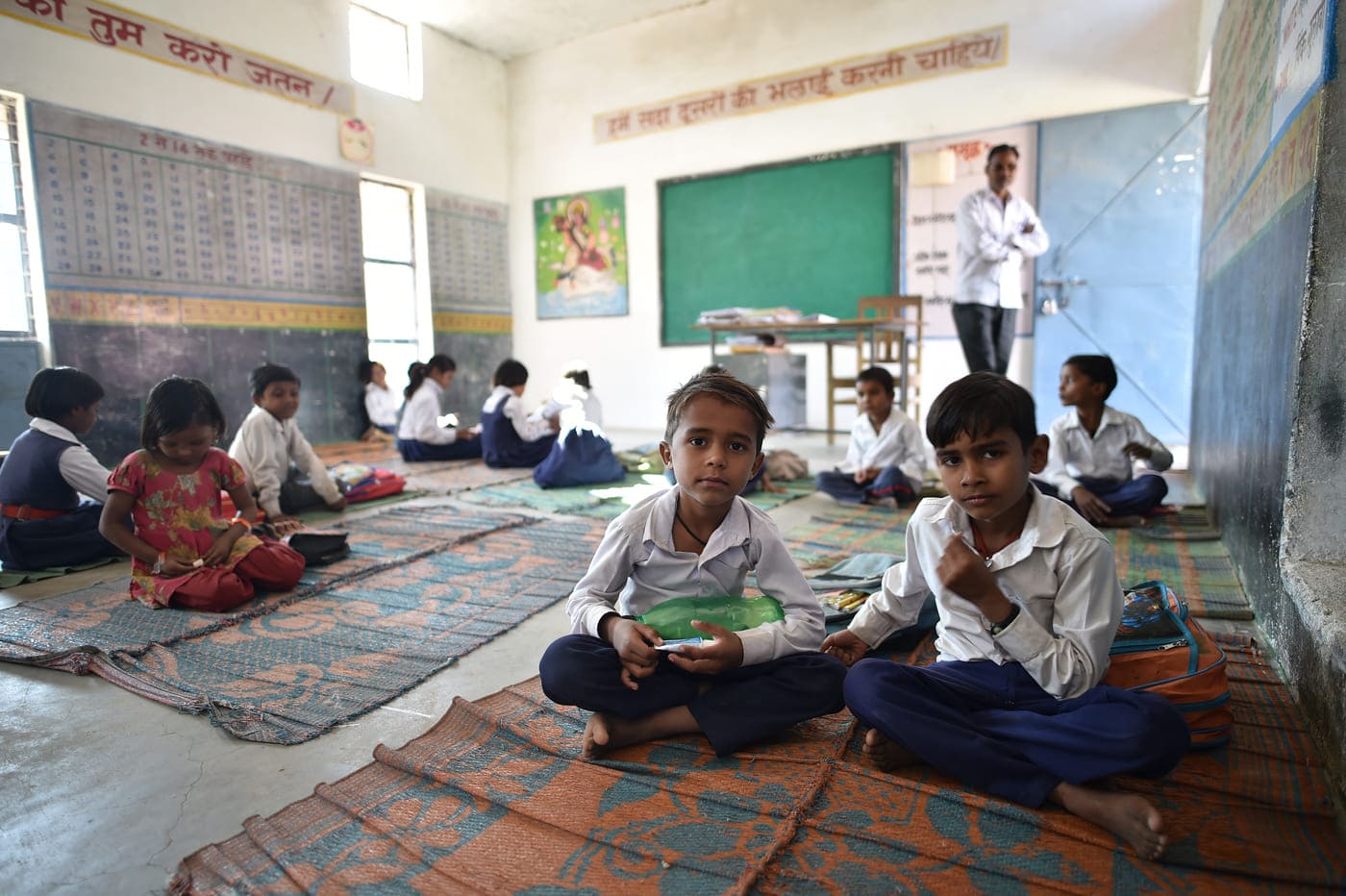
Students from a government school in Orchha head off to class—just another day filled with learning and laughter. © Mikkeell
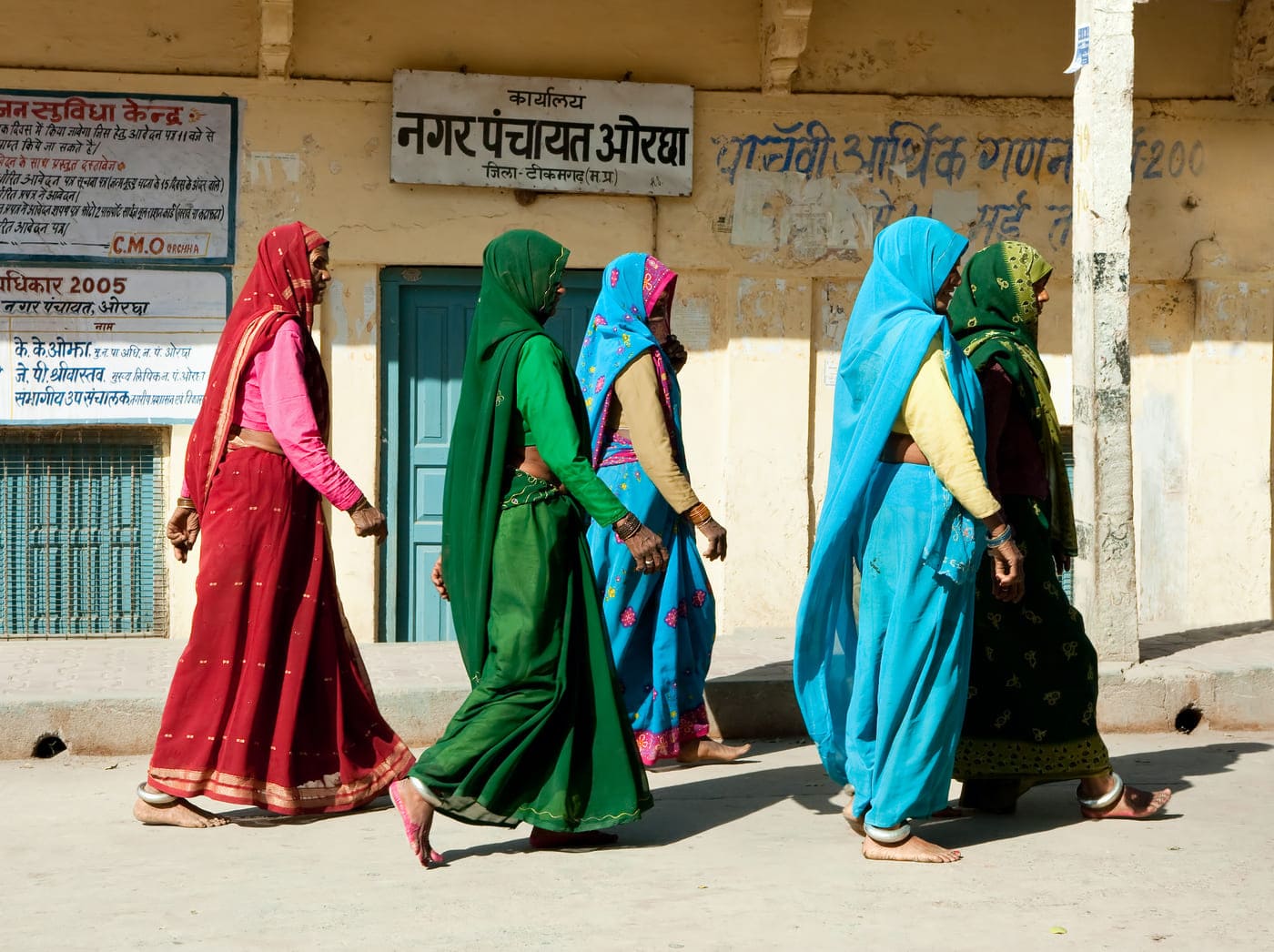
Indian women dressed in bright, beautiful saris walk through Orchha town, adding a burst of color to its historic streets. © Aleksandar Todorovic
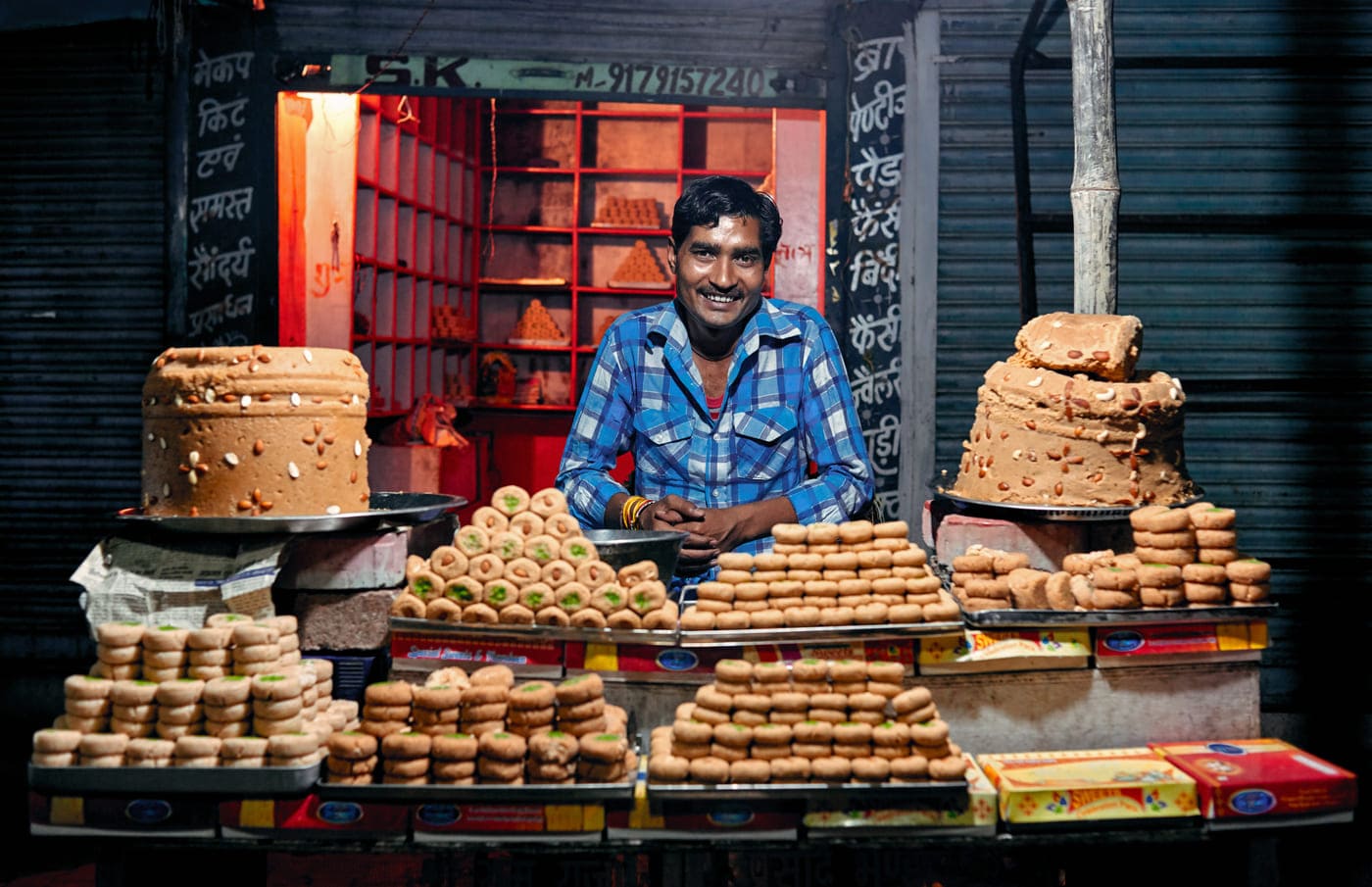
A vendor sells freshly made barfi, a traditional milk sweet, at the bustling market in Orchha. © Vasily Gureev
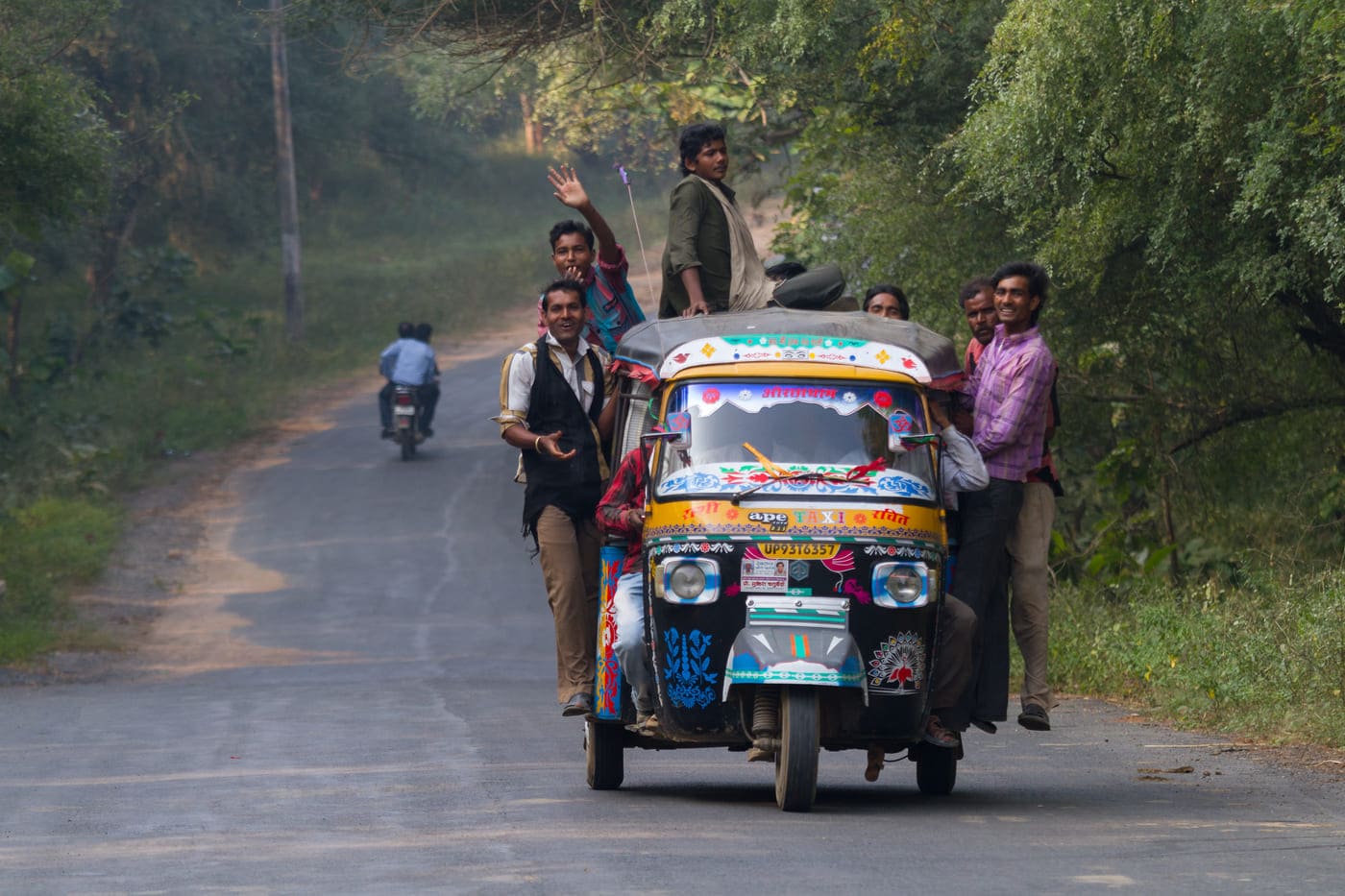
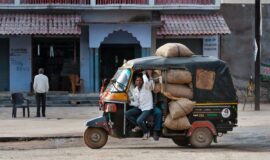
A packed auto-rickshaw weaves through the streets of Orchha, capturing the lively spirit of the town. © Seng Kit
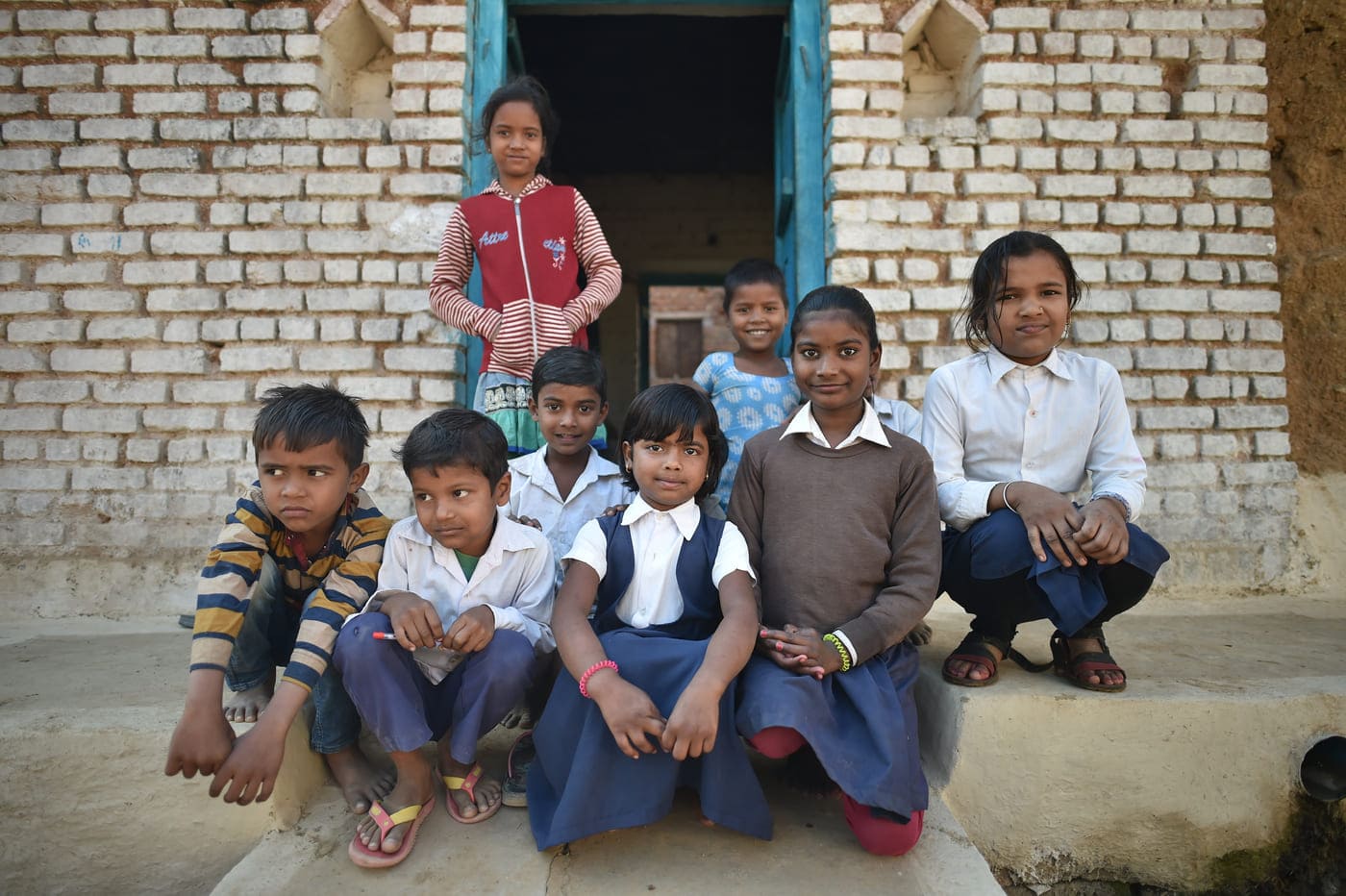
Smiling children pose happily outside their home near Orchha, their joy brightening the neighborhood. © Mikkeell
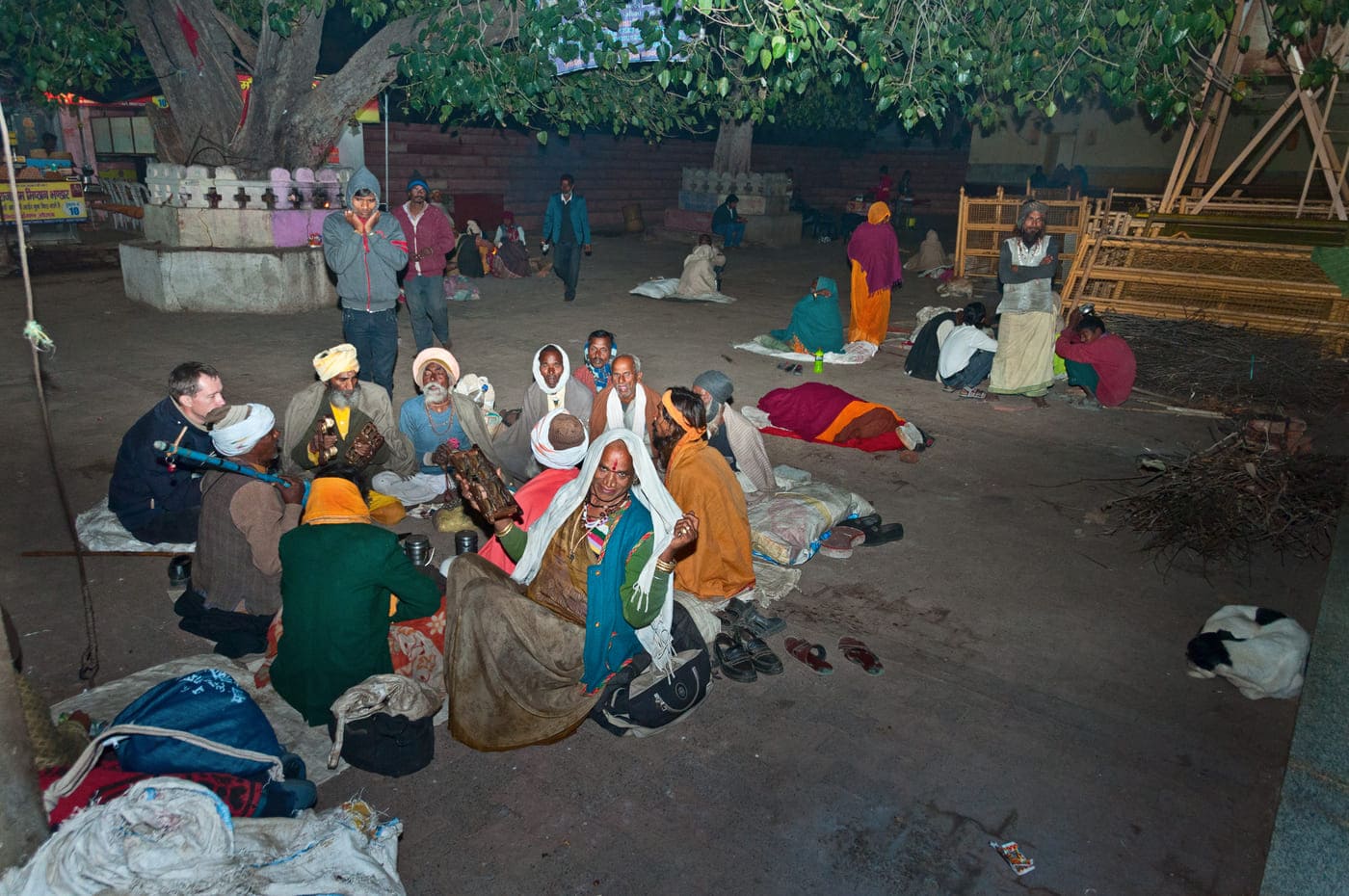
A group of sadhus sit together at night in Orchha, playing musical instruments and enjoying moments of devotion and camaraderie. © Elena Odareeva






![Golden Triangle Tour with Goa [Culture + Beach Vacation] (12 days)](https://www.vacationindia.com/wp-content/uploads/2022/06/golden-triangle-tour-with-beach-vacation-270x160.jpg "Golden Triangle Tour with Goa [Culture + Beach Vacation] (12 days)")




are u sure about the photos of Ganesh darwaza, the photo is taken in which year