
Shiva: The Destroyer, the Creator, the Eternal Cycle
Shiva is the god of endings and beginnings—the divine force who destroys only to make way for rebirth. In the Kathmandu Valley and across South Asia, his presence is everywhere: powerful, mysterious, compassionate, and awe-inspiring all at once. He appears under many names and forms:
• Bhairav, the fierce protector,
• Mahadeva, the Great God,
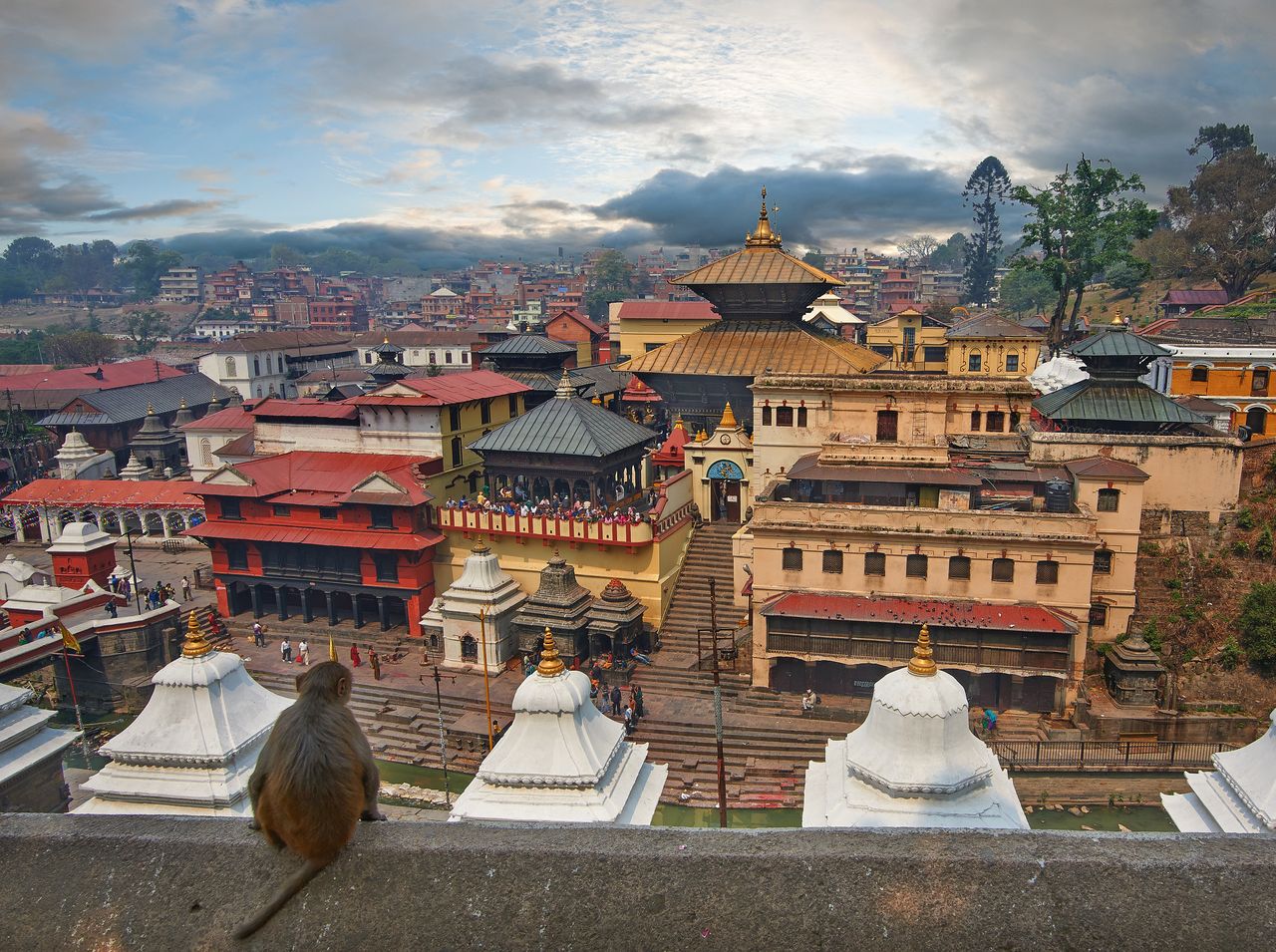
• Pashupati, Lord of Animals, revered deeply at Kathmandu’s sacred Pashupatinath Temple.
In art and sculpture, Shiva is often shown as a serene, light-skinned figure with five faces, four arms, and the iconic third eye glowing at the center of his forehead, symbolizing inner vision. His throat—the legendary blue neck—reminds worshippers of the moment he swallowed poison to save the universe. In his hands, he carries the trishula, a trident symbolizing creation, preservation, and destruction, and the damaru, a drum whose heartbeat-like rhythm is said to have sparked the very creation of the cosmos.
Beside him stands Nandi, the divine bull—Shiva’s loyal mount and a beloved symbol of strength, fertility, and devotion. And never far from the god is his son, Ganesh, the elephant-headed remover of obstacles, whose gentle presence balances Shiva’s cosmic force.
At times, Shiva is shown as an ascetic sage, deep in meditation—an image that comes alive each year in February or March, when thousands of wandering holy men known as sadhus travel to Pashupatinath to celebrate his birth during the vibrant festival of Maha Shivaratri. On this night, the temple becomes a river of devotion, firelight, chanting, and sacred rituals as tens of thousands gather to honor the god who governs both life’s endings and its divine beginnings.
Shivaratri is one of the most important Hindu festivals in the region, transforming Pashupatinath into a living tapestry of faith, color, mysticism—and the eternal energy of Shiva himself.
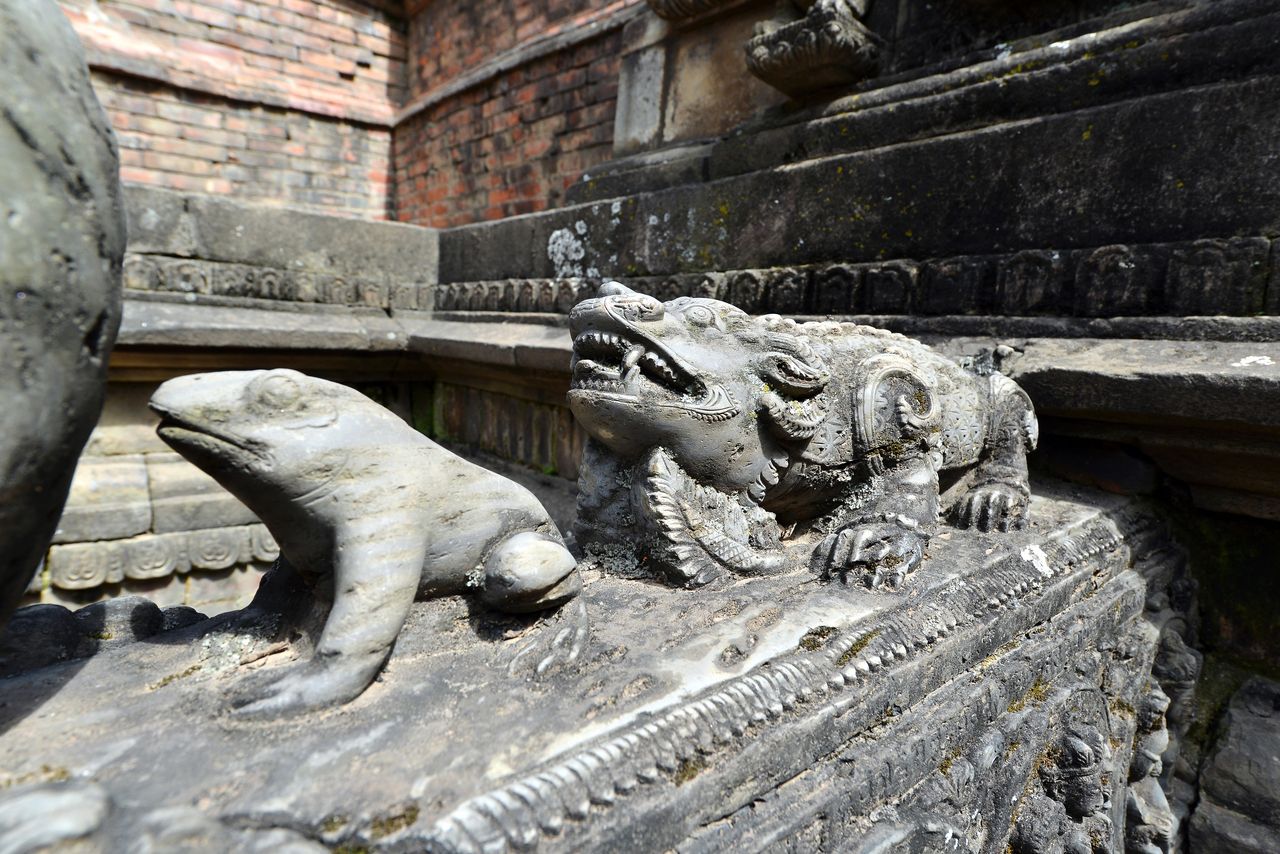
A stone-carved water fountain stands quietly amid the Pashupatinath Complex, a reminder of Nepal’s resilience. Though the 2015 earthquake caused significant destruction across the valley, the sacred main temple survived with only a few hairline cracks—an enduring symbol of faith and strength. © salajean
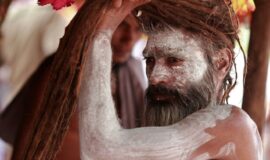
At Pashupatinath, Shiva is worshipped every day in his most sacred form—Lord Pashupati, embodied as a lingam, symbolizing the creative energy of the universe. The temple is alive with the presence of sadhus, their faces smeared with ash and their hair coiled in wild locks. But travelers should know: while many of these wandering holy men are genuine ascetics, others don the look mainly to pose for photographs and earn a few rupees from the stream of visitors who pass through.
Located just 5 km (3 miles) east of downtown Kathmandu, and not far from the airport, the sprawling temple complex is easily reached by taxi, bicycle, or even on foot if you’re coming from nearby Boudhanath. The walk between the two sacred sites winds through serene pathways and quiet neighborhoods—a peaceful journey between two of the holiest places in the valley.
Although non-Hindus cannot enter the inner sanctuary, there are still excellent vantage points. From the hill behind the main courtyard or from the forested balcony across the Bagmati River, visitors can observe temple rituals, devotees in prayer, and the vibrant rhythm of daily worship unfolding within the complex.
Long before the shimmering triple-roofed temple we see today—built over 300 years ago—there were shrines on this very site. Over centuries, the complex expanded to include dharmsalas (rest houses for pilgrims) and several cremation ghats lining both banks of the Bagmati. One platform is still reserved exclusively for members of Nepal’s former royal family.
It is not uncommon to witness a funeral ceremony at the ghats—solemn, reverent, and deeply rooted in Hindu tradition. While the Bagmati’s waters may appear muddy and its flow weak at times, it remains profoundly sacred, for it ultimately merges with the holy Ganges. Visitors may quietly observe these rites from above, but photography is discouraged to honor the dignity of the moment.
Pashupatinath is many things at once—sacred, raw, ancient, and deeply human. To walk its paths is to glimpse the spiritual heart of Nepal.
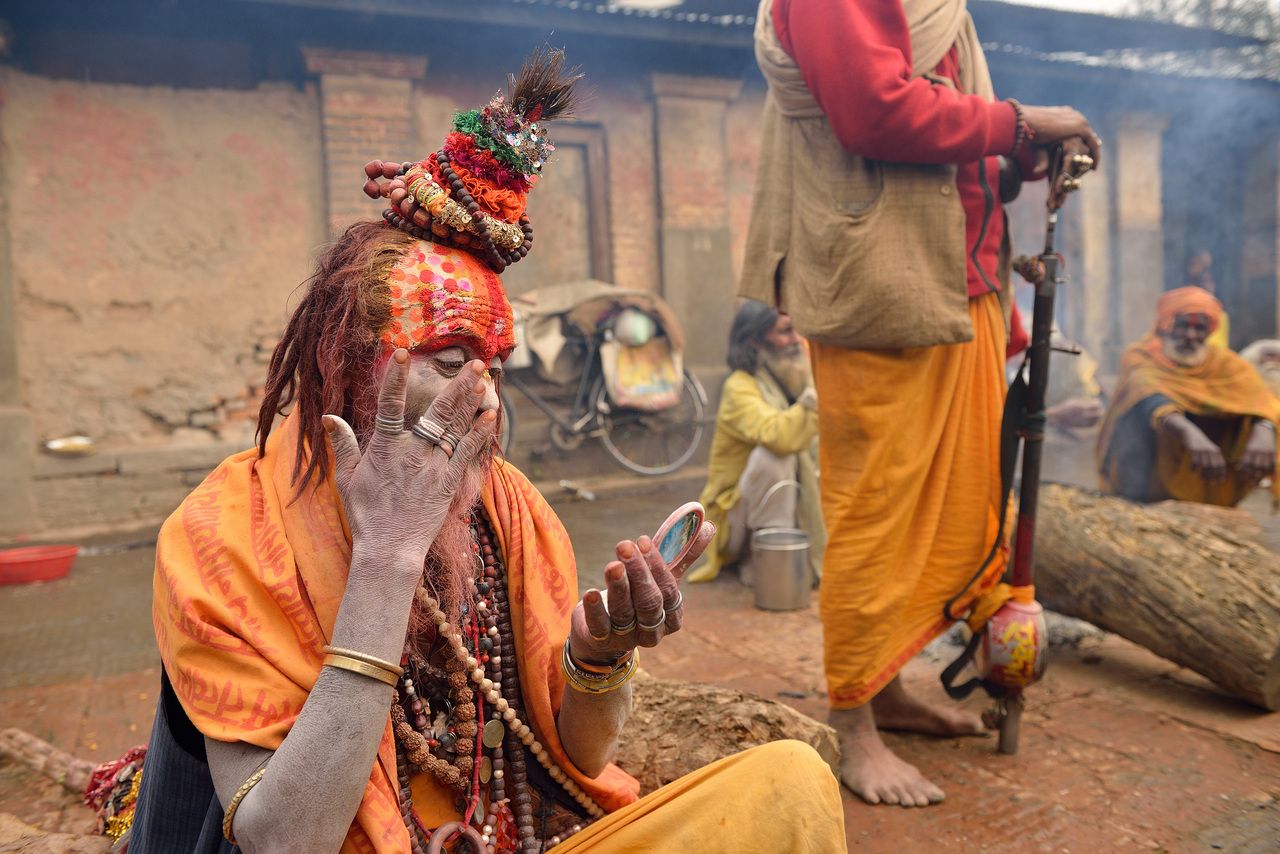
Sadhus—Hindu holy men draped in ochre cloth—prepare for deep meditation at Pashupatinath. Having renounced worldly life, they sit in calm concentration, their painted faces and serene expressions embodying centuries of spiritual tradition. © think4photop
Even today, the Bagmati River remains a place of deep ritual significance. Married couples still bathe together in its waters, believing that this shared purification will bind them to one another not only in this life, but also in the next. Though the ancient and tragic practice of sati—in which widows sacrificed themselves on their husbands’ funeral pyres—was outlawed in the early 20th century, its echoes linger in stories and traditions that speak to the river’s enduring spiritual gravity.
For many devotees, bathing in the Bagmati is part of essential ritual purification, a symbolic washing away of impurities before stepping into the sacred spaces of Pashupatinath. Throughout the year, the ghats come alive with a blend of solemnity and everyday joy—priests performing rites, worshippers immersing themselves in prayer, and children laughing as they splash in the water, blissfully unaware of the weight of tradition around them.
One of the most vibrant celebrations is the three-day Teej festival, held between August and September. During this beloved women’s festival, hundreds of women dressed in brilliant red and shimmering gold saris gather at Pashupatinath. They sing, chant, dance, and offer prayers for the well-being of their husbands and families. The entire riverside transforms into a dazzling tapestry of color, devotion, and sisterhood—a joyous contrast to the temple’s more somber rituals.
At Pashupatinath, the river is never just water. It is laughter and longing, devotion and release, tradition and transformation—all flowing together in a place where life and spirituality meet.
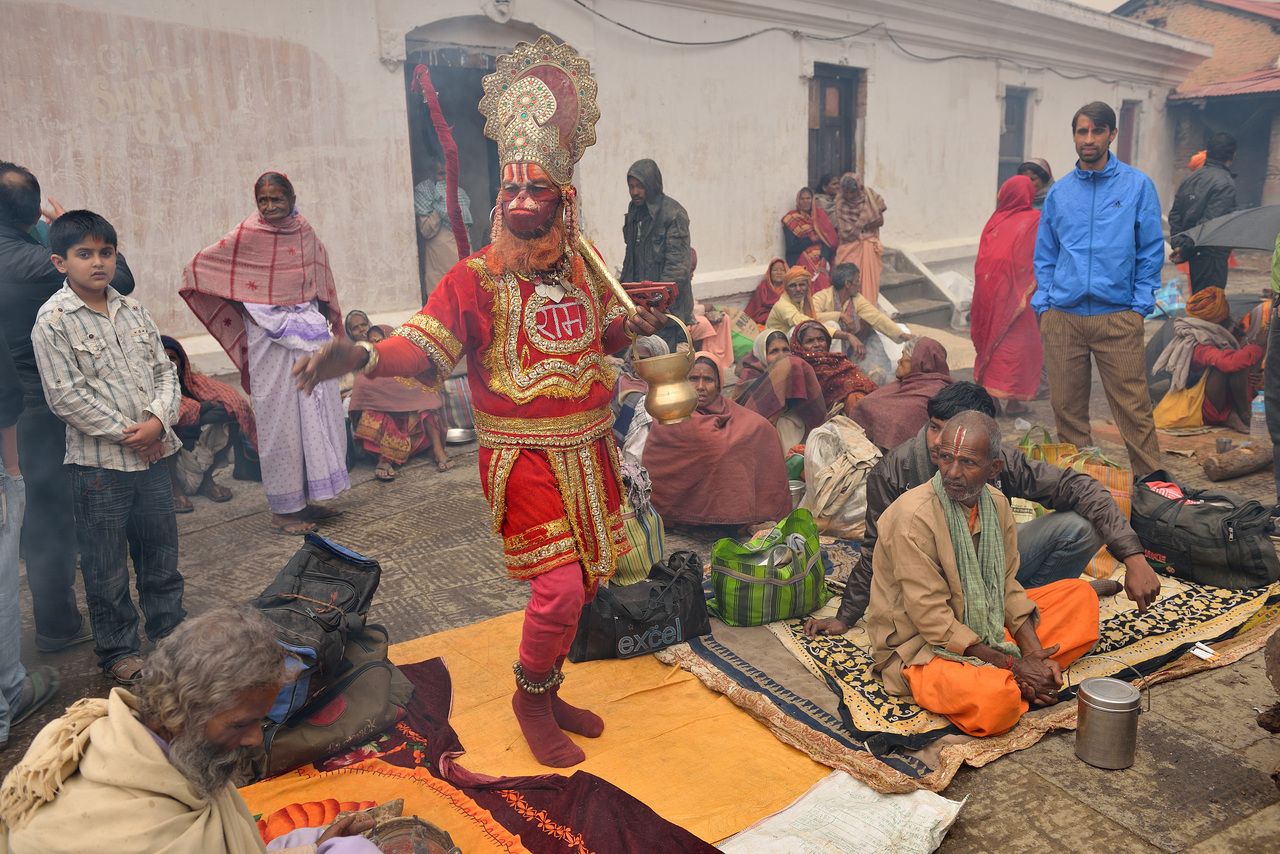
A Hanuman sadhu, channeling the beloved monkey deity, performs sacred rituals within the temple grounds. His expressive gestures and vibrant face paint echo the ancient Ramayana epic, keeping its legends alive. © think4photop
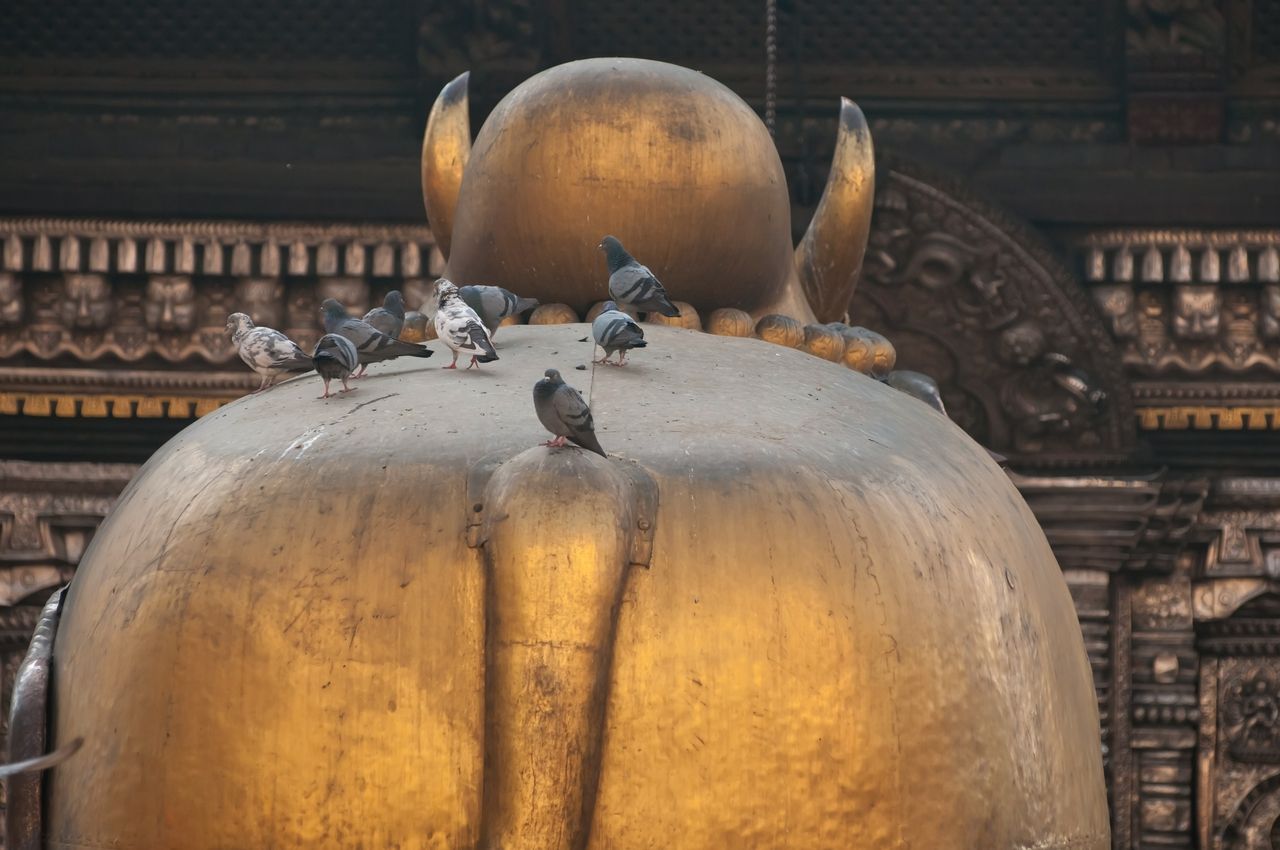
The golden back of Shiva’s sacred mount, Nandi the bull, glows in the sunlight, watching over Pashupatinath. More than a guardian, Nandi symbolizes devotion, purity, and unwavering loyalty to the deity he serves. © Kurkul
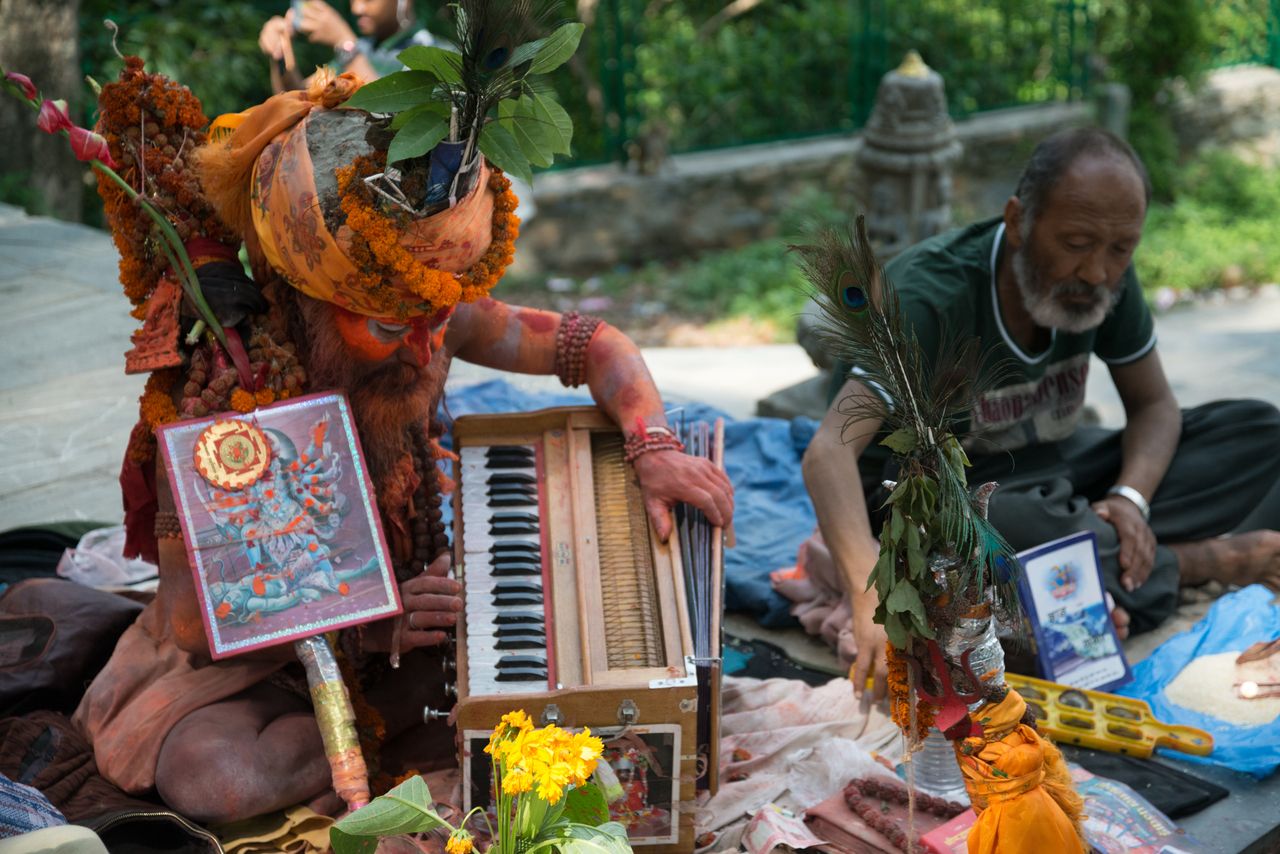
A holy man stands proudly in his saffron robes, his painted face reflecting years of devotion and spiritual discipline—a living symbol of mystical Hindu asceticism. © Pe3k
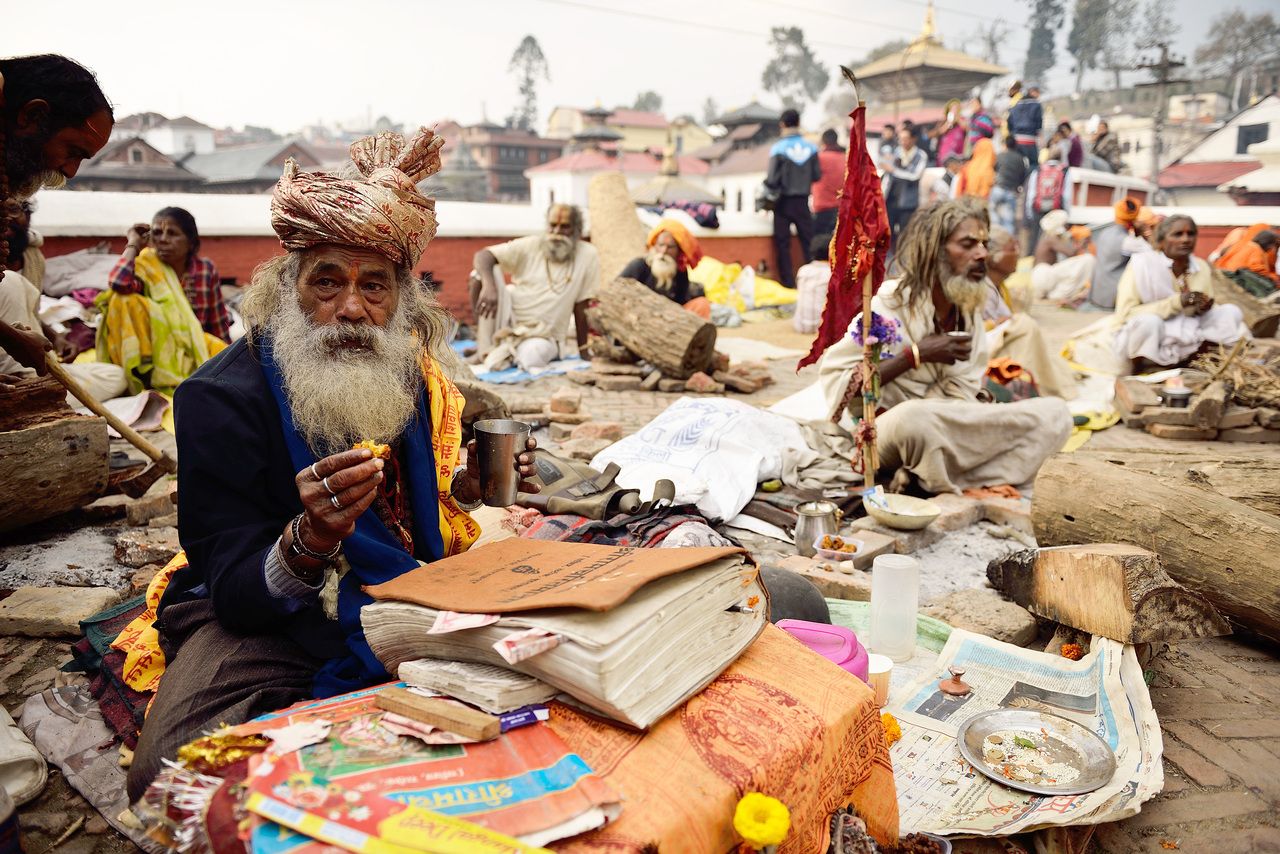
Sadhus gather along the Pashupatinath ghats, their presence blending spiritual austerity with the emotional weight of daily cremation rituals performed just steps away. © think4photop
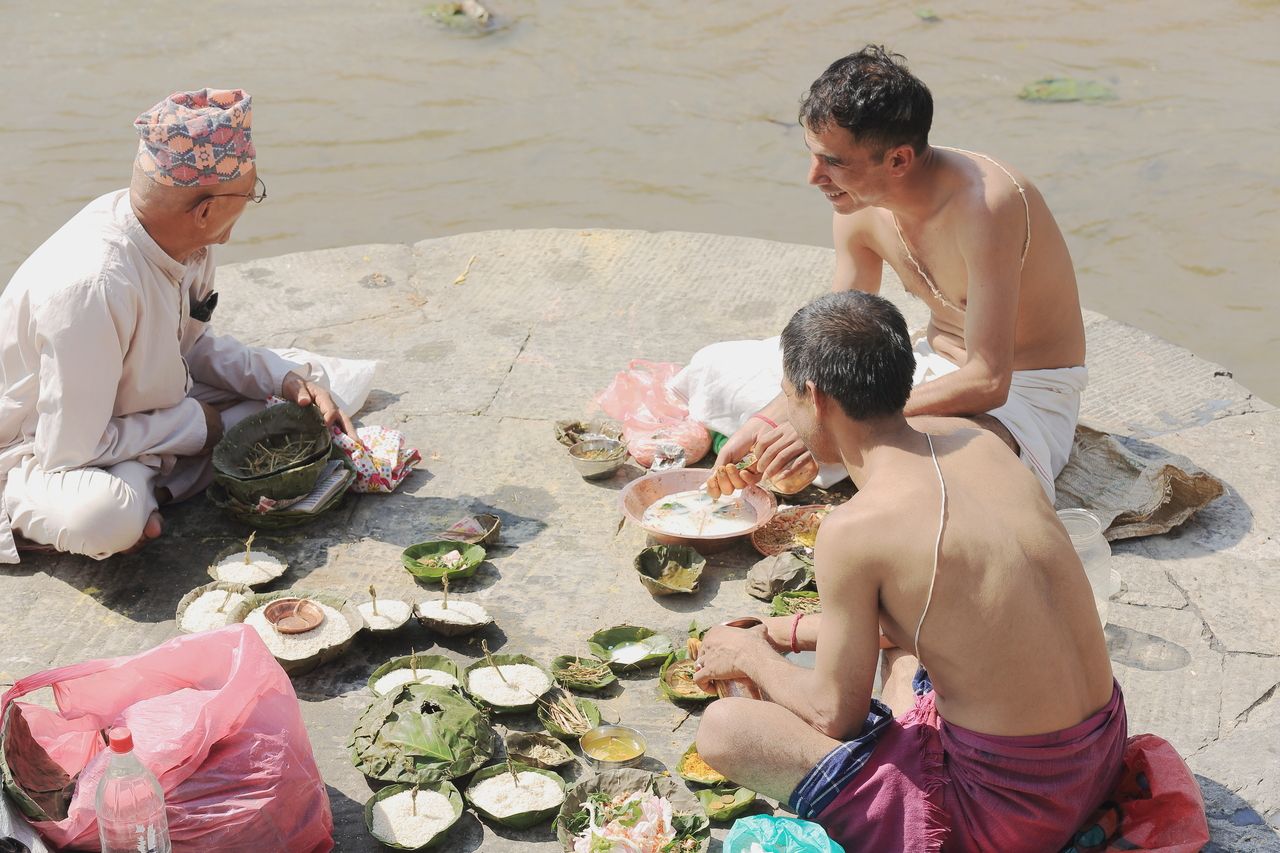
A Bhatta priest receives offerings of food from a devotee, performing rituals reserved only for those allowed to approach the deity directly. The Bagmati River flows quietly behind him—eternal witness to centuries of prayer and ceremony. © rweisswald
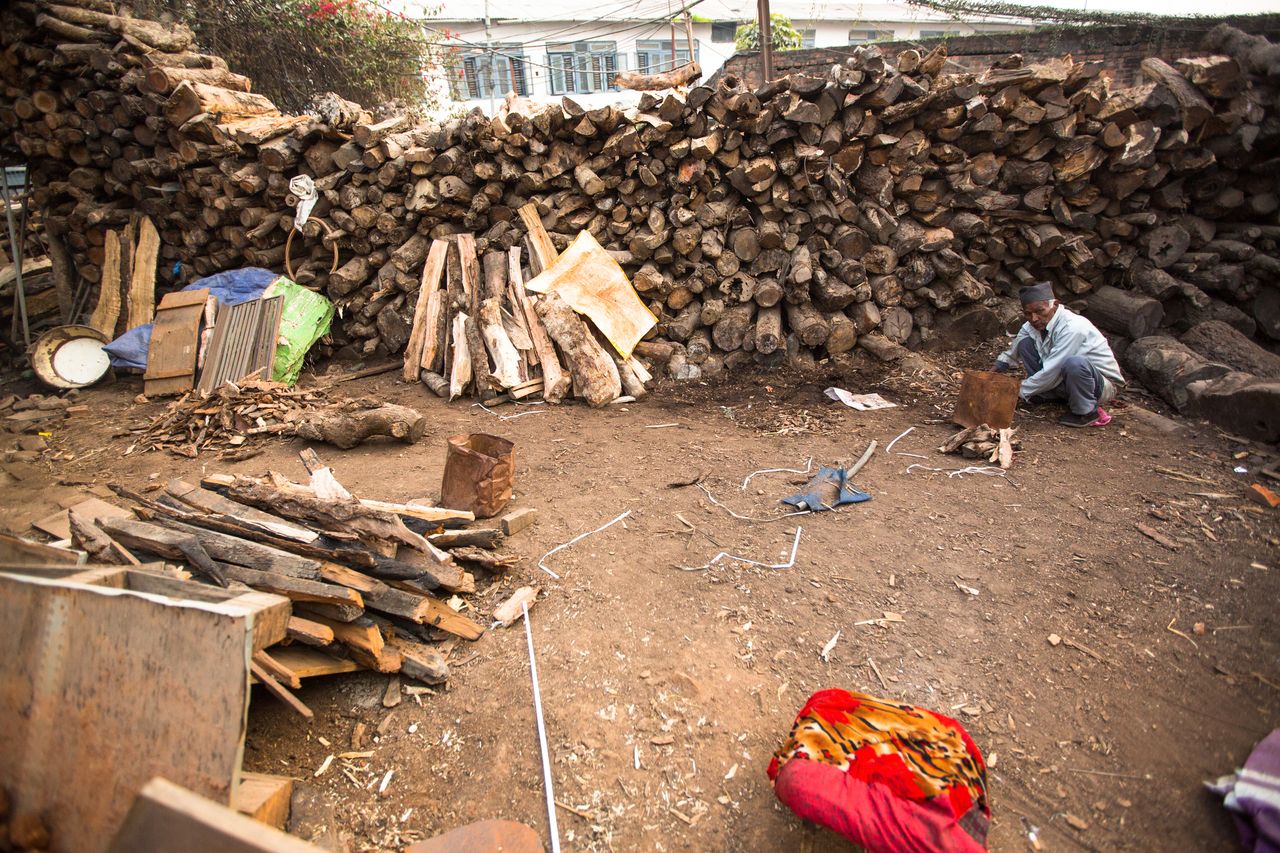
An elderly man stands near stacked funeral wood, a solemn reminder of the many cremations that take place at Bhasmeshvar Ghat. Life and death intertwine on these sacred riverbanks. © De Visu
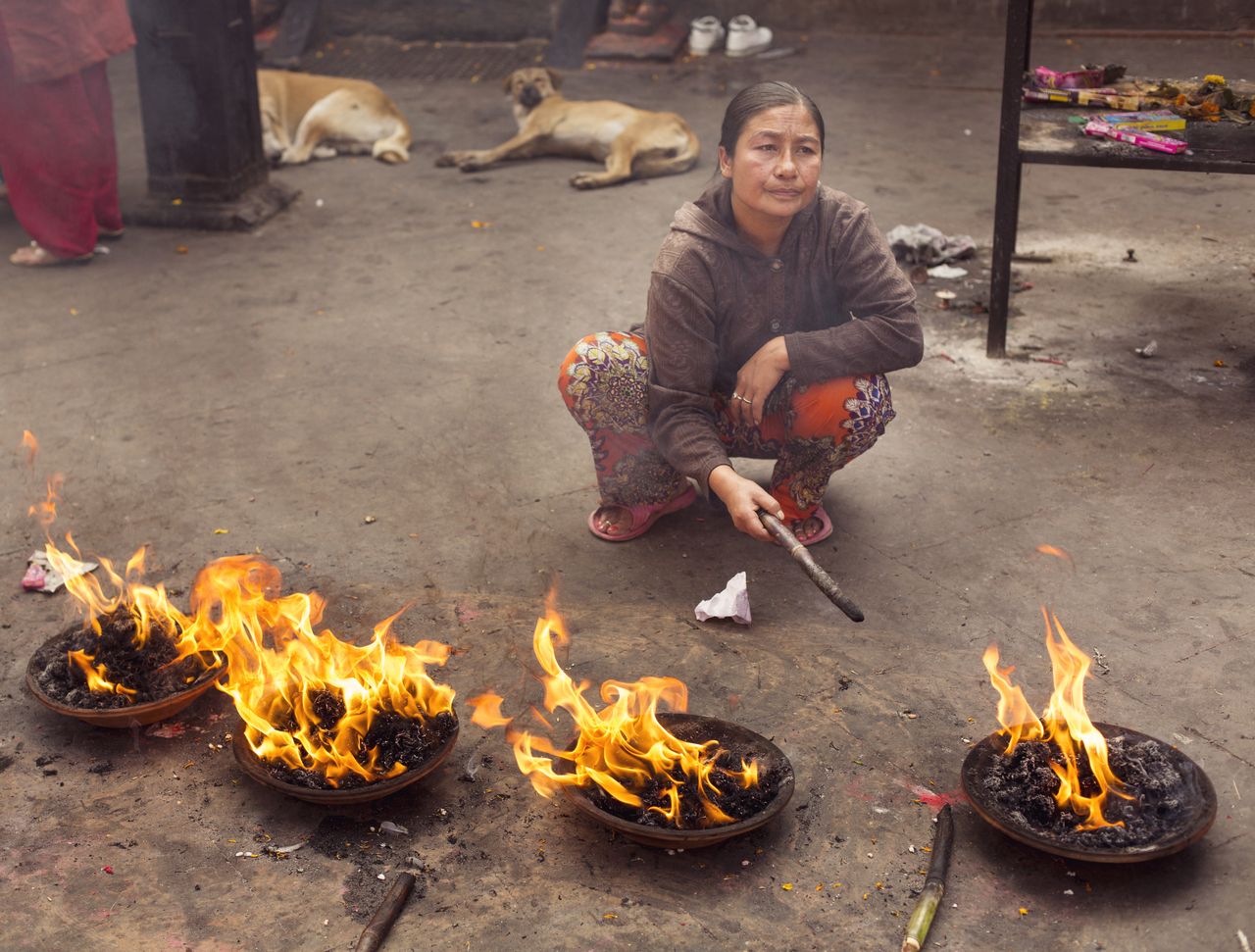
A woman performs her ritual prayers at a Kathmandu temple, her reverence adding to the soft murmur of devotion that fills the complex each day. © danm12
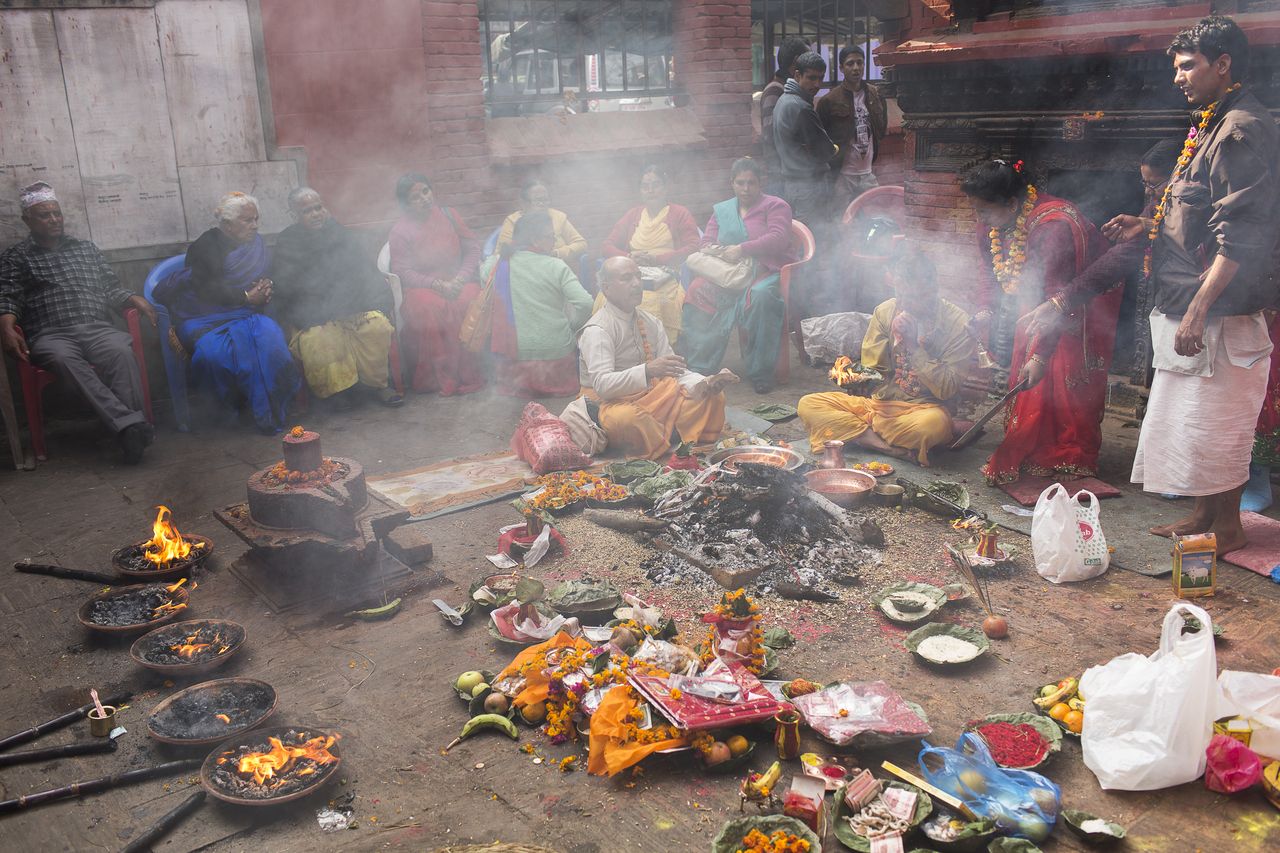
A group of Hindu devotees joins together in ceremony at Pashupatinath—the spiritual heart of Hindu Nepal—where chants and incense drift into the air in unison. © danm12
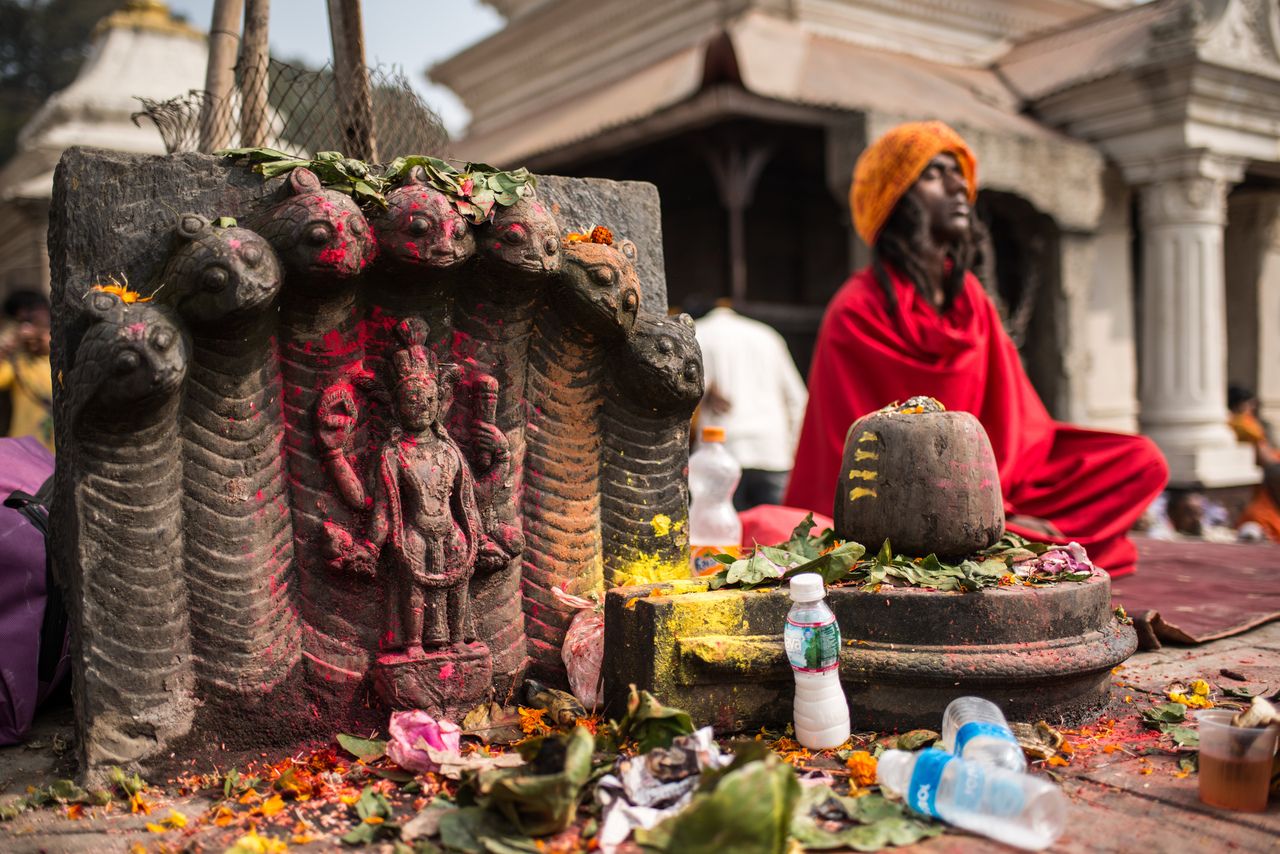
A yogi meditates beside a statue of Shiva during Maha Shivaratri, the great night dedicated to the deity. Fasting, prayer, and profound introspection mark this powerful spiritual festival. © Nitipol Temprim
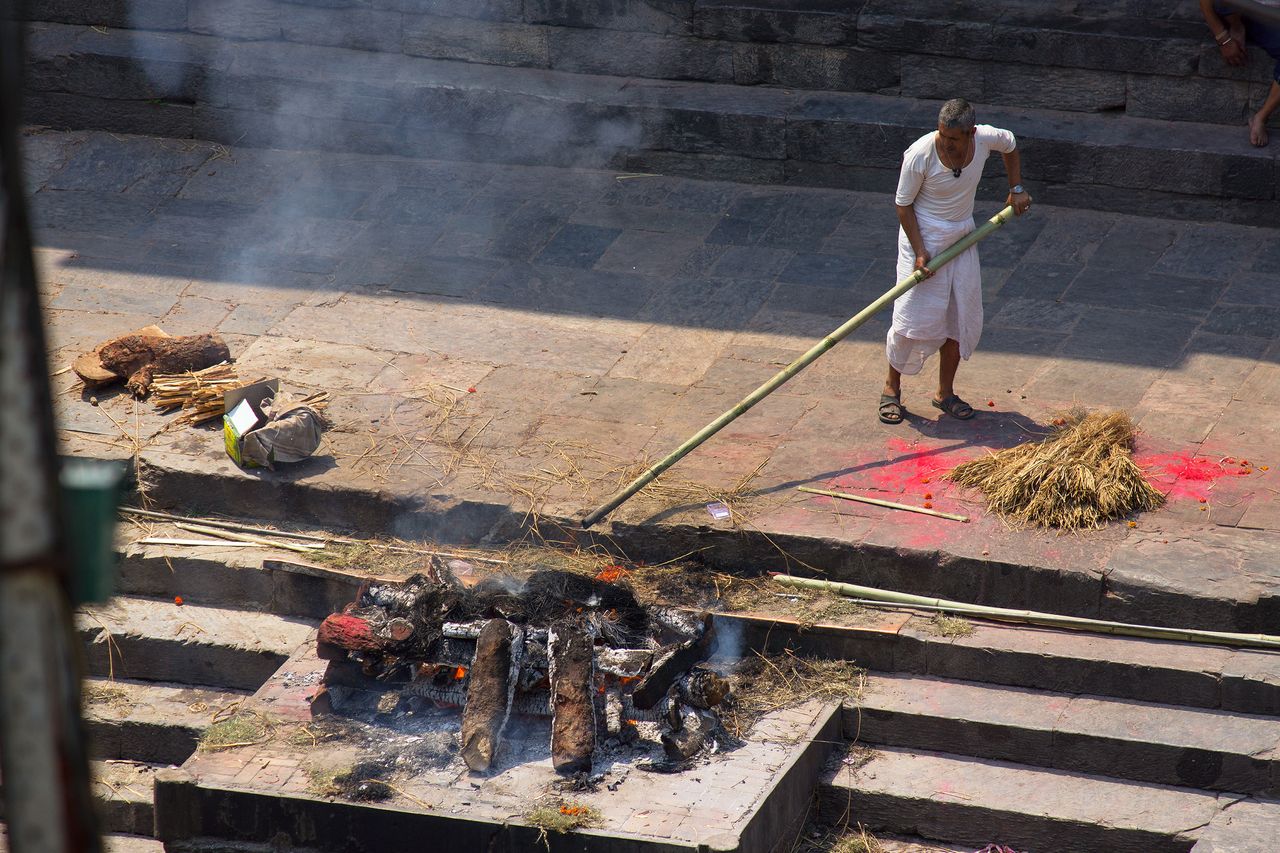
A man arranges wood for a cremation ritual at Pashupatinath’s Burning Ghat. Here, every piece of timber plays a role in guiding a soul toward liberation. © MOROZ NATALIYA
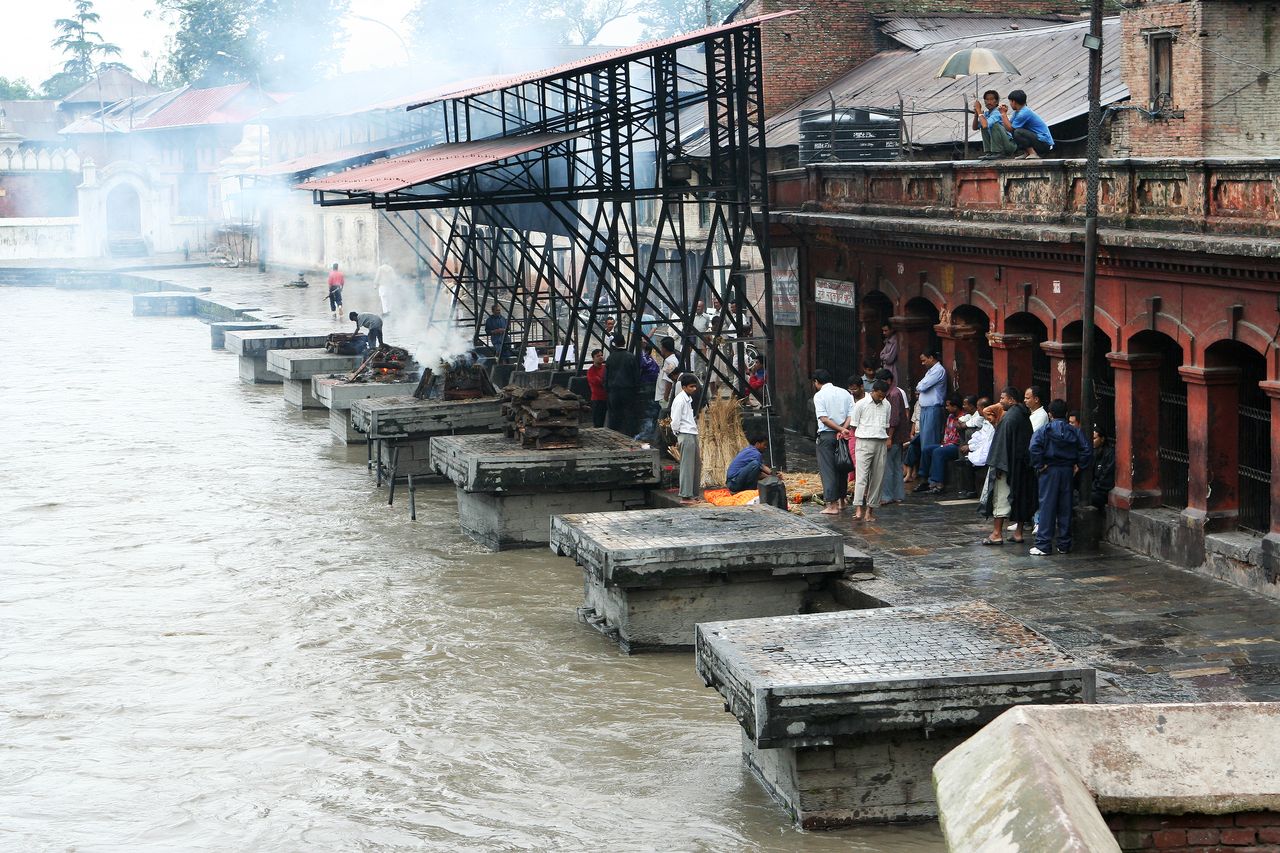
Smoke swirls above the Burning Ghat, rising like a prayer into the sky as families bid farewell to loved ones according to ancient traditions. © Liudmila Kotvitckaia
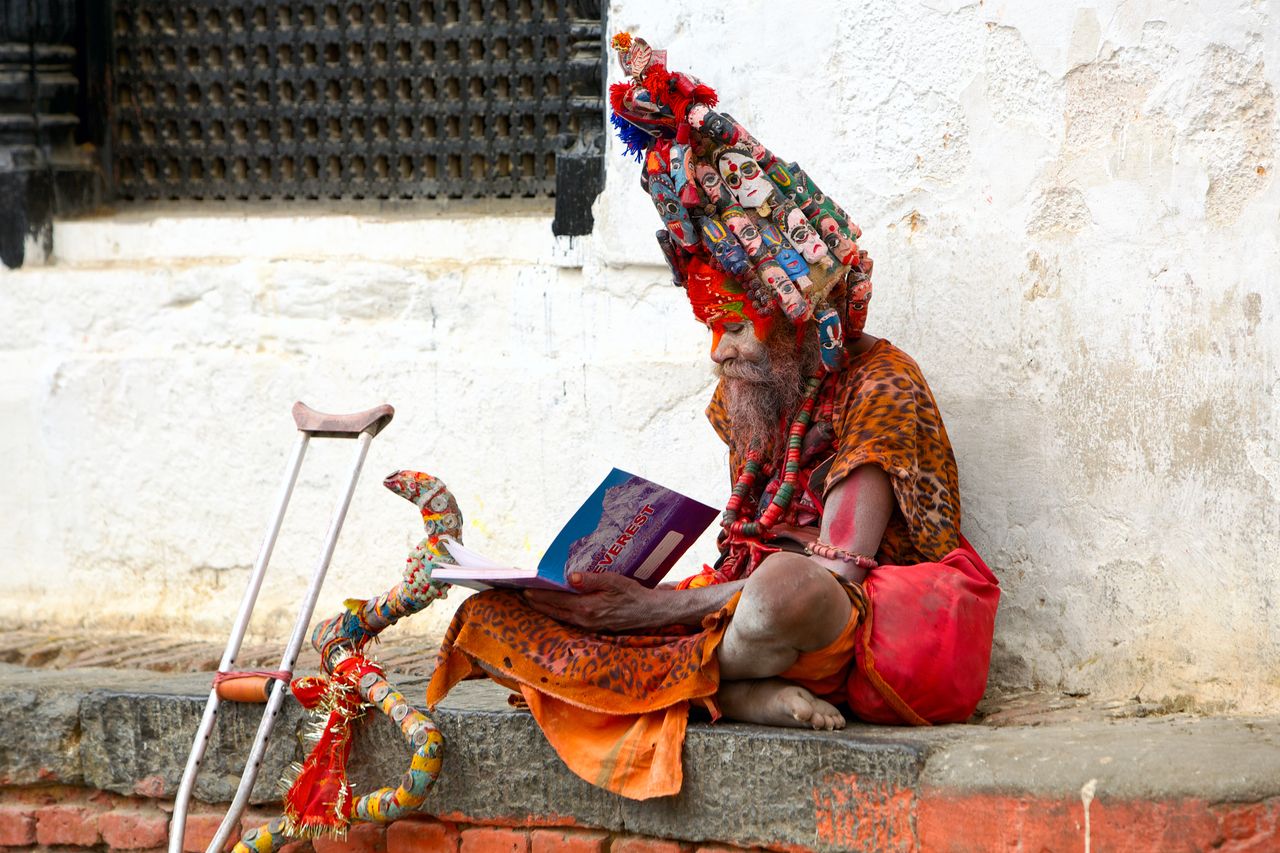
A colorfully painted sadhu flips through a book of Mount Everest photos, an unexpected moment of quiet curiosity amid the temple’s spiritual bustle. © dibrova
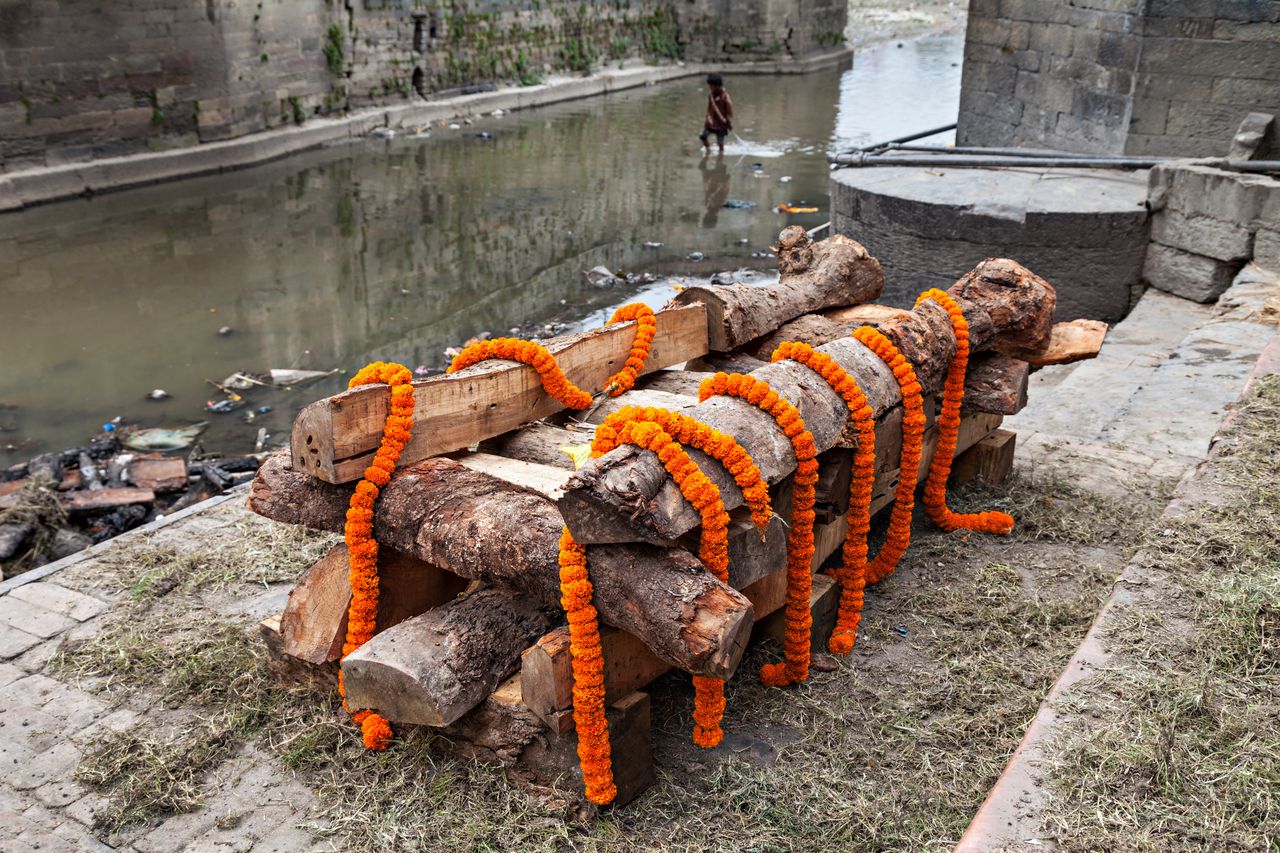
Preparations unfold for a cremation ceremony along the sacred Bagmati, where both Buddhists and Hindus have performed final rites for centuries. © saiko3p
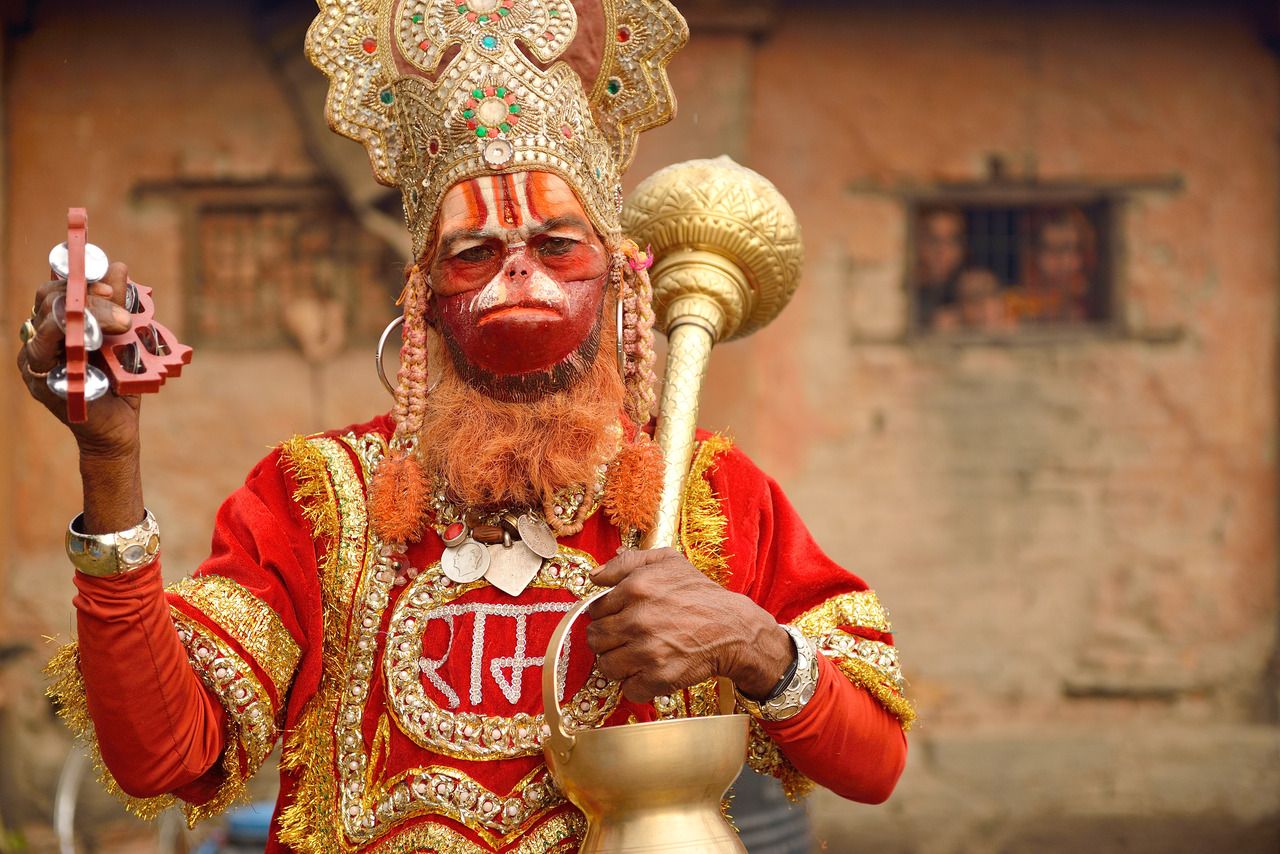
A Hanuman baba with vividly painted ‘monkey’ features celebrates the powerful deity Hanuman, protector and hero of the Ramayana. © think4photop
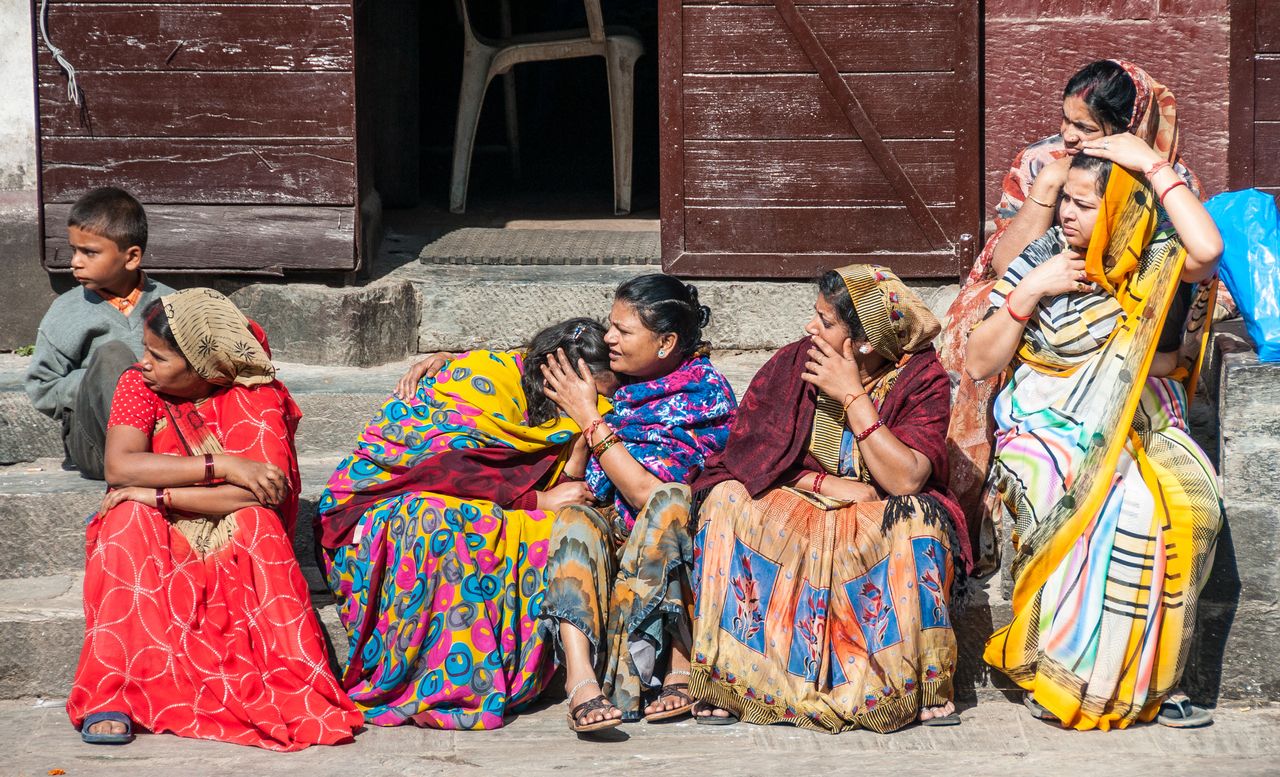
Hindu women gather at the Burning Ghat, offering heartfelt prayers and final goodbyes before a cremation begins—an intimate blend of grief, love, and faith. © MoLarjung
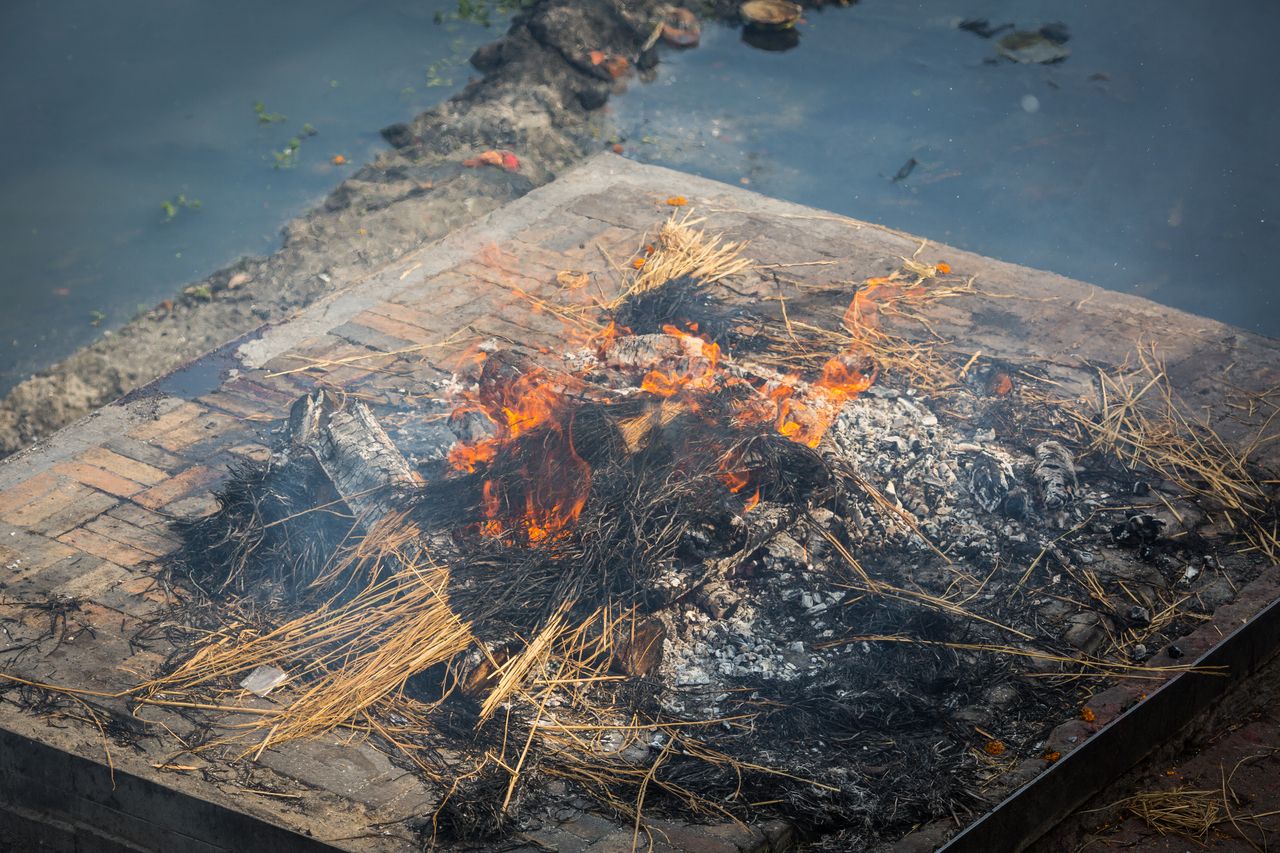
The Arya Ghat crematorium—Nepal’s largest—stands solemnly along the river, a place where ancient traditions continue uninterrupted across centuries. © sergemi
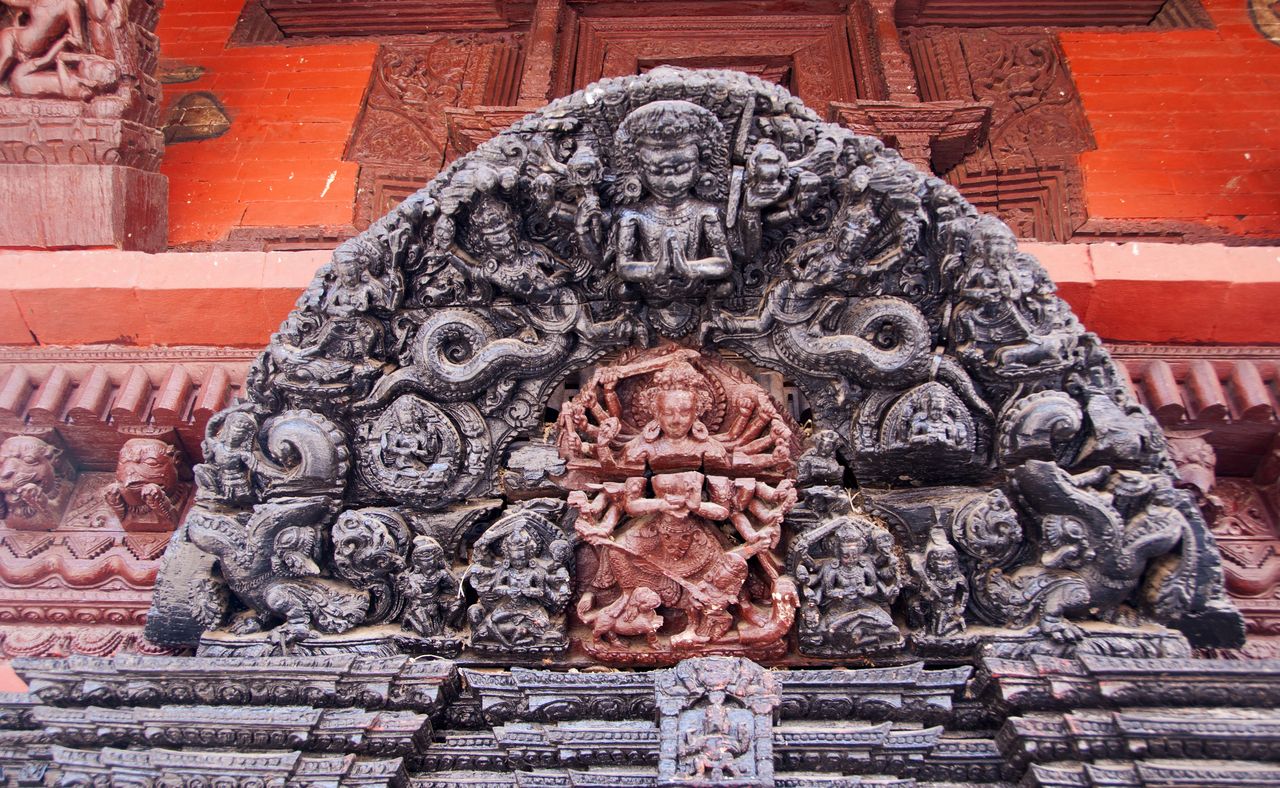
Intricate erotic carvings adorn the ancient temple’s wooden beams, showcasing the artistry and symbolism of centuries-old Nepali craftsmanship. © CRS PHOTO
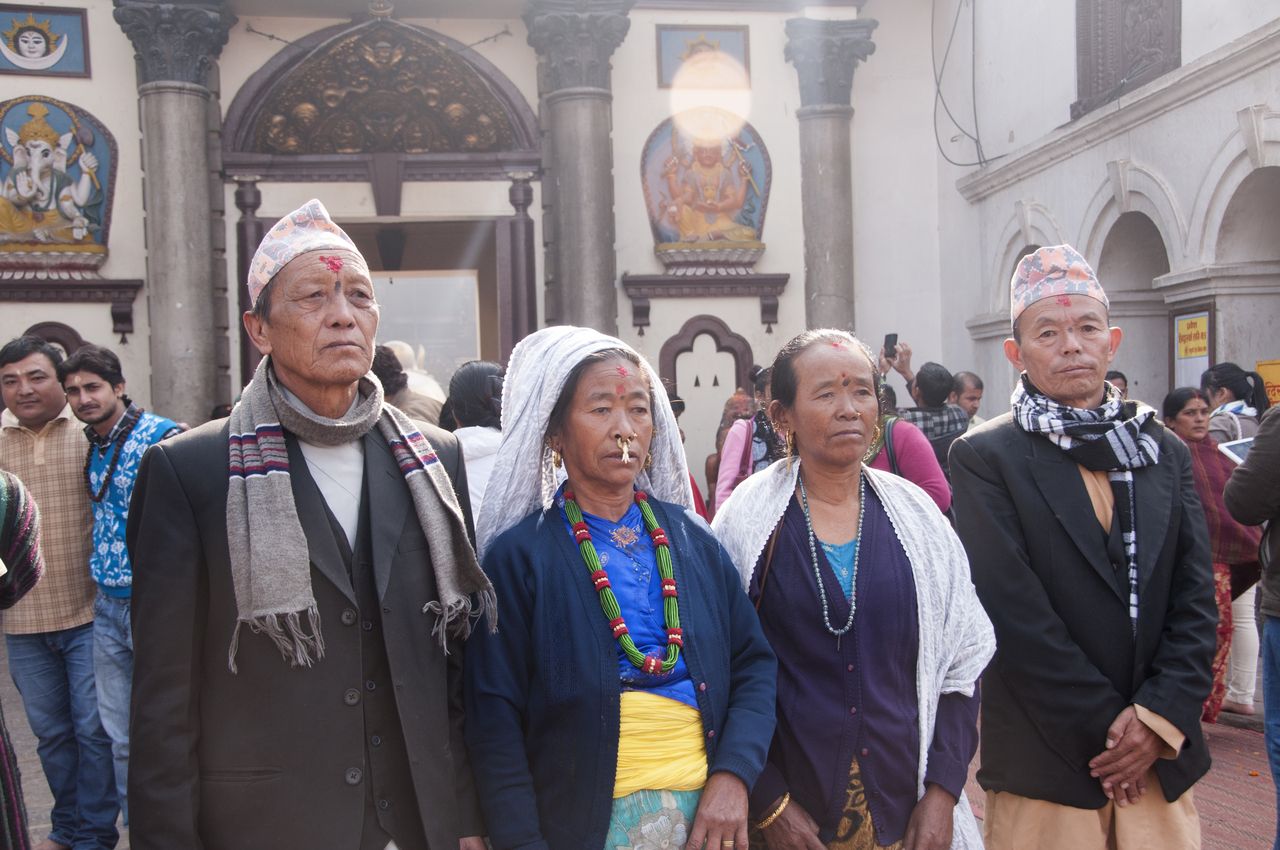
Groups of Hindu worshippers move through Pashupatinath’s massive complex, home to hundreds of shrines, inscriptions, and spiritual spaces. © CRS PHOTO
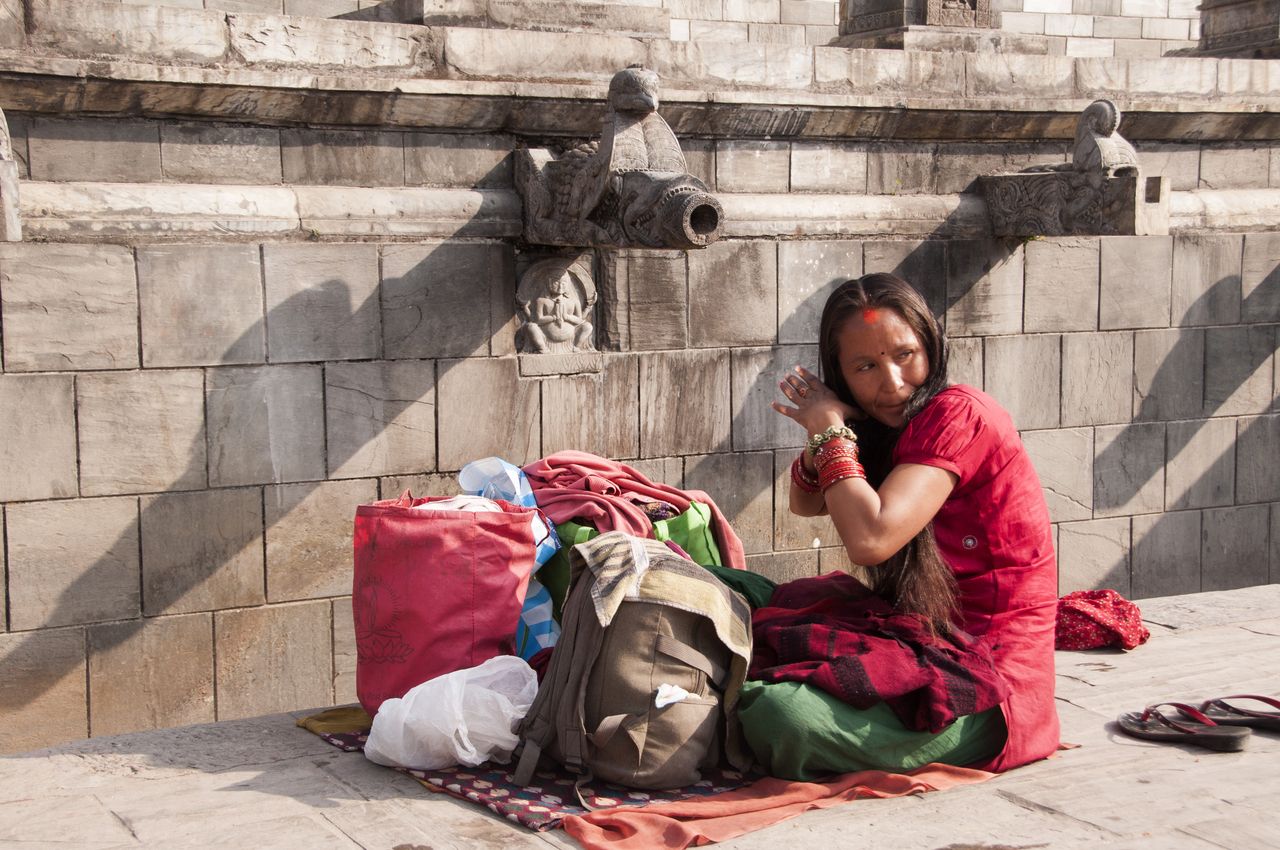
A female pilgrim draped in vibrant colors stands beside the Bagmati, honoring Shiva at one of the world’s holiest Hindu pilgrimage sites. © CRS PHOTO
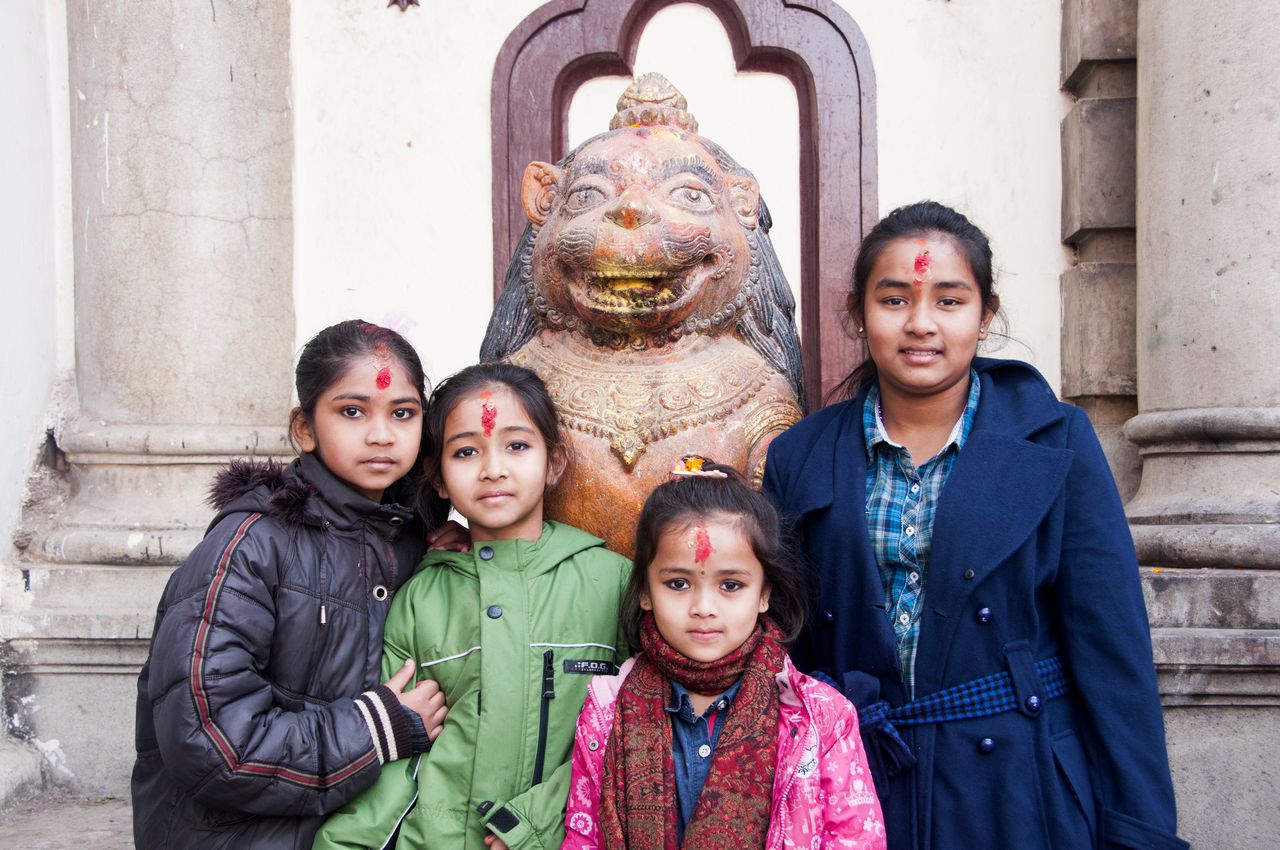
Children pose cheerfully in front of one of the temple’s many statues, blending youthful energy with the solemn beauty of Nepal’s oldest sacred grounds. © CRS PHOTO
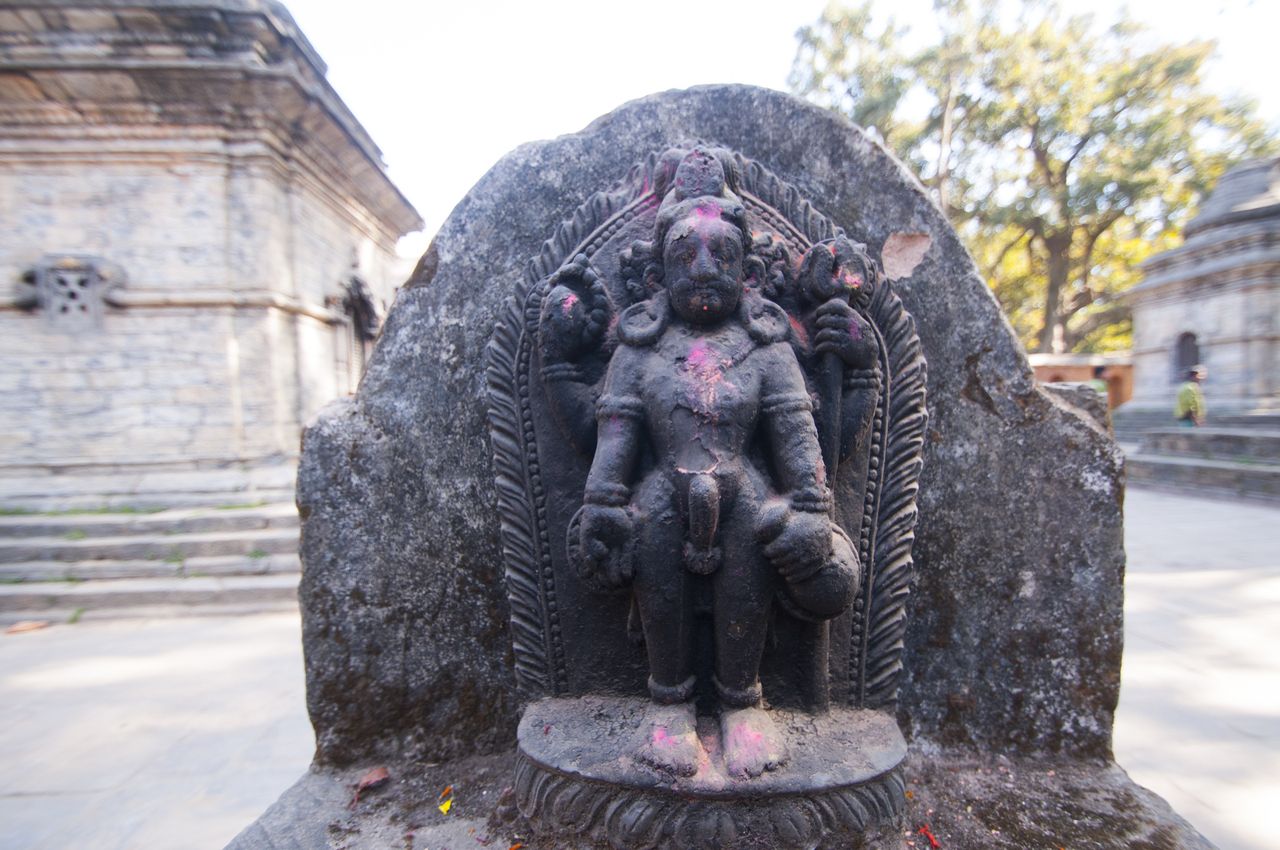
A sweeping view of Pashupatinath Temple reveals its striking sanctuaries, a revered site for millions of Hindu devotees worldwide. © CRS PHOTO
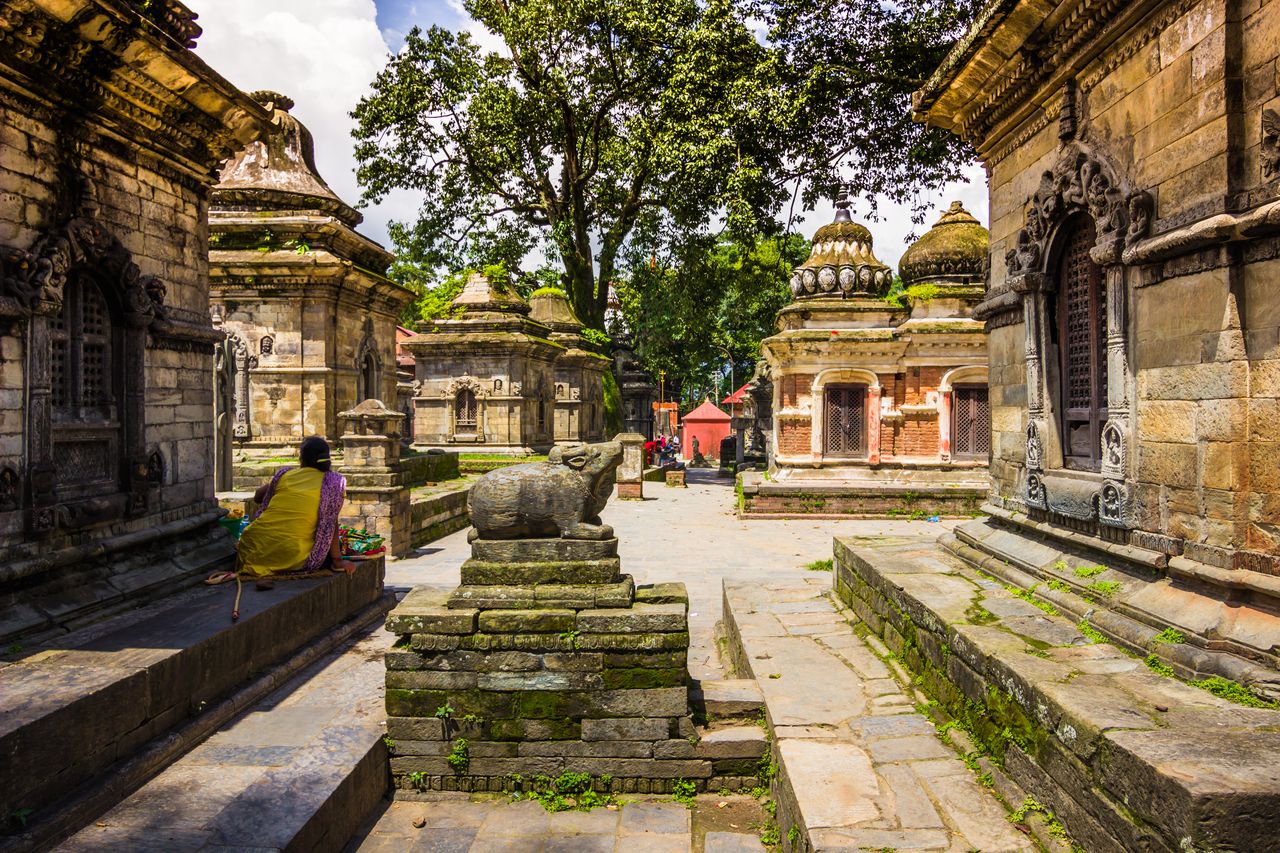
A woman bows in prayer within the sprawling temple complex, offering devotion to Pashupatinath—protector of the universe and guardian of Nepali culture. © RPBaiao
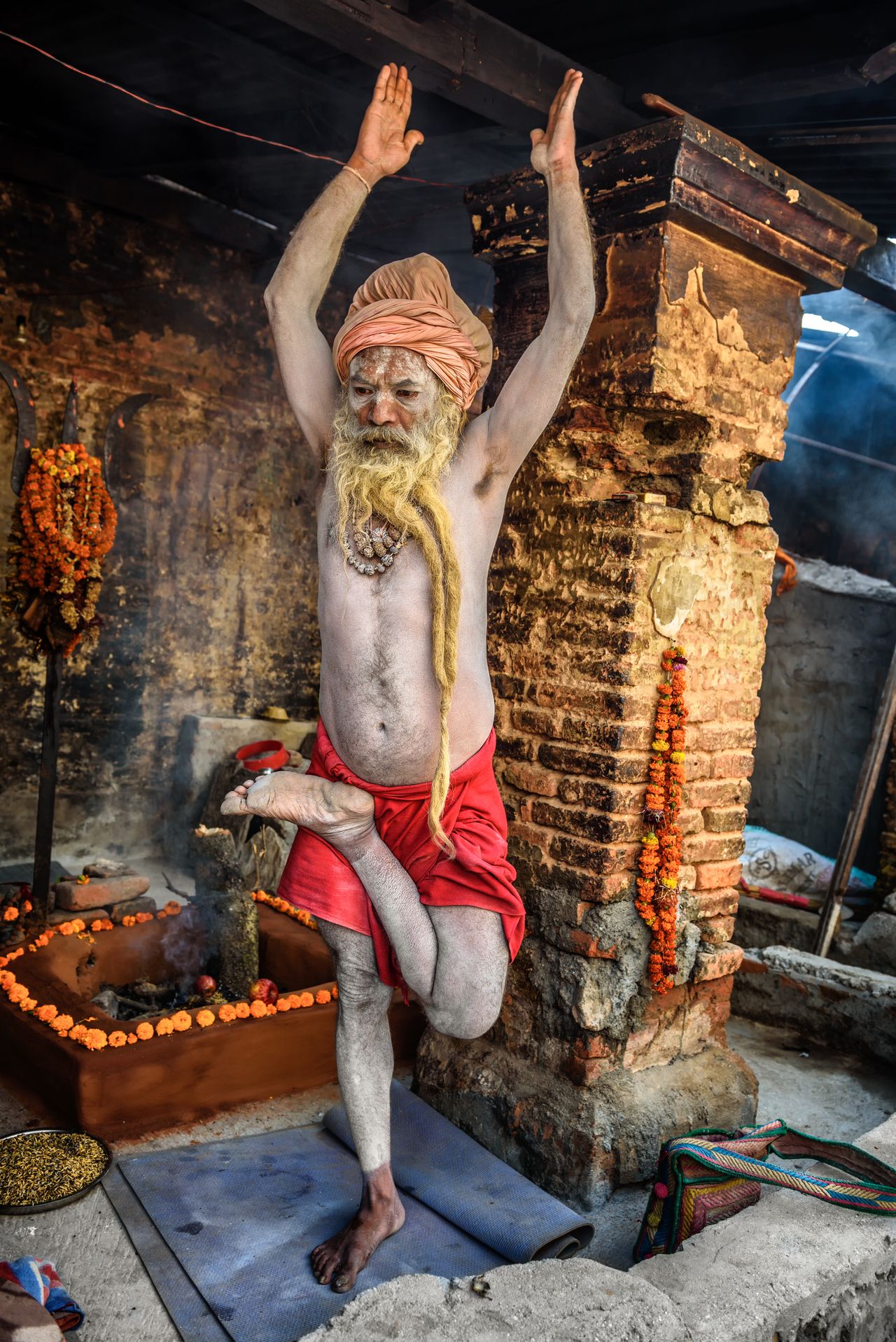
A long-bearded sadhu practices yoga, his movements precise and graceful, capturing the essence of spiritual discipline. © Nick Fox
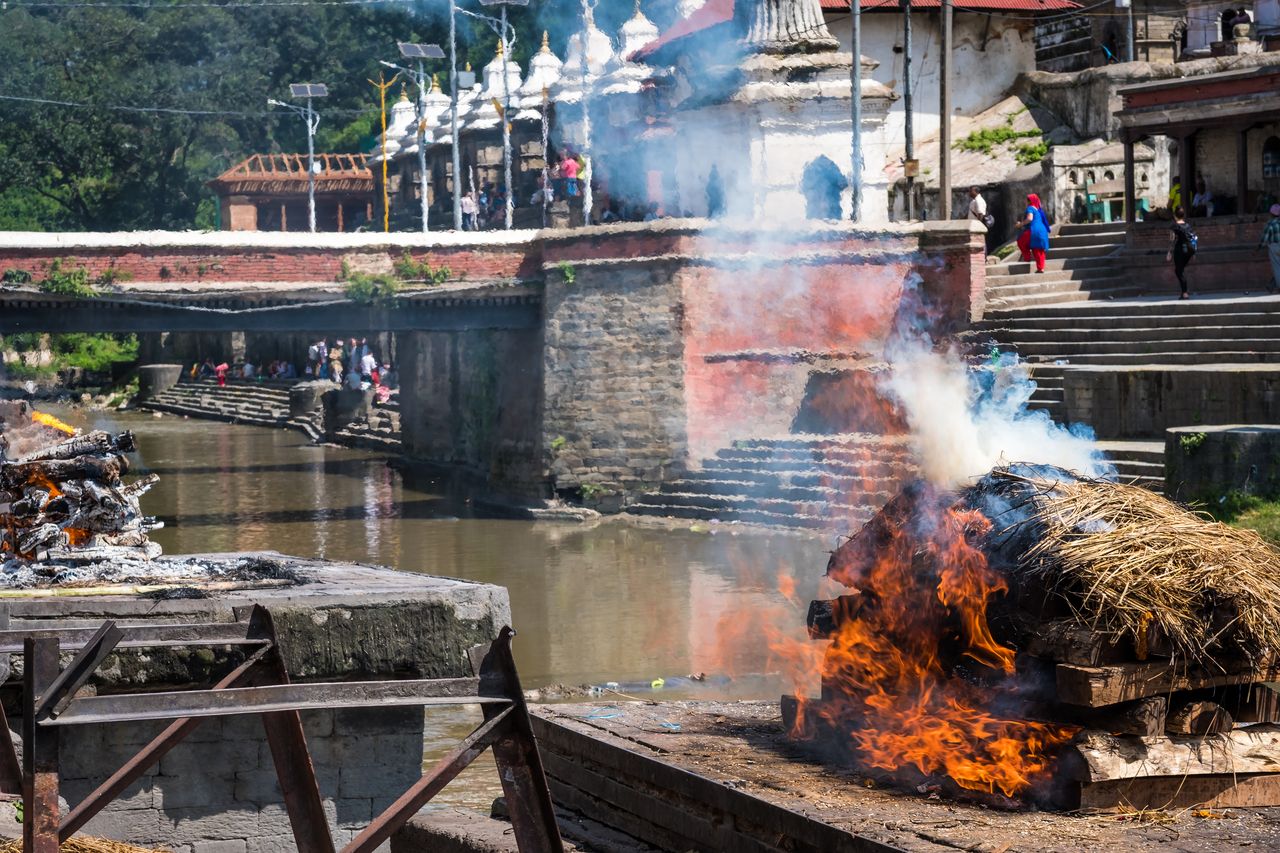
Smoke rises from a cremation platform, drifting above the Bagmati as ancient rites continue in Nepal’s most sacred funerary space. © In Green
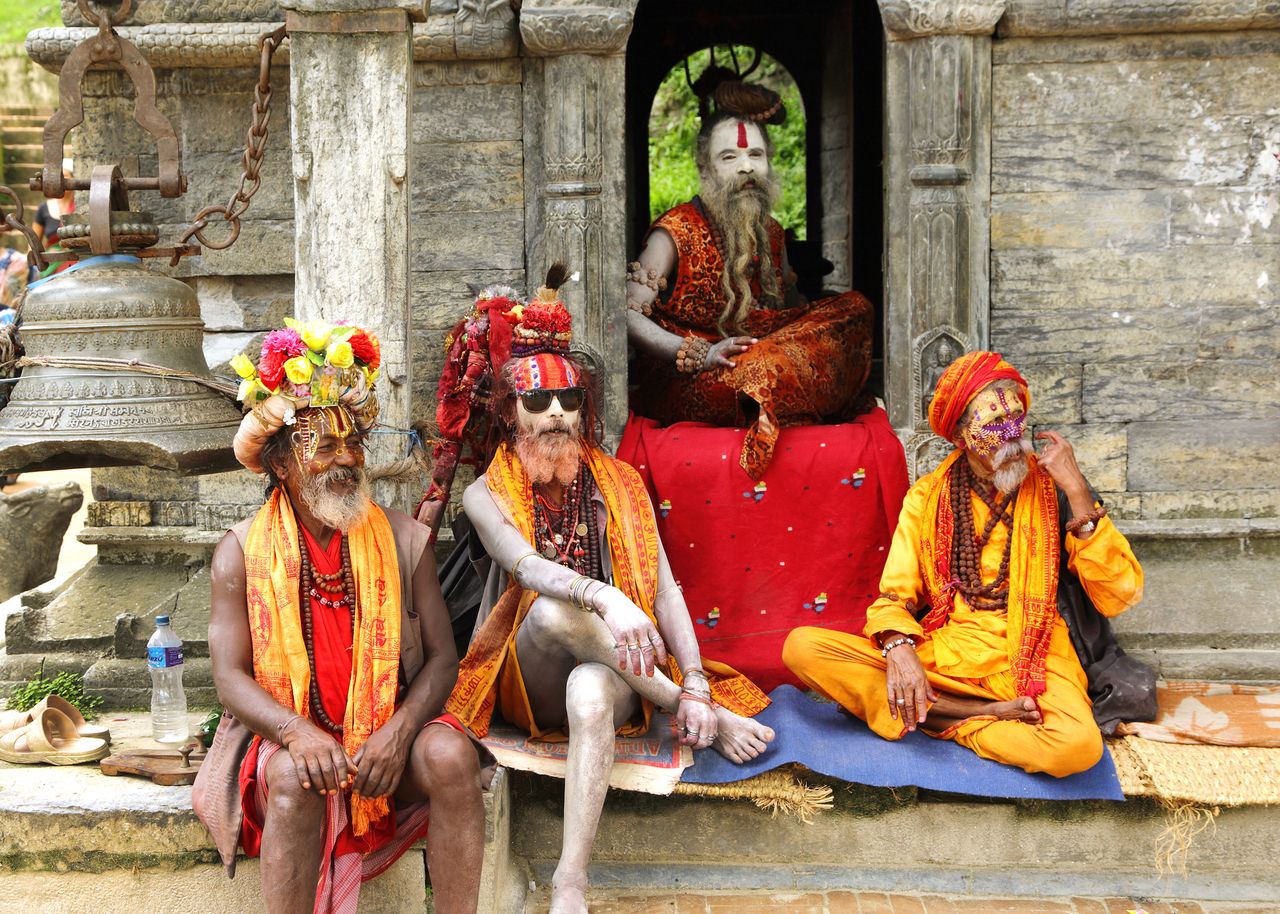
Holy men in bright robes and painted faces relax at a shrine, their presence adding vivid color and mystique to the spiritual landscape. © Dr Ajay Kumar Sin
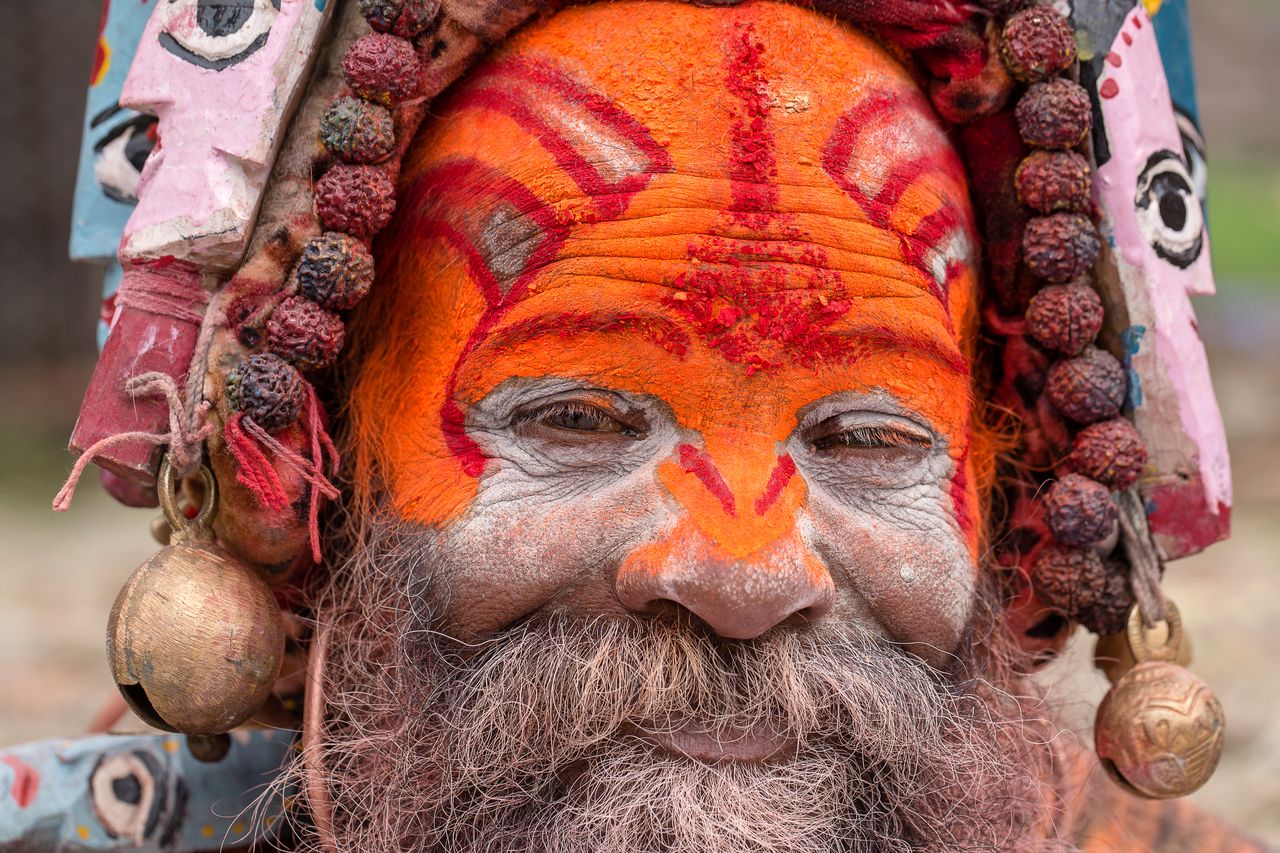
A close-up reveals the painted face of an elderly sadhu, his eyes reflecting years of meditation, renunciation, and spiritual pursuit. © OlegD
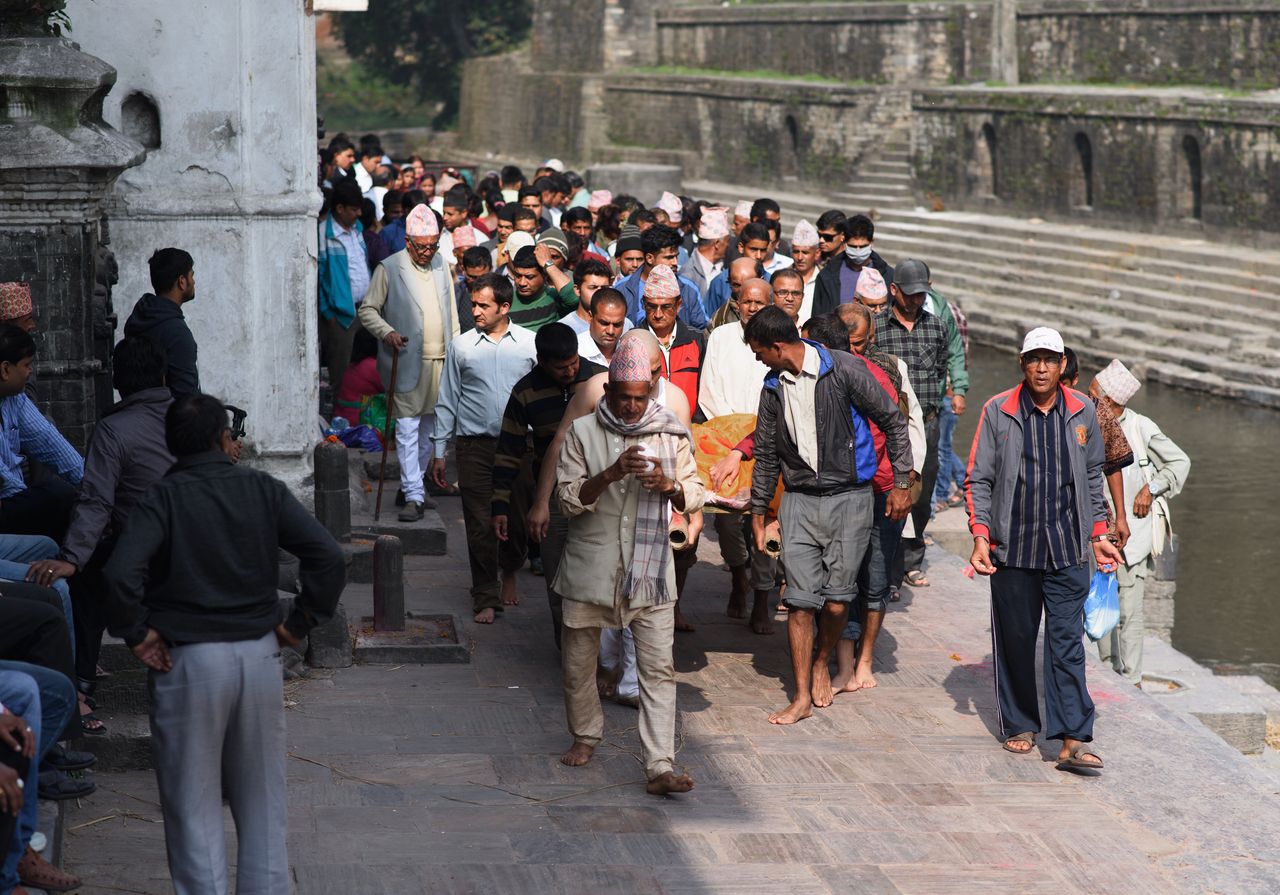
Mourners carry a loved one toward the cremation ghat, walking with bowed heads in a final circle of honor and remembrance. © Street style photo
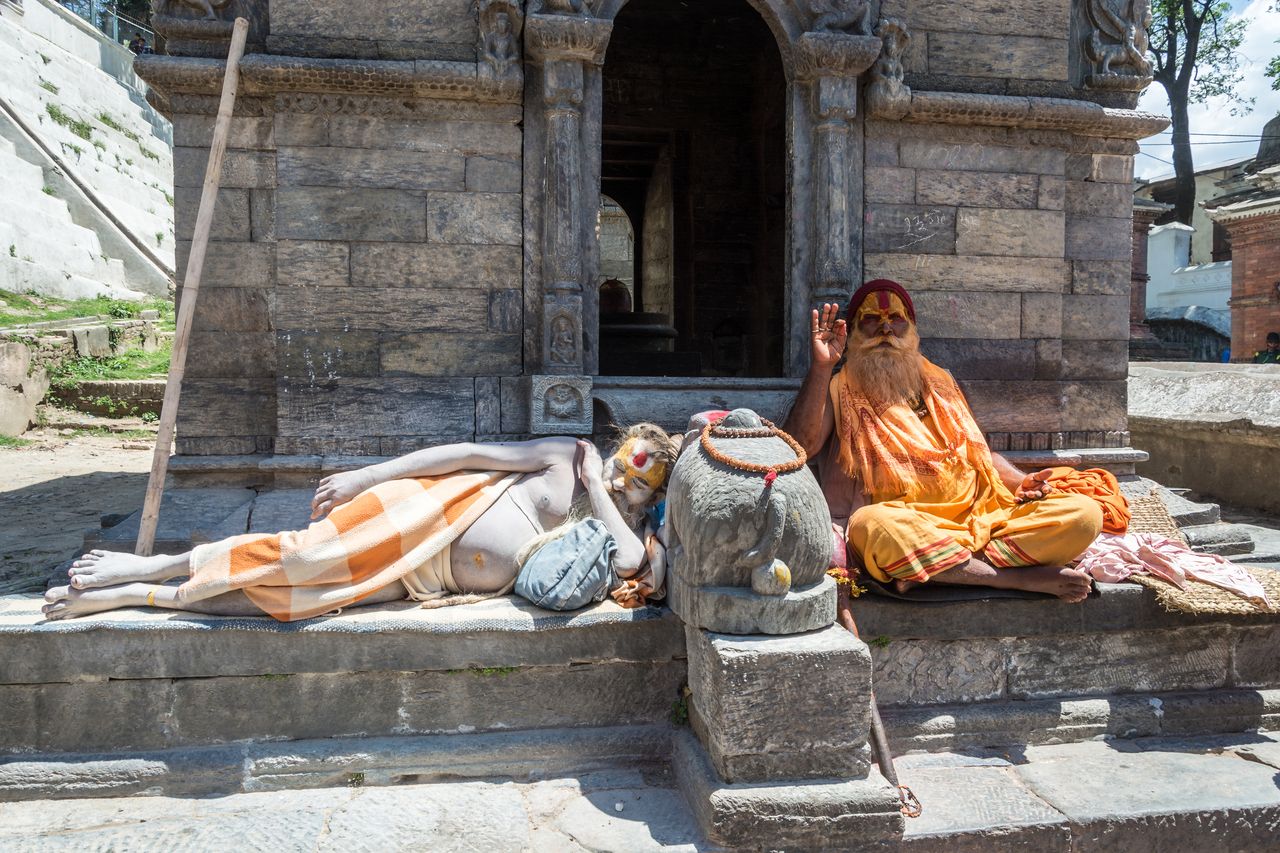
Two elderly holy men rest peacefully at a shrine, their calm expressions mirroring the stillness of the temple grounds. © V. Smirnov
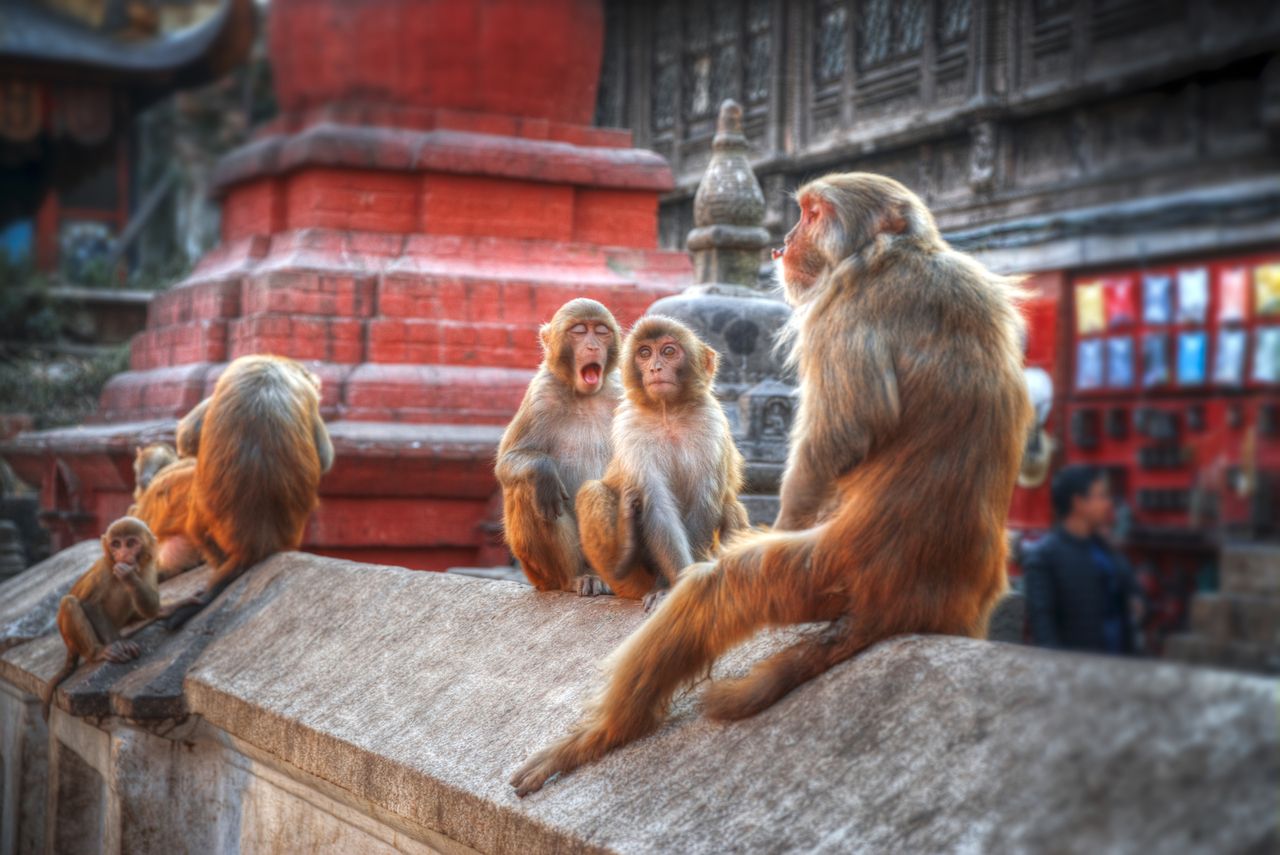
A troop of monkeys roams freely across the temple, their presence tied to centuries of devotion to Hanuman, the revered monkey deity. © Skreidzeleu
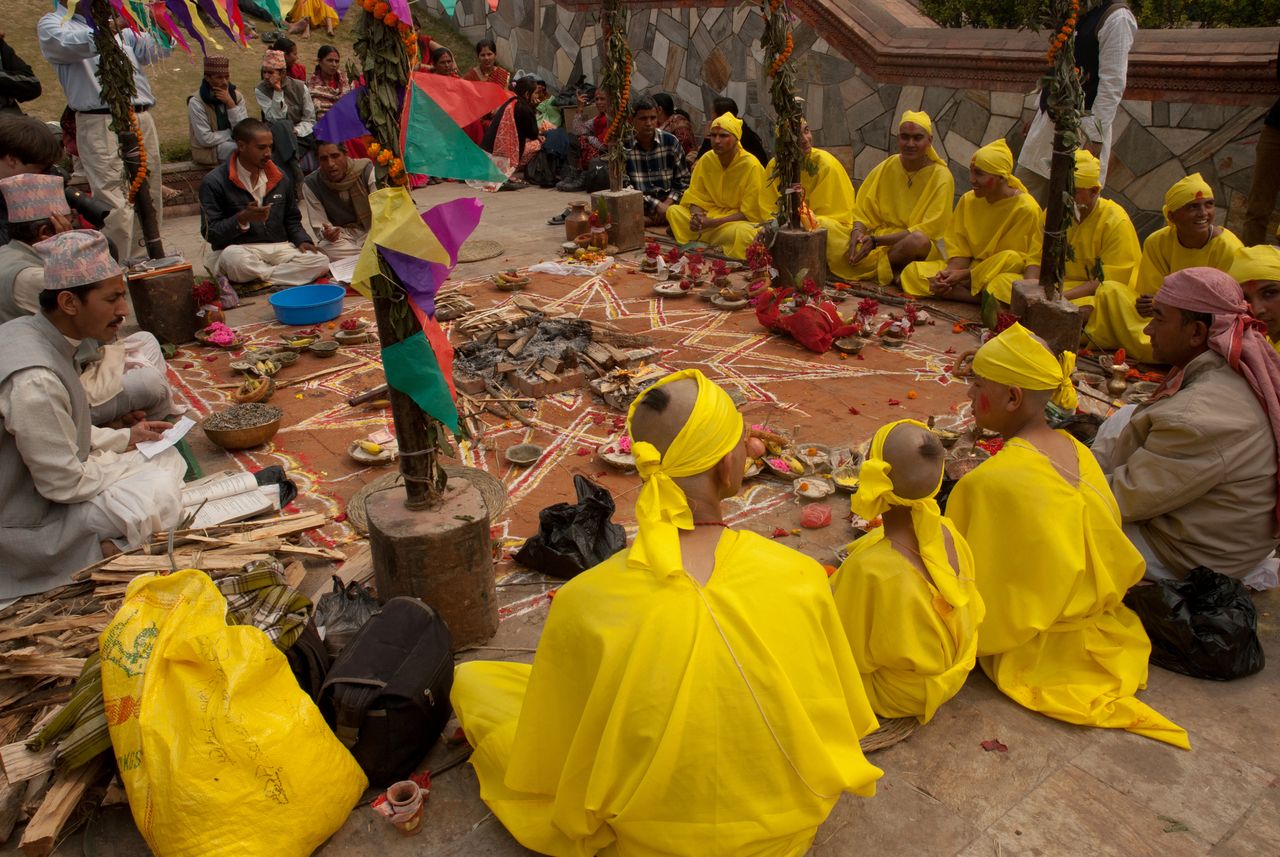
Young novice monks celebrate inside the vast temple complex, their laughter echoing through centuries-old courtyards and shrines. © topten22photo
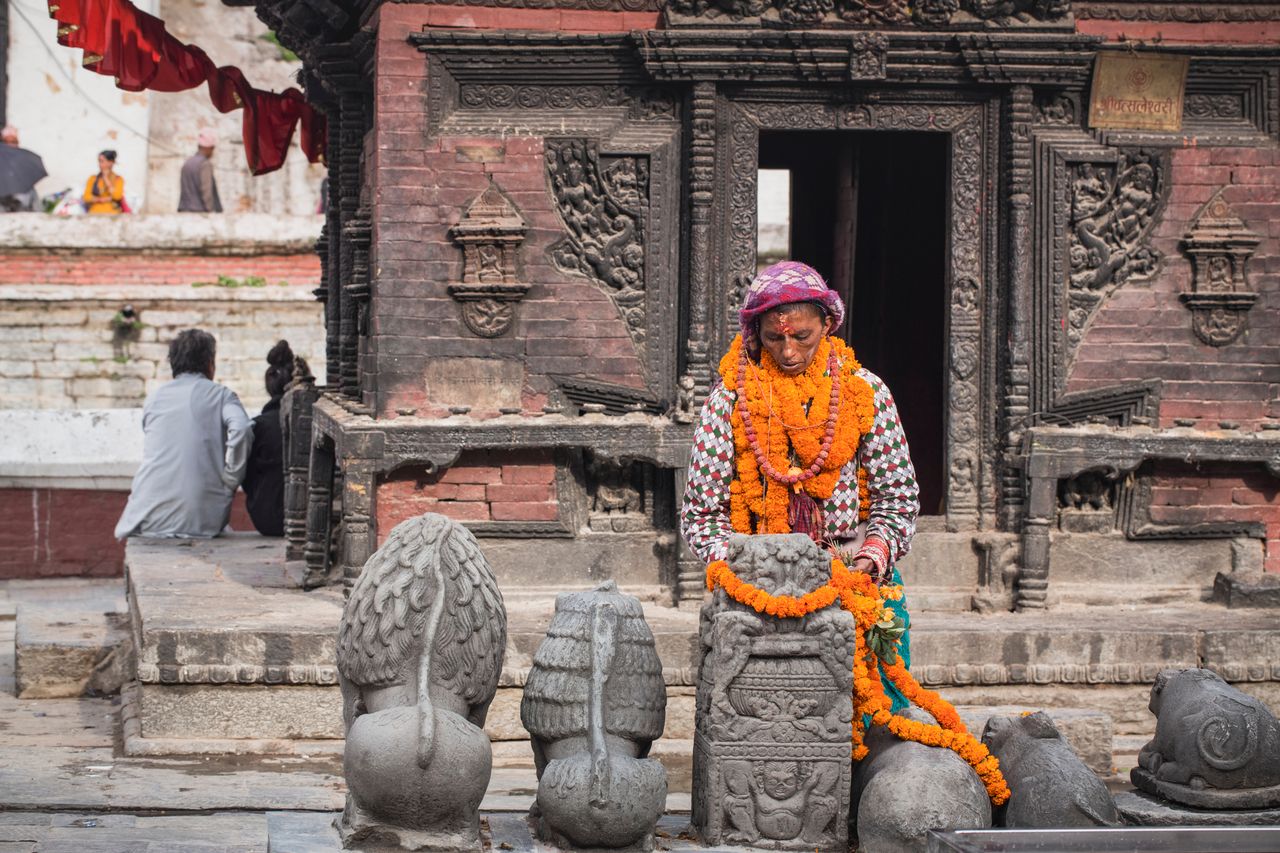
A Hindu devotee draped in garlands of saffron marigolds prays at a stone statue, her offerings filling the air with color and fragrance. © EASYWAY
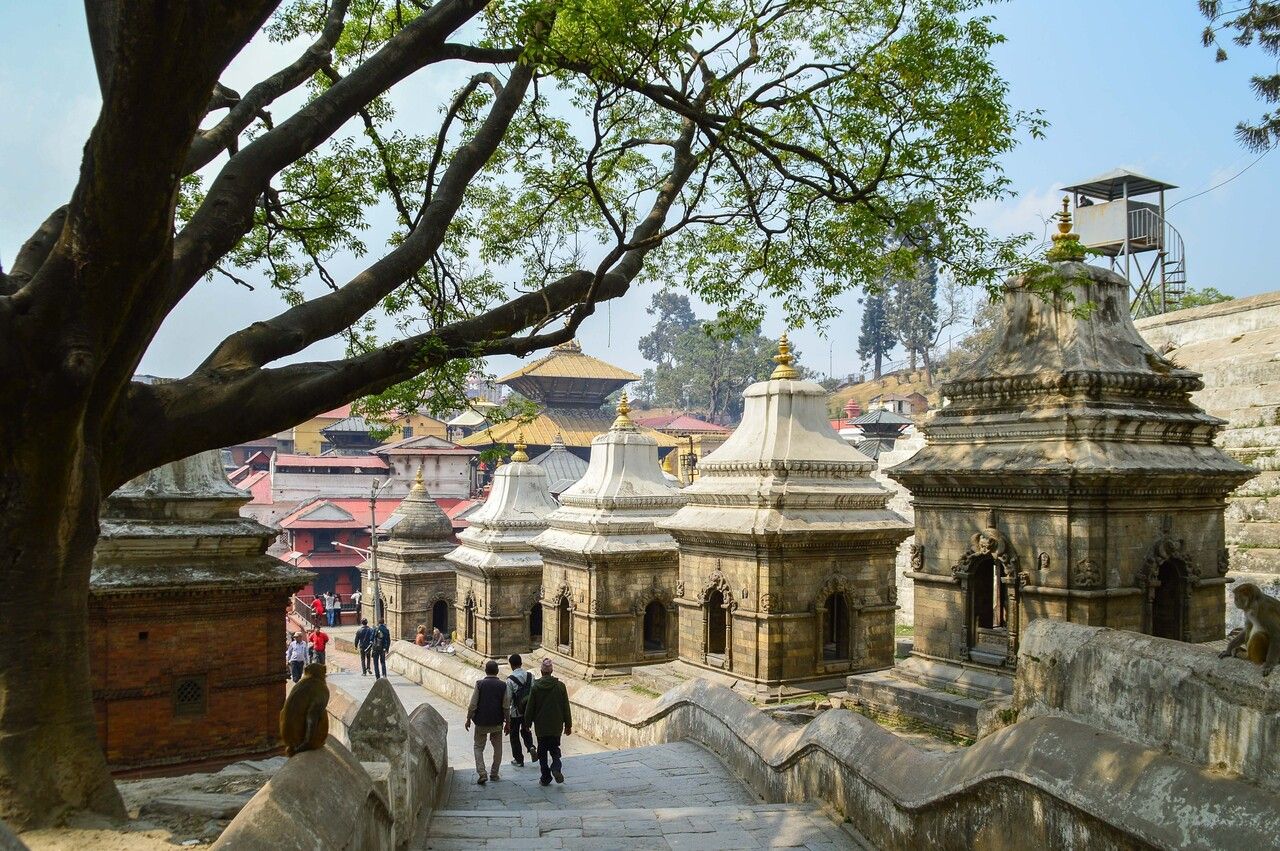
Visitors stroll past rows of shrines within the Pashupatinath grounds, each structure steeped in myth, ritual, and history. © Sophie Lenoir
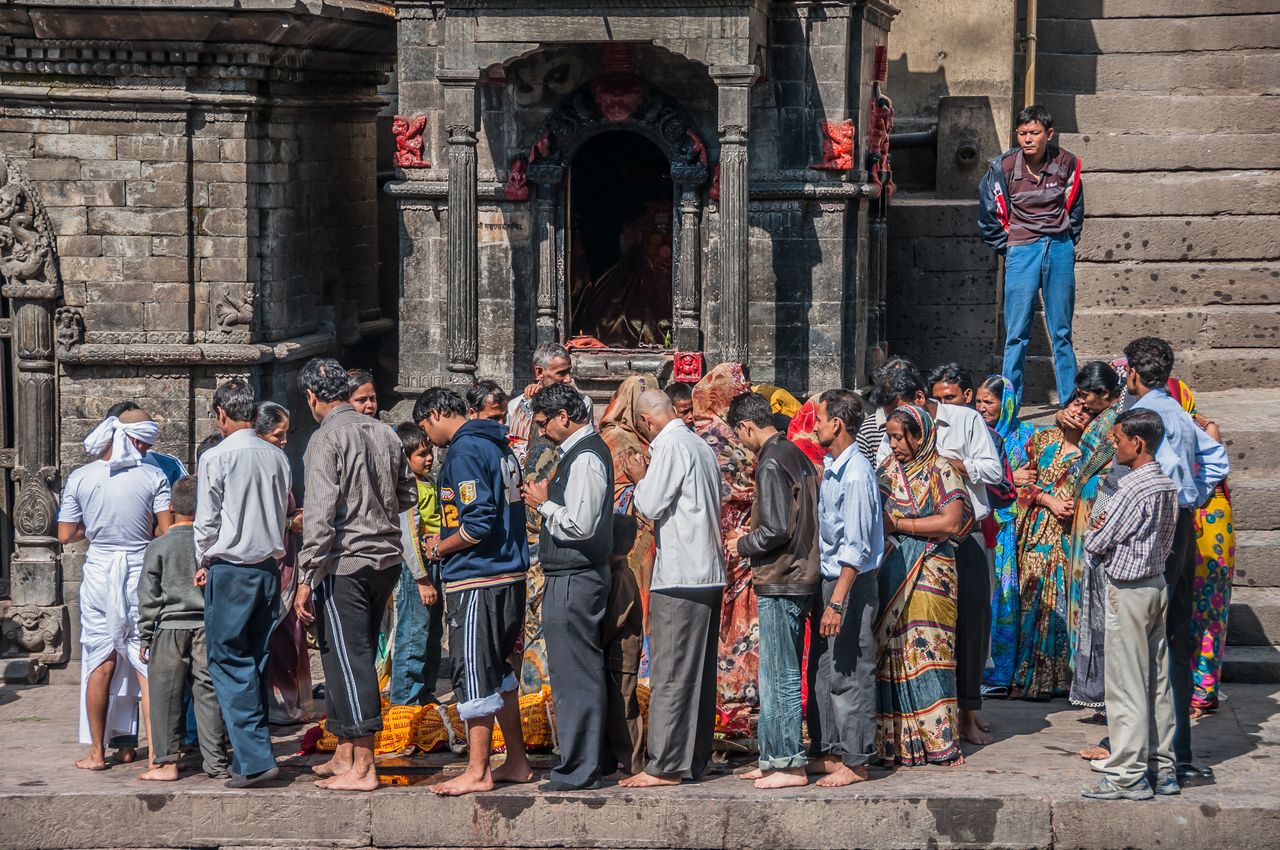
Family and friends circle the body of a departed loved one, offering their last respects before the cremation ceremony begins along the holy river. © MoLarjung
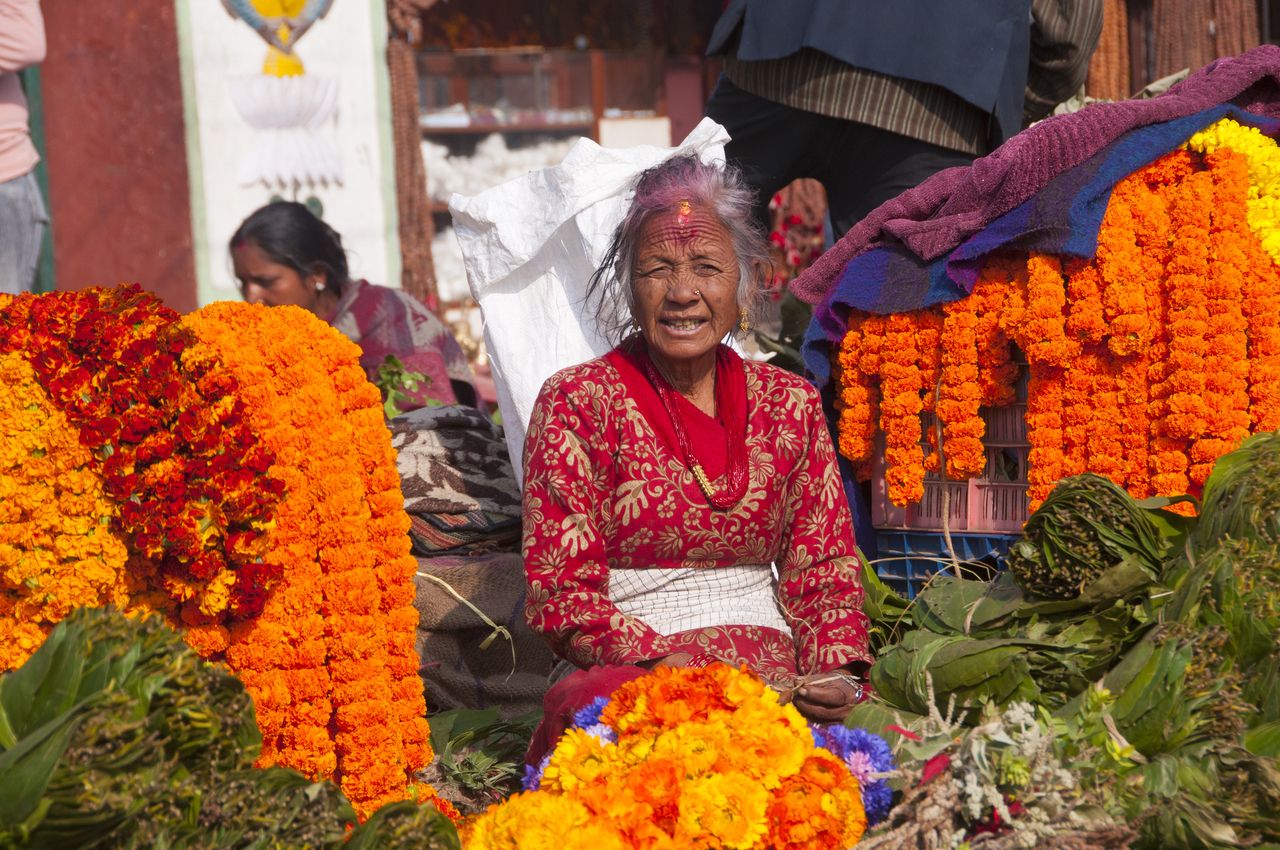
An elderly flower vendor sits among towers of marigold garlands, patiently waiting to supply offerings for prayers and ceremonies. © CRS PHOTO
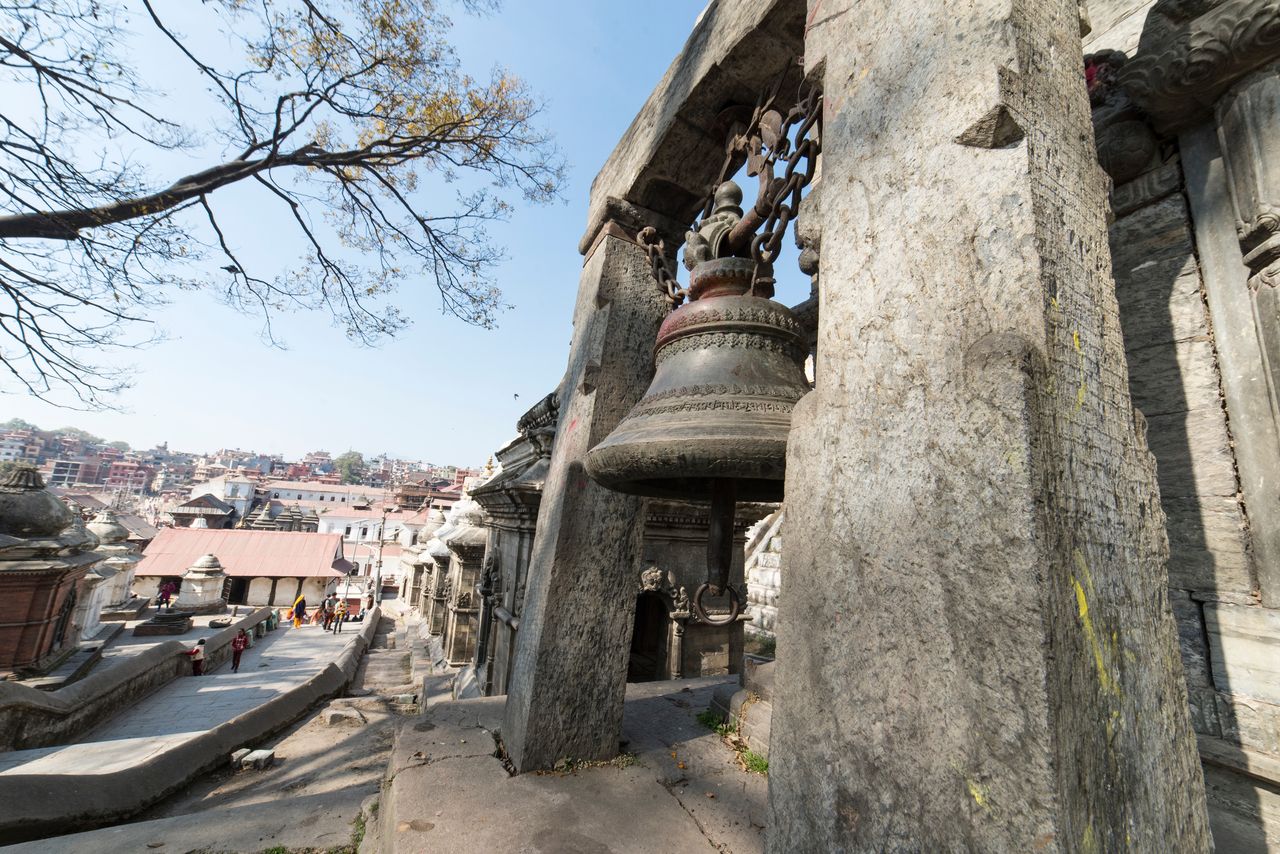
Shrines line the temple pathways, hosting countless festivals year-round—from Maha Shivaratri’s all-night vigils to Teej’s vibrant celebrations. © Igor Chus



![Golden Triangle Tour with Goa [Culture + Beach Vacation] (12 days)](https://www.vacationindia.com/wp-content/uploads/2022/06/golden-triangle-tour-with-beach-vacation-270x160.jpg "Golden Triangle Tour with Goa [Culture + Beach Vacation] (12 days)")